Politics & Government
Malloy Pitches ‘Loophole’ To Federal Tax Law
Gov. Dannel Malloy's plan could save Connecticut residents thousands on their federal tax returns.


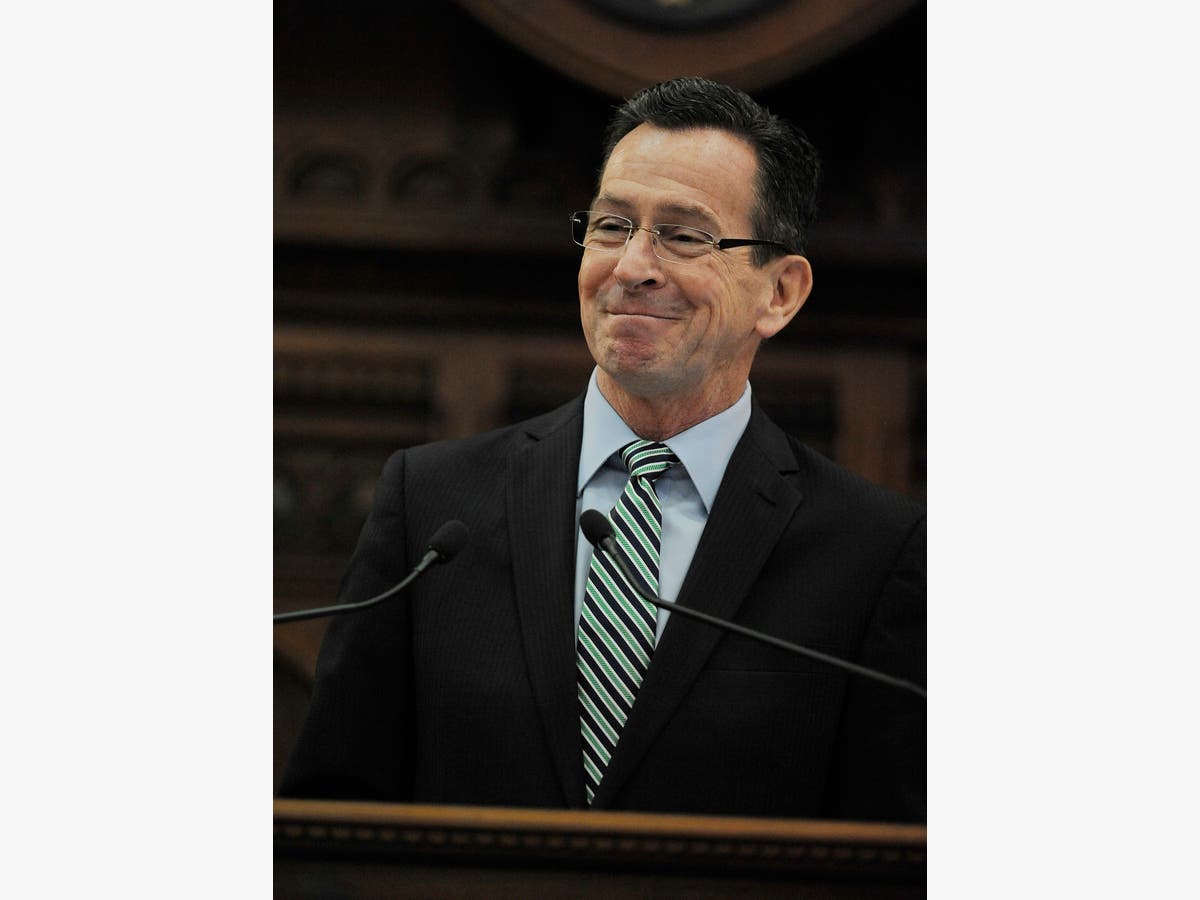
Gov. Dannel Malloy is proposing a loophole that would effectively allow property taxes to not count toward the federal $10,000 claim limit for state and local taxes.
Malloy proposed allowing municipalities to create a charitable organization that would support town services. In exchange those who donate would get a local property tax credit.
“Based on our review of the language in that statute… we believe the steps we are taking are permitted…” Malloy said.
The charitable deduction has been mentioned during the past few weeks, but Connecticut is the first state to formally propose it, Malloy said.
It is unclear how Congress would receive such a change and if federal lawmakers would adjust their language to close the loophole. Connecticut has also joined New York and New Jersey in a plan to sue the federal government over the deduction cap. The cap generally hurts tax filers in high-income high-tax states like Connecticut, New Jersey, New York and California.
Starting this year (filing for next year) taxpayers will only be able to claim up to a $10,000 deduction on federal tax returns for things including state income and local property taxes. The change in federal tax law has about a $10 billion impact on Connecticut tax filers.
Malloy’s view on legalizing and taxing recreational marijuana may be changing. His administration outlined some possible alternatives legislators might consider for the budget process, one of which was about recreational marijuana. In the past he has actively opposed legalization.
“While these alternatives are NOT part of the Governor’s proposed revisions, it is instructive, and perhaps helpful to the legislature to identify some options they might also consider in achieving a balanced budget,” the document said.
Malloy also proposed eliminating the $200 maximum property tax credit, which currently can only be claimed by filers 65 or older or those who can claim at least one dependent.
Once again Malloy suggested eliminating most grants, including education for the state’s wealthiest communities. About 33 towns would lose most municipal aid under the proposal.
The governor also reiterated his proposal to implement electronic tolling and to increase the state gas tax.
Among other proposed changes:
- A small increase in real estate conveyance taxes.
- $100 million to help rehabilitate XL Center in Hartford.
- Increase cigarette tax to $4.60 per pack.
- Expand bottle tax to cover wine and liquor at 25 cents.
- Repeal exemption for nonprescription drug sales.
Image via Jessica Hill/AP