Politics & Government
Saving Ridgefield: Conservation Commission Publishes New Report
Ridgefield and its residents "must embrace some key actions if the current environment is to be preserved," according to a new report.


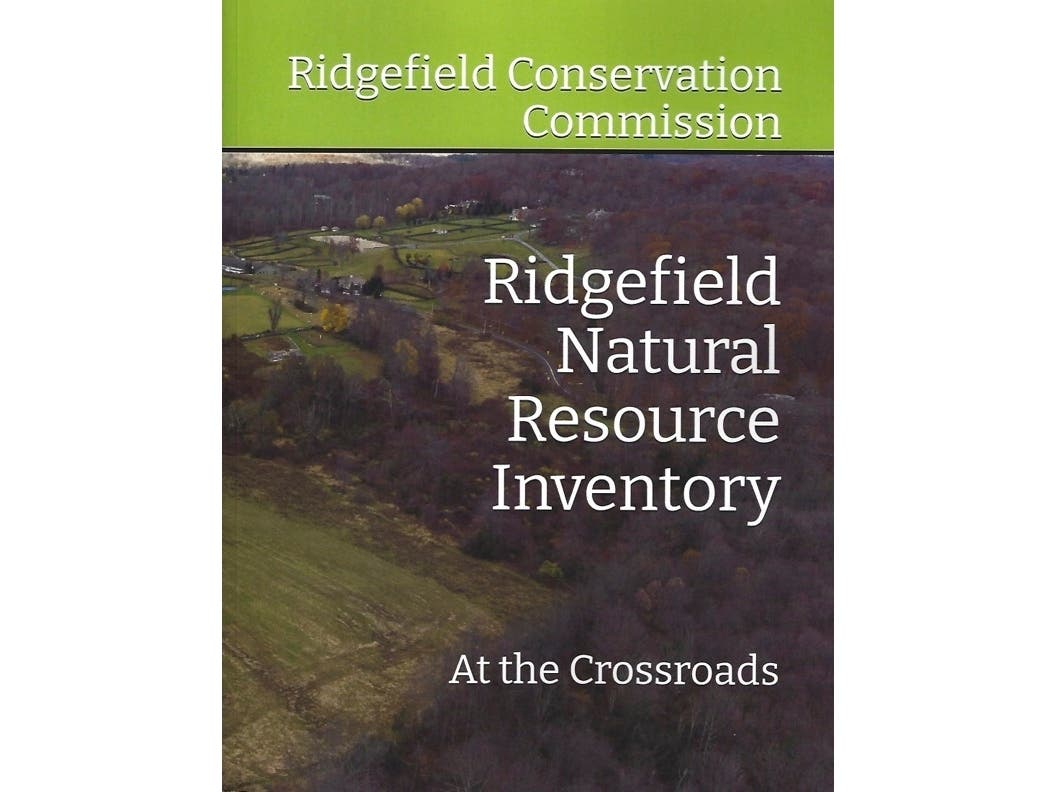
**News Release Submitted by The Ridgefield Conservation Commission**
Dec. 11, 2023
A recently published report by the Ridgefield Conservation Commission (RCC) recommends that the Town and its residents must embrace some key actions if the current environment is to be preserved. These actions include the acquisition of large undeveloped parcels, enhanced maintenance and monitoring of watersheds, and the protection of steep slopes and wildlife pathways existing on private lands.
Find out what's happening in Ridgefieldfor free with the latest updates from Patch.
The 118-page Ridgefield Natural Resource Inventory: At the Crossroads, details the changes in Ridgefield’s ecosystems over the last decade since the last report was published. Though certain species that were on the margin of survival in 2011 are no longer found in Ridgefield and there has been a slight decrease in forested and other pristine areas, many core assets are similar to those observed over a decade ago. However, the destructive expansion of invasive species and decay of habitat corridors represent major threats to the Town’s ecosystem health.
“This report represents a warning to the Town that it can no longer take the fantastic environment we have in Ridgefield for granted,” said Jim Coyle, Chairman of the RCC and one of the co-authors of the report. “It is time that the Town and its residents become more involved and invested in protecting and maintaining the local resources.”
Find out what's happening in Ridgefieldfor free with the latest updates from Patch.
The report makes 10 recommendations:
- Implement a steep-slope regulation.
- Reduce use of pesticides/herbicides/fertilizers.
- Increase and monitor septic-system maintenance.
- Monitor streams, rivers, and lakes.
- Protect vernal pools.
- Acquire or protect the largest, contiguous, undeveloped plots of land.
- Study how to best protect key habitat corridors.
- Hire a forest manager and full-time Tree Warden.
- Educate and incent residents to remove invasive plants, replacing them with native ones.
- Educate residents on wildlife interactions.
According to Coyle, success of each of these recommendations will require a combination of Town support (and monies), resident participation, and leadership by the RCC and other organizations. “Unless all three of these groups work together and in unison, it is unlikely that the quality of the current environment will be maintained in the years to come,” said Coyle.
Currently there are over 5,600 acres of open space and parks in Ridgefield, of which 2,700 acres are managed by the RCC with a yearly budget of approximately $50,000. Physical copies of the report may be purchased at Ridgefield’s Books on the Common; electronic copies may be read and downloaded from the RCC website. The RCC will be reviewing its findings for residents at the Ridgefield Library on January 11, 2024.
Get more local news delivered straight to your inbox. Sign up for free Patch newsletters and alerts.