Neighbor News
A Stamford Writer's First Book Asks What It Costs to Be Human in a Performative World
Ethics and the Quiet Erosion of Judgment in a Performative World

I've lived in Stamford for years, and I've spent about thirty of them working in data and direct marketing — most of that inside large organizations, watching how they operate from the inside.
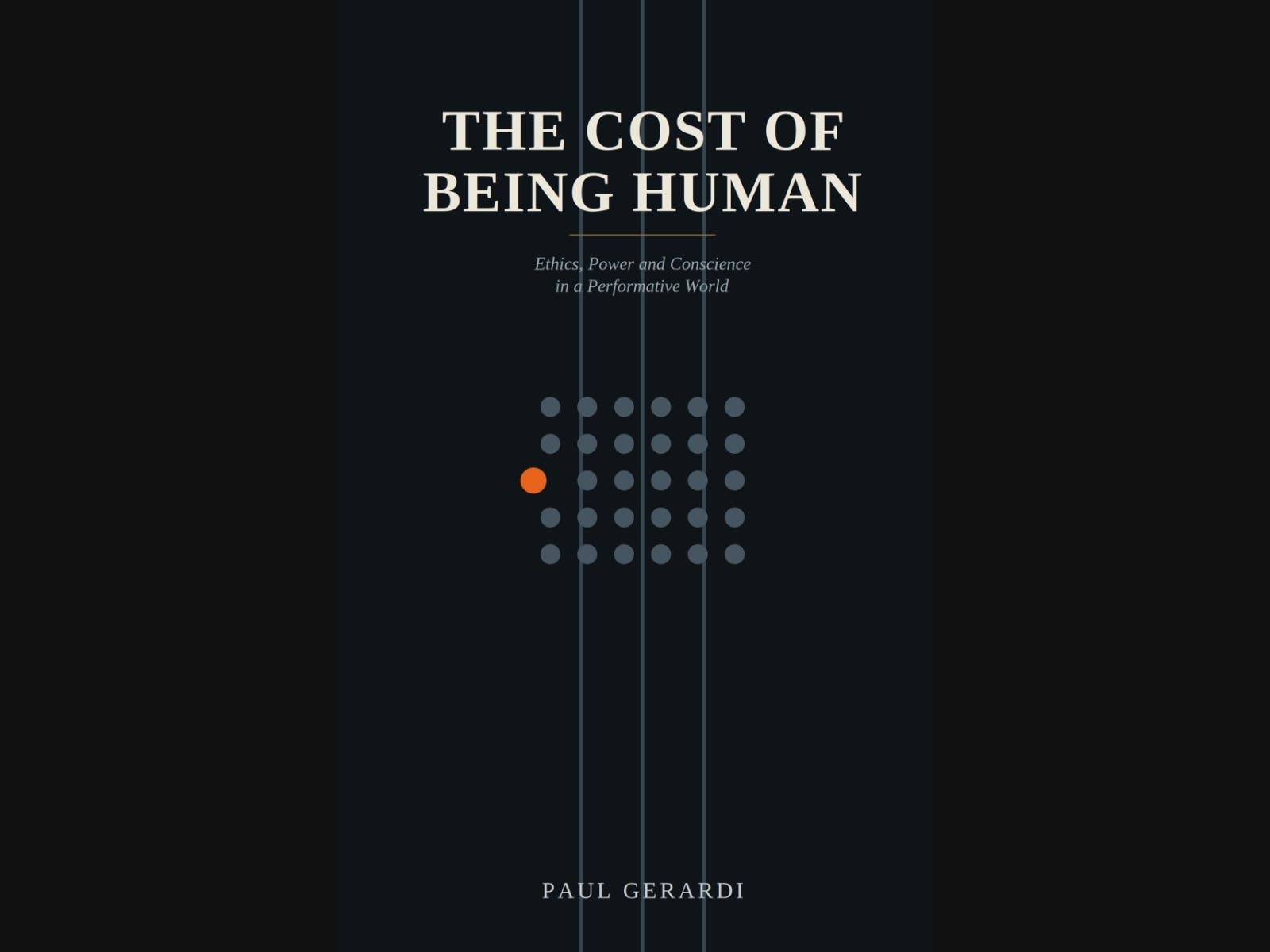
This month I published my first book. It's called The Cost of Being Human: Ethics, Power and Conscience in a Performative World, and it's an argument about what happens to decent people inside systems that reward performance over substance.
I didn't set out to write a book. I started writing to make sense of something I'd been watching for years: the value of your work measured against how visible you were, rather than whether it was any good. You could produce at a high level and still not be seen. It started as something I noticed at work. It turned out to describe most of the places people spend their lives.
Find out what's happening in Stamfordfor free with the latest updates from Patch.
I wrote it for the quiet person on the team — the one everybody knows is the reason things work, who keeps getting passed over. The loudest voice isn't always the most competent, but it gets the most attention. I learned that early. I was the kid at Fairfield Prep who stuttered and stayed quiet rather than risk it, and I spent the next thirty years watching organizations confuse volume with competence.
The book is a single argument built across ten chapters, drawing on philosophy, history, film, and music as much as on anything I saw at work. Its central claim is simple: most people don't become unethical. They adapt. The compromises are small enough that none of them feels like a decision, until one day the person you were is harder to locate.
Find out what's happening in Stamfordfor free with the latest updates from Patch.
It's published under my own imprint, PaulGerardi.co. The book is available on Amazon and to order from any bookstore.
I also write weekly essays at paulgerardi.co. If something here strikes a chord, I'd like to hear from you: paul@paulgerardi.co.