Politics & Government
Advocates on the Attack Against Lyme Disease
Senators from CT, RI and NY introduce the Lyme and Tick-Borne Disease Prevention, Education, and Research Act into legistlation.



Recently, state representatives from Connecticut, Rhode Island and New York joined the Connecticut Agricultural Experiment Station to introduce a bill that would combat the growing epidemic of Lyme disease in New England and across the country.
Senators Richard Blumenthal (D-CT), Jack Reed (D-RI), Kirsten Gillibrand (D-NY) and Sheldon Whitehouse (D-RI) are the original cosponsors of the legislation. Former Connecticut Senator Chris Dodd, the original author of the legislation, championed the issue during his tenure in the Senate.
Blumenthal was joined by Dr. Louis A. Magnarelli, Director of the Connecticut Agricultural Experiment Station, and Diane Blanchard and Deb Siciliano, co-presidents of Time for Lyme, a Stamford-based advocacy organization. According to the Centers for Disease Control, reported Lyme disease cases in the U.S. have more than doubled since the CDC began recording cases in 1991, creating the need for an aggressive response on the federal level. Connecticut currently has one of the highest rates of infection in the country.
Find out what's happening in The Haddams-Killingworthfor free with the latest updates from Patch.
"Lyme is a pervasive and pernicious disease that is all too often undiagnosed and undetected – and untreated – causing lasting, devastating damage,” said Blumenthal. “This measure would help develop better tools for diagnosing and reporting Lyme, as well as increase awareness and education in the medical community.”
Currently, there are more than 38,000 cases of Lyme Disease reported annually in the United States. In Connecticut, 78 people out of every 100,000 now get Lyme Disease. And, in New England, more than 9,000 cases are reported each year.
Find out what's happening in The Haddams-Killingworthfor free with the latest updates from Patch.
“As summer gets into full swing and more people enjoy the great outdoors, we must take necessary precautions to stay safe from Lyme disease. This legislation will help raise awareness about how to prevent Lyme disease and ensure doctors are better equipped to diagnose and treat those who become infected,” said Reed.
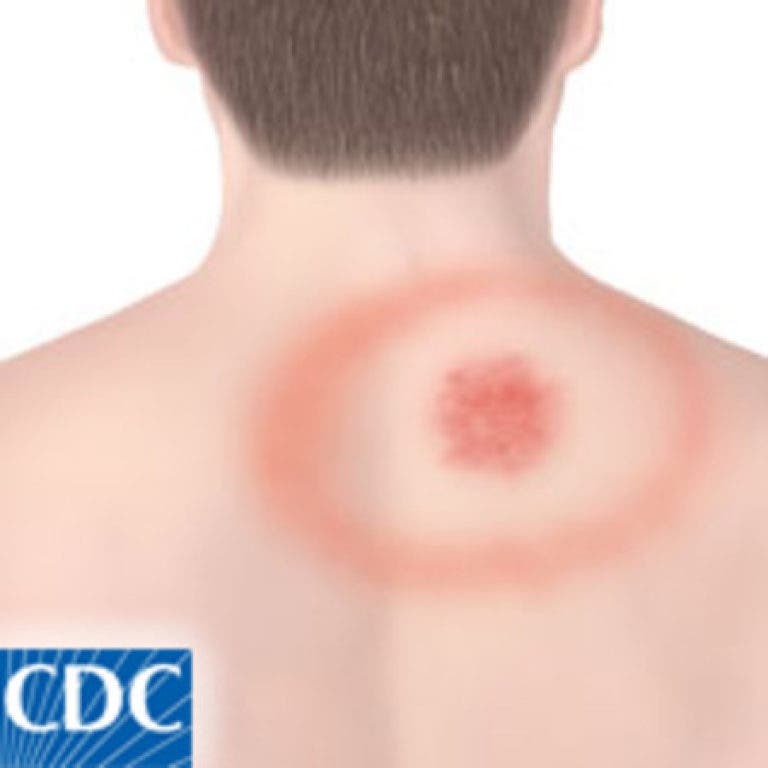
Caused by the bacterium Borrelia burgdorferi, Lyme disease is transmitted to humans by the bite of infected black-legged ticks. Early signs of infection can commonly be mistaken for other illnesses, and may include a rash and flu-like symptoms such as fever, muscle aches, headaches, and fatigue. If diagnosed early, Lyme disease can be treated with antibiotics. However, the severity of untreated Lyme disease can have devastating effects: if treatment is not administered in a timely fashion, victims can develop severe heart, neurological, eye, and joint problems.
The Lyme and Tick-Borne Disease Prevention, Education, and Research Act would:
Establish a Tick-Borne Disease Advisory Committee: The legislation would establish the Advisory Committee through the Secretary of Health and Human Services in order to streamline coordination between other federal agencies and private organizations addressing tick-borne illnesses. The Advisory Committee would be comprised of “stakeholder constituencies,” which would include doctors and researchers.
Coordinate Increased Research and Development Around Lyme Disease: The legislation directs the Secretary of HHS, in coordination with the Advisory Committee, to develop more accurate and time-sensitive diagnostic tools to strengthen surveillance and reporting of Lyme and other tick-borne illnesses, which would help determine prevalence of various illnesses.
Increase Education: The legislation would increase public education through the Community Based Education Programs at the Centers for Disease Control and create a physician-education program that includes the full spectrum of scientific research related to Lyme and other tick-borne disease.
Report on Lyme Disease: The legislation requires the Secretary of HHS to publish a report at the end of each advisory term evaluating published guidelines and current research available on Lyme disease, in order to best educate health professionals on the latest research and diversity of treatment options. It further requires the Secretary of HHS to submit to Congress a report on the activities carried out under this act including a copy of the most recent annual report issued by the Tick-Borne Diseases Advisory Committee.
Get more local news delivered straight to your inbox. Sign up for free Patch newsletters and alerts.