Health & Fitness
Laying the Right Foundation
How to choose the right foundation format, how to apply, and foundation application tools
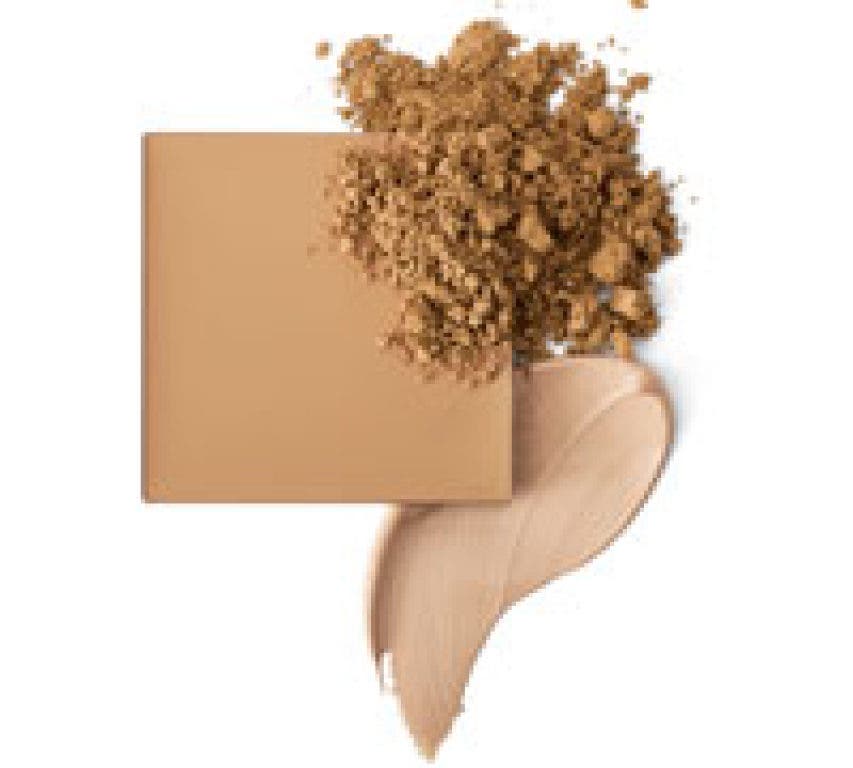
Remember when foundation was one size fits all? It was a bottle of creamy liquid in a few shades. The limited choices were frustrating.
Well, those days are long gone, thank goodness. Today, not only are there a multitude of shades to match varying skin tones, but an increasing choice in formats. Complicated? No, you just have to know the basics of foundation.
The goal is to creat a smooth, flawless base for your makeup. You want to cover any imperfections without masking your beauty. First, you need to decide what type of coverage you want. This is how you'll choose your format.
Find out what's happening in The Haddams-Killingworthfor free with the latest updates from Patch.
Sheer coverage is for you if you're fortunate enough to have a blemish free complexion. You might choose a tinted moisturizer or a mineral powder foundation, both of which give you the lightest coverage.
Medium coverage is for those that have slight discoloration from acne or an uneven complexion. An oil-free liquid foundation is the best choice.
Find out what's happening in The Haddams-Killingworthfor free with the latest updates from Patch.
Full coverage is for those who have lingering acne scars, hyper pigmentation, or an uneven skin tone. In this case you should opt for a cream-to-powder or a liquid foundation.
When choosing a shade of foundation, you want to make sure that it matches and mimics your skin tone. Try three shades that are very close to your natural tone on your cheek and jaw line to see which one is the closest match. Make sure that you test these in natural light for best results. Many women need a different shade for summer and winter as their skin tone changes, so check your shade regularly throughout the year.
Once you've chosen the format and the shade, you'll need to master the technique. Whether you choose sheet, medium or full coverage, you want your foundation to look as natural as possible. You might consider applying a foundation primer first. Foundation primer keeps your foundation on longer and helps it to appear more flawless and natural.
There are three options for application:
Sponge. Use a sponge to blen your makeup, blotting and dabbing as you go. You want to use a new sponge for your daily application so as not to contaminate your foundation or spread bacterial to your skin.
Foundation Brush. A foundation brush is a great way to apply and blend your foundation regardless of whether you choose a liquid or cream. A good foundation brush will be tapered at the tip so that you can apply the foundation to the small areas around your eyes.
Fingertips. It's a tried and true method. Always wash your ahnds before applying foundation to avoid spreadying oil, and be careful to spend a little more time blending to make sure there are no inconsistencies in your application.
The author, Kelly Robbins is a and can be reached at kelly.robbins@gmail.com