Arts & Entertainment
Dahlias: Those Big, Bodacious Bloomers
From Tubers or Seed, You can Coax Along Some in a Large Range of Colors in Winter or Spring
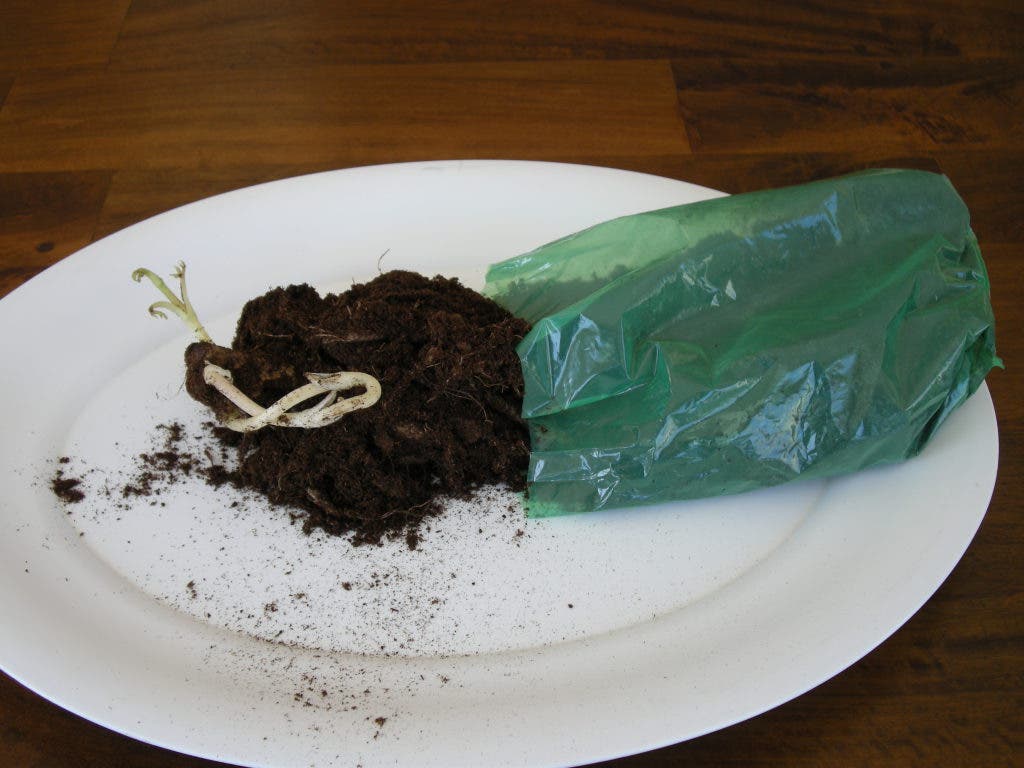


I found Dahlia tubers sending up shoots in a plastic grocery bag in my garage late last fall. I had started the Dahlias from seed two years ago and enjoyed lovely little annual blooms all summer and fall. I dug them up just before a killing frost, cut off the stems and saved the fleshy roots for the next summer.
Not surprisingly, I forgot about them and never replanted them last summer. I discovered my little gems before Thanksgiving while searching the shelves for something else. The plump tubers not only survived a plastic home sheltered by the garage, but they were growing in an attempt to escape their confines.
It was too late to put them in the ground. They won’t survive the freezes of New England, so I buried them in a pot, set them in my kitchen and began the experiment. Would I get big, beautiful blossoms inside in the middle of winter? It was worth a shot.
Find out what's happening in The Haddams-Killingworthfor free with the latest updates from Patch.
The Dahlias grew fairly quickly. They began their life as seeds in a packet that I bought from one of our local nurseries during a particularly cold February. I planted them in a little soil on a sunny window ledge in my house. It took just a couple days for the seeds to germinate and grow into energetic seedlings. I nurtured these babies all spring and placed the diminutive plants in the garden after Memorial Day. They turned into pretty, six-inch plants that bloomed all summer.
What I didn’t know was that this stage was just the Dahlia’s childhood. What I thought would be cute little plants again grew quite large in my indoor pot. I learned that the result when grown directly from seed was much different than re-planting the tubers later on. Two- and-half-foot plants emerged this time around — teenagers, I guess. I had to tie them up to control them. The flowers are pretty, but don’t quite carry full-blown adult blooms. Perhaps those will emerge this summer when I plant them outside.
Find out what's happening in The Haddams-Killingworthfor free with the latest updates from Patch.
Dahlias come in a multitude of varieties — tall, short, green-leaved, purple-leaved, striped-flowered, spiky-bloomed and round-blossomed. Every color normal to the natural plant world blooms on the end of a Dahlia stem (anything but true blue).
Dinner Plate Dahlias flower as big as a child’s head, which is why advertisers always show a child’s head next to the bloom. I’m always slightly disappointed by the size of these. I must have large kids and oversized dinner plates. But I shouldn’t be dissatisfied. These plants really do generate a colossal blossom and often require staking. The weight of the full-bodied blooms can bend the plants right down to the ground.
You can buy Dahlias in three ways: seed, tuber or plant. All are fairly easy to grow. Give them full sun, good soil and a moderate amount of water. The tuber multiply each year, looking like bunches of elongated grapes or a chubby octopus. You can keep them all together for a larger plant every year, or you can break the groups apart into many smaller plants that will also continue to reproduce. With patience and tenacity, gardeners can create a large Dahlia display over time from just a few plants.
People spend years perfecting this plant, competing to produce the best bloom. Check out the contestants at your local agricultural fair. You don’t have to worry about that, however. They lend themselves to leisure gardening, too.
Inspect tubers before planting. Make sure the roots are solid and firm, not wrinkled and soft — those are useless. Just sink the good ones about two inches down into a large, floor-model pot. Aim the pointy parts of the tuber faces up and the more rounded, sometimes fuzzy end faces down.
Cover the tubers with about an inch of soil. If there is a visible stem or growth, make sure that stays above ground. Then place in a sunny spot, water, wait and enjoy. If the house is dry from forced-air heat, mist the leaves every few days.
Dahlias first enticed my husband and me when we came upon the Dahlia Garden in San Francisco’s Golden Gate Park. The mass of multi-colored pom-pom heads tilting up toward the sun (and sometimes fog) entranced us. We began growing them as soon as we figured out how. In California, Dahlias can stay out all year long. New England residents need to dig up the tubers from the ground and store them in a cool dry place over the winter. Planting in pots is easier since cold-weather gardeners can just bring them inside.
Even though it is too late to get blooms this winter, planting Dahlias indoors establishes a jump start for the plants. Big, bodacious blooms will emerge early in the summer rather than stalling until fall like tubers that are put out after the frost is over. Of course you can just go to the nursery and pay more for a full-sized, already blooming specimen this spring and plop in it a pot or the ground. Whatever works for your life. Any output — either physical labor or cash — is worth Dahlia’s reward.
Alice Blair, "The Cheeky Gardener," provides insight and suggestions to help readers maintain a green thumb. Or, at least, that's the idea. Visit her blog at cheekygardener.blogspot.com.