Politics & Government
Gravel Pit Battle Grinds On
More than seven years after a company bought a gravel pit on Cedar Lake Road the owners and the town continue to fight over how, and whether, the business can operate.


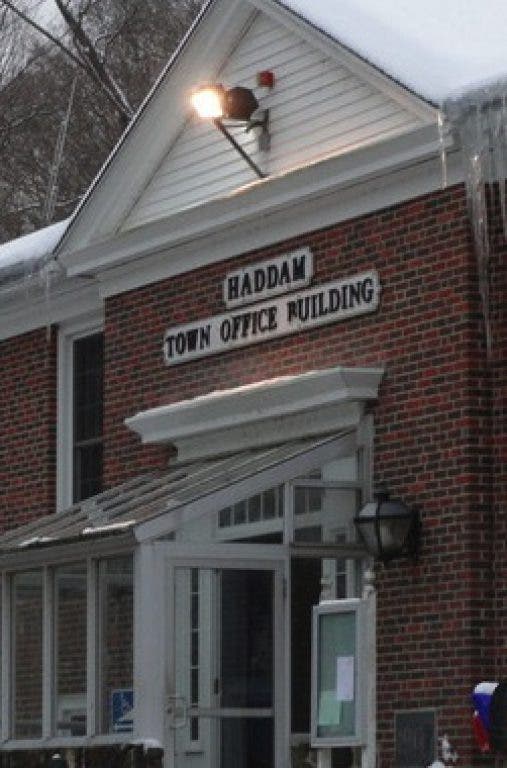


More than seven years after buying property on Cedar Lake Road in Haddam, a Branford company is still mired in multiple lawsuits with the town over its right to run a gravel bank operation at the site.
WFS Earth Materials LLC., which bought the property at 61 Cedar Lake Road in 2004, has filed four lawsuits against the town, accusing zoning officials of illegally seeking to limit the gravel pit’s operations and expansion. The town, in turn, has filed two lawsuits, and taken countless votes and other measures, in its efforts to curtail the business, arguing that WFS Earth Materials is operating beyond the scope of its permit and in violation of local zoning rules.
In the most recent turn of the complex legal wranglings, the town was dealt a setback this past spring when a Middlesex Superior Court judge ruled that Haddam zoning officials have to give WFS Earth Materials a permit to run the gravel pit.
Find out what's happening in The Haddams-Killingworthfor free with the latest updates from Patch.
Haddam, however, is appealing that judgment.
The legal woes between the town and gravel pit operator date back to about 2004 when WFS Earth Materials bought the property, though the issue has its roots far back into the middle of the last century. In the 1950s a resident on Cedar Lake Road ran a small sand pit at his property and began selling sand to local residents and businesses. The small venture started decades before local zoning rules were enacted. After zoning laws were implemented several decades ago, the town recognized the gravel pit operation as a “non-conforming” use, one that was grandfathered in because it predated zoning, and permitted it to operate.
Find out what's happening in The Haddams-Killingworthfor free with the latest updates from Patch.
Over the years the small enterprise grew and formalized into a business to the point where WFS Earth Materials paid nearly $1.2 million to take over the venture and then invested another $800,000 in it. Lawyers for WFS Earth say in the court filings that company officials were aware that the gravel bank predated zoning and, because of that, warned the PZC that they would expand the business after buying it. In the fall of 2003, the PZC approved an updated plan for the company’s use of the property, WFS said in its legal filing, but after the company closed on the land a few months later, the commission began placing restrictions on its use of the site.
The issue came to a head in 2007 when the PZC issued a new permit for the gravel operation, placing numerous restrictions on the business, WFS Earth said in its lawsuit, including limiting the areas that could be excavated and the number of trucks that could come and go from the site.
The move came amid growing complaints from area residents that the gravel operation was expanding unreasonably and that heavy truck traffic had increased significantly on the rural roads near the gravel pit.
WFS Earth sued the commission following that permit decision, saying the limits in the permit would effectively shut down its business, valued at between $15 million and $20 million. Several more lawsuits, both by WFS and the town, followed over the years. In all, there are six legal actions currently pending between them.
The town has also issued cease-and-desist orders against WFS Earth, saying the company has illegally filled wetlands on the site. The town has filed a lawsuit accusing WFS Earth of ignoring the cease-and-desist orders.
While the town and gravel pit tussle over the legal issues, residents continue to raise complaints about the gravel operation.
One of those is Robert Lentz, who lives on Cedar Lake Road and whose father originally owned the gravel bank property. Lentz said his father started a tiny gravel operation on his property, one that was never intended to grow into the multi-million business that operates there today. Now the gravel operation, Lentz said, virtually surrounds his home.
“I don’t know why they ever got a permit, it was never a gravel bank before zoning,” he said.
The Haddam Bulletin has a detailed account of the history of the sand pit.
Get more local news delivered straight to your inbox. Sign up for free Patch newsletters and alerts.