Seasonal & Holidays
It's Pothole Season 2026 — How To Report Them In Vernon
Local Department of Public Works crews are ready to take on potholes.


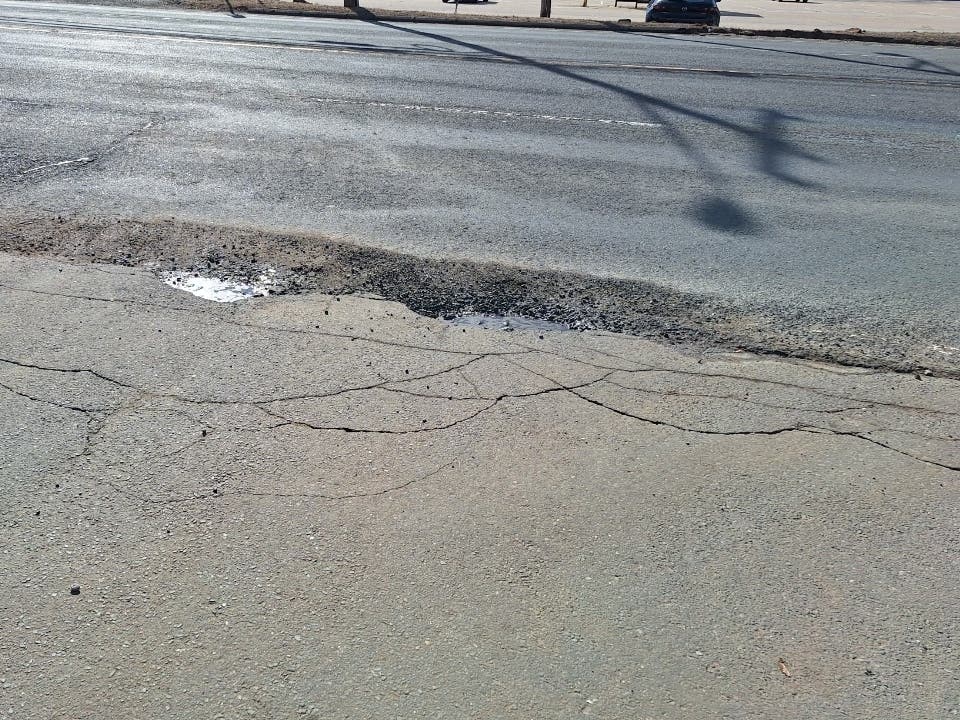
VERNON, CT — It's pothole season in Vernon.
Crews from the Vernon Department of Public Works have already been out taking care of the annoying cracks and crevices, but, of course, there are more to come.
Here's the pothole routine from the Vernon DPW:
Find out what's happening in Vernonfor free with the latest updates from Patch.
To report a pothole, call the Public Works Department at 860-870-3500.
To help expedite a response, be prepared to provide some specific information:
Find out what's happening in Vernonfor free with the latest updates from Patch.
- The exact location.
- Size...approximate length/width/depth.
- Is the hole on the sidewalk or roadway...driving lane or parking lane?
- Is there a barricade or orange cone over this hole?
The more information the DPW has, the better it can service residents.
Potholes on most heavily traveled roads are usually repaired within 48 hours of notification. Maintenance crews are constantly on the lookout for potholes, but the DPW welcomes citizen calls about potholes as well. The sooner the pothole is reported, the more quickly Public Works can remove that road hazard.
Drivers across Connecticut often notice a surge of potholes in late winter and early spring, a seasonal nuisance caused largely by water, freezing temperatures and heavy traffic.
Transportation officials say potholes begin forming when small cracks develop in aging pavement. Rain or melting snow seeps into the cracks and the layers beneath the asphalt.
When temperatures drop, the trapped water freezes and expands, pushing the pavement apart and widening the cracks. As temperatures rise again and the ice melts, the process leaves empty spaces beneath the road surface, weakening the pavement above.
Passing vehicles — particularly heavier trucks — then put pressure on the weakened area. Over time, the asphalt breaks apart and collapses, creating the hole drivers encounter on the roadway.
Once a pothole forms, it tends to grow quickly. Water collects in the opening, and repeated traffic dislodges more pieces of pavement, enlarging the hole.
The problem is especially common in northern states where temperatures frequently fluctuate above and below freezing. Those repeated freeze-thaw cycles accelerate the damage, leading to the rash of potholes motorists often encounter as winter transitions to spring.
Get more local news delivered straight to your inbox. Sign up for free Patch newsletters and alerts.