Community Corner
Paddling to Cockenoe
Westport Patch reporter Nancy Burton describes her experience kayaking out to the island.
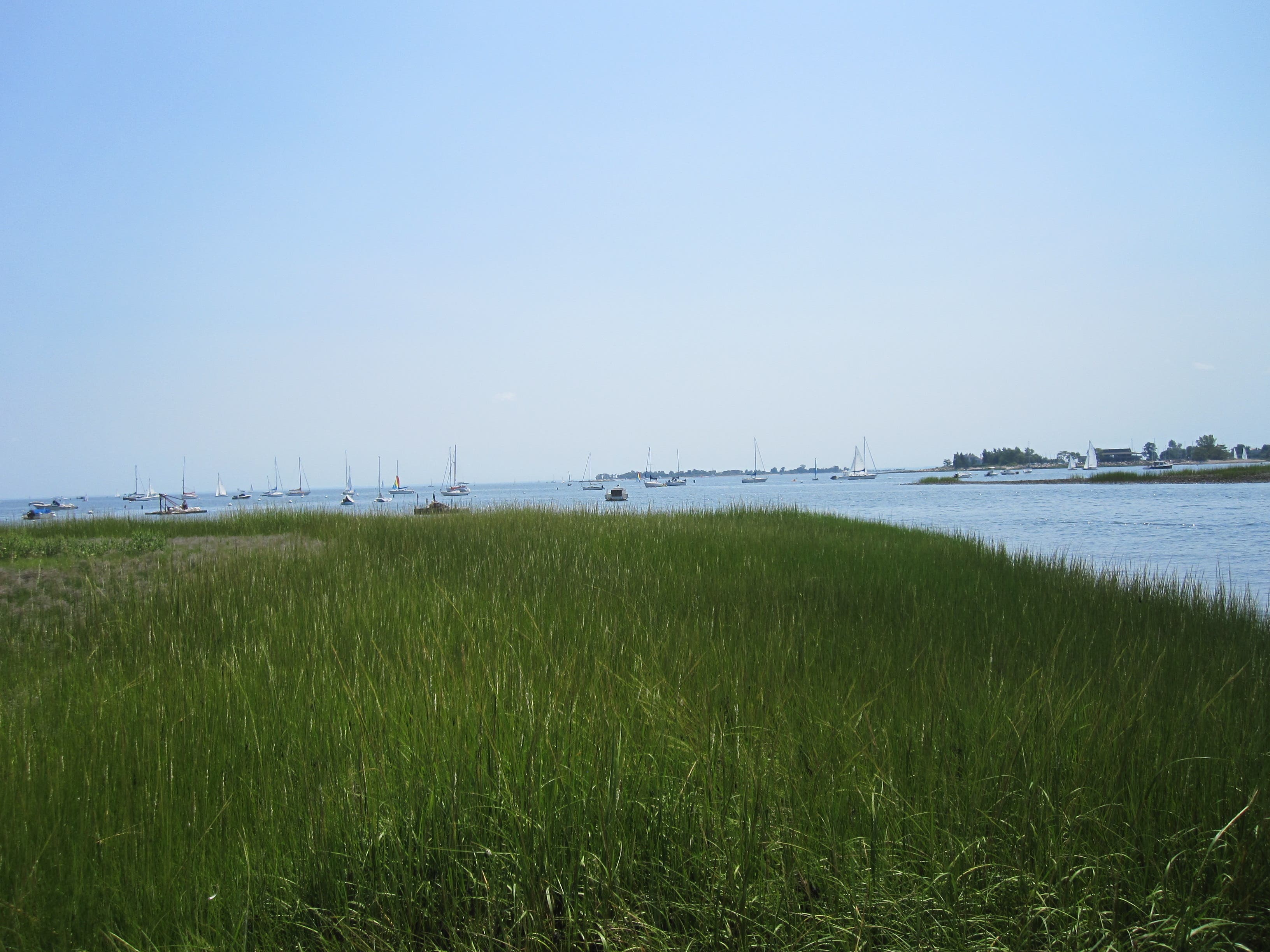


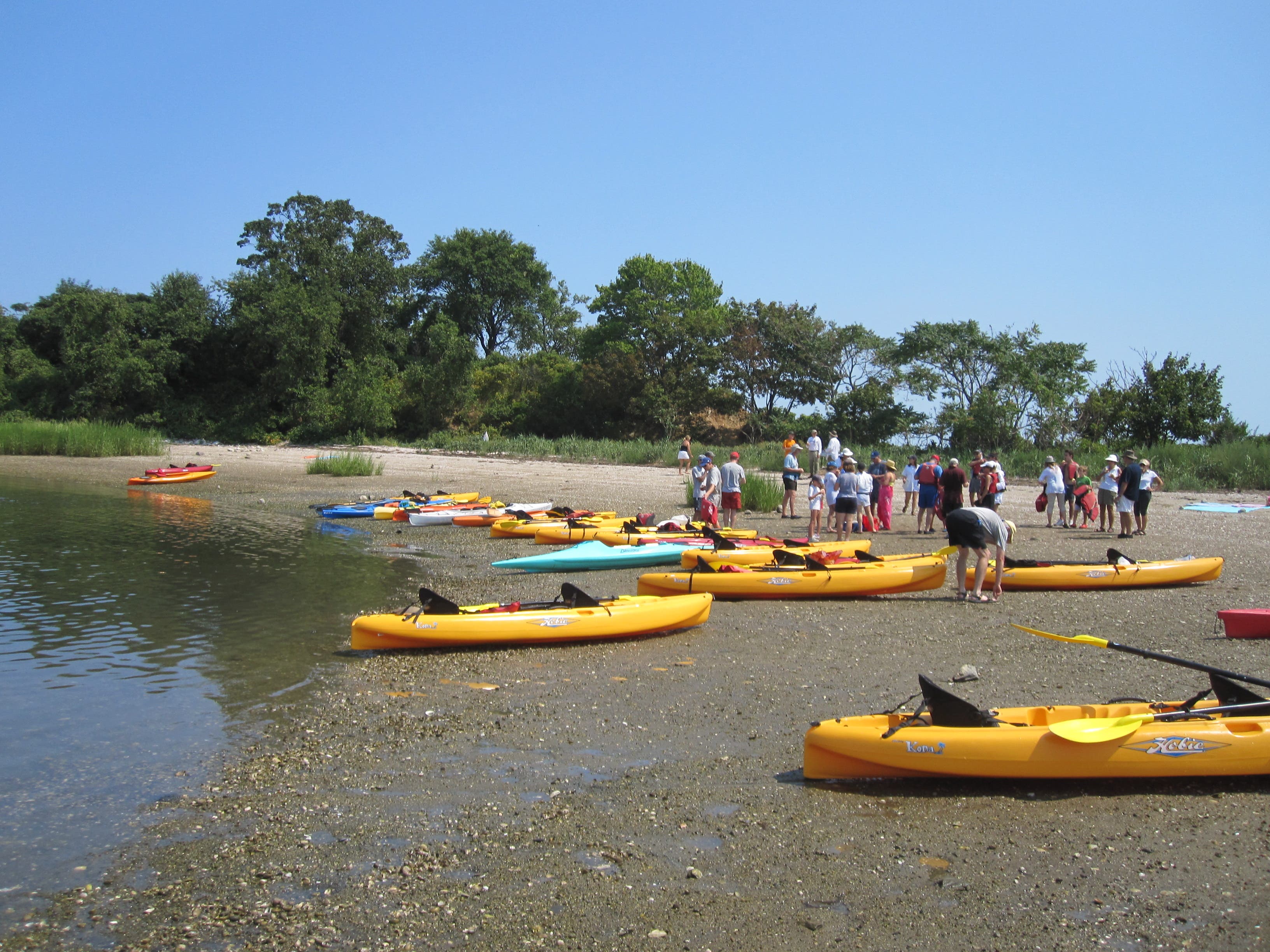

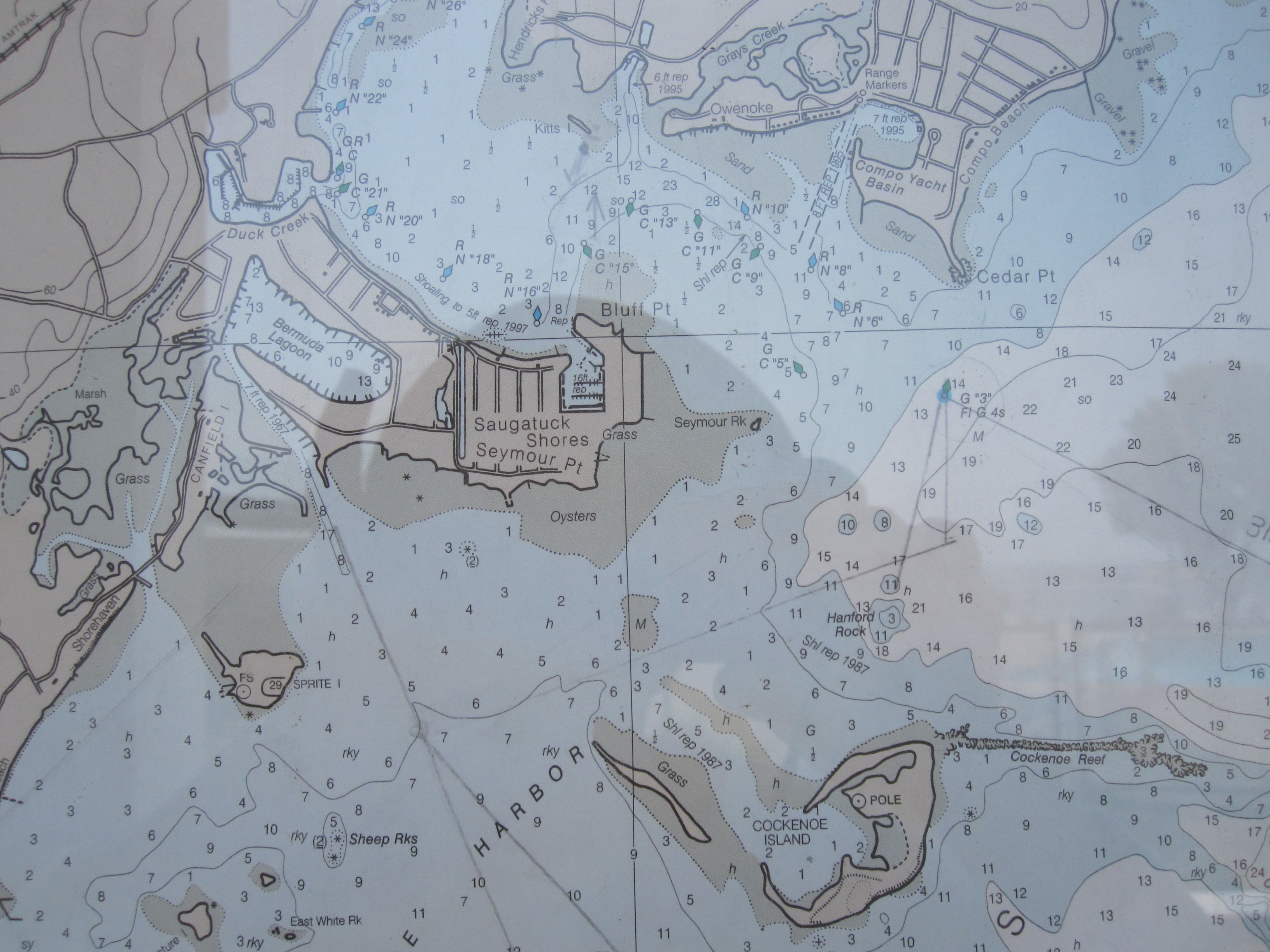


A flotilla of bobbing red and yellow kayaks launching from the Longshore Sailing School crossed the waves on Sunday afternoon to visit Cockenoe Island, the 27-acre property a mile offshore which the town bought in the 1960s to save from a fate that seems preposterous today: serving as the site of a nuclear power plant.
The Historical Society frequently leads waterborne expeditions, but this trip was an August idyll to long remember.
Swept forward by a receding tide and at the same time challenged by a light breeze from the south, the 45-minute venture to the island sanctuary was a magical getaway.
Find out what's happening in Westportfor free with the latest updates from Patch.
As the procession avoided other watercraft under motor and sail, it took on the look of a parade of ducks; the yellow paddles swept up and down in rhythm. In the case of two-seater kayaks, they took on the look of rotating windmills when their passengers' strokes were synchronized at 90 degrees.
The 32 kayakers were hardly alone when they pulled ashore to the rocky beach. Power boats moored in a horseshoe-shaped sandy area for swimming, sunning and reclining on rafts. The shoreline was speckled with families picnicking under colorful umbrellas.
Find out what's happening in Westportfor free with the latest updates from Patch.
The Historical Society had enlisted Sara DaSilva, a naturalist who until recently was president of the Norwalk River Watershed Association, to lead a short tour along one of the wispy island trails to get to the island's barren and deserted south side.
DaSilva said Cockenoe is a favored rookery for Long Island Sound shorebirds - egrets, great blue herons and plovers among them — because of its size, location and it's relatively wild.
She identified the salt marsh grasses that grow in abundance at the shoreline and the edible beach rose berries still at their peak. She pointed out the Oriental bittersweet, an invasive species, sea lavender bushes, and the phragmites that have taken root near the sandy beach. The island has dune and successional forest ecologies, she noted.
Kayaker Molly Fording, 9, came upon a specimen that she asked DaSilva to identify.
Although it resembled dried seaweed, DaSilva decided it was a sea sponge because of its texture and structure.
Town Historian Allen Raymond, 87, who drove his motorboat over to serve as a rescue craft should the need arise — none did — added historical flavor to the tour.
"We'd sometimes come over in a group of five boats and spend the whole day," Raymond recalled of his Westport childhood. "One time, Barbara [Raymond's wife] even made a cake on the beach. I don't know how she did it."
"Cockenoe Island is my history," he said, becoming overcome with emotion.
"Growing up in Westport, we used to come out here all the time," recalled Peter Jennings, vice president of the Historical Society. "I remember dividing up a group of us so one would check the lobster pot, another would fish with a line and a third would dig for clams."
"We'd have a fish barbecue on the beach," he related as he paddled effortlessly. "Didn't the Indians have it all!"
Raymond recalled the contentious campaign waged after the United Illuminating Company, its identity concealed by a trust, purchased the island from Norwalk in 1967 with plans to site a 14-story nuclear power plant there.
"No one knew they'd bought it - it was done secretly," Raymond said.
But when word spread, community outrage coalesced with newspaper campaigns, court battles and legislative initiatives.
"I remember the school halls plastered with psychedelic posters saying "Save Our Isand!" Jennings recalled. Jennings was a student at the Long Lots Middle School at the time.
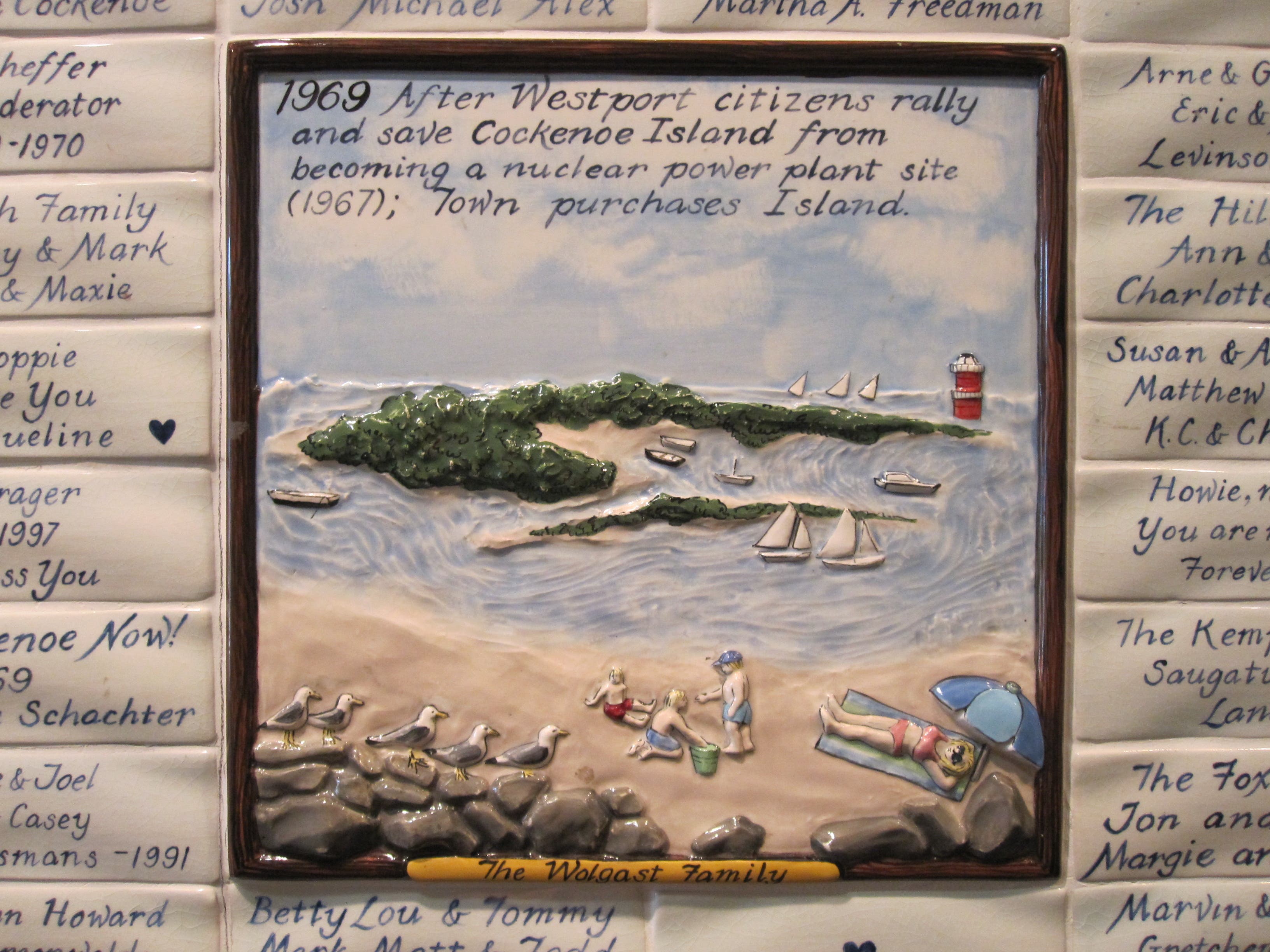
The controversy ended when UI agreed to sell the island to the town of Westport for $200,000 if the town would end its efforts in the legislature to pass a law assuring that towns have rights to take property by eminent domain superior to utilities.
Before and after that contentious time, Cockenoe has been a destination for picnickers and day-trippers from Westport and other communities along the shore, as well as farmers and moonshiners, according to information provided by the Historical Society.
Two hundred years ago, the island was 50 acres in size and supported farmers raising corn, bean, potatoes as well as salt hay fed to cattle and used for livestock bedding.
In 1820, there was a farmhouse and a barn and enough dry land for horses, cattle and sheep to graze.
On occasion, at low tide, cattle would roam to another of the offshore islands and farmers had to take milking buckets to them in their boats and await the next low tide to drive them back.
Indeed, it is recounted that at low tide oxcarts could transport barrels of molasses by carriage out to Cockenoe - and return to shore with barrels of rum. In time, the distillery was raided by the feds and shut down.
Erosion has swept away at least 13 acres of Cockenoe; paddling in the channel separating the island from the mainland, it is hard to imagine tides low enough to enable ox-drawn wagon crossings.
The island is believed to be named for a 17th century Native American, Cockenoe-de-Long Island, who was enslaved to a benevolent Boston family who educated him. He became a specialist in negotiating real estate transactions — "Cockenoe" means "interpreter" in the Native American tongue. A 1702 document includes "Cockenoe's Island" within Norwalk's land claim, according to the society's historical researches.
When escort Raymond had to head back to Westport to attend a family get-together, Historical Society Executive Director Susan Gold asked him if he knew the way back.
"If I run ashore I'll know it's the wrong way," joked Raymond, who is widely credited with the foresight that made possible the town's purchase of Longshore Club Park 50 years ago this year. The Longshore Sailing School, also celebrating its 50th anniversary this year, rented out the kayaks for the expedition.
Before casting off and leaving the quietude of Cockenoe Island behind, there was time for a quick dip in the salt water.
"There would be jellyfish if the temperature were a degree or two warmer," observed Jennings, an 11th-generation Westporter with a love of the sea.
A tile depicting Cockenoe Island sans nuclear power plant and nearby Peck's Ledge Lighthouse is on the"River of Names" displayed in the basement of the Westport Public Library. Overnight camping on Cockenoe is allowed by permit.