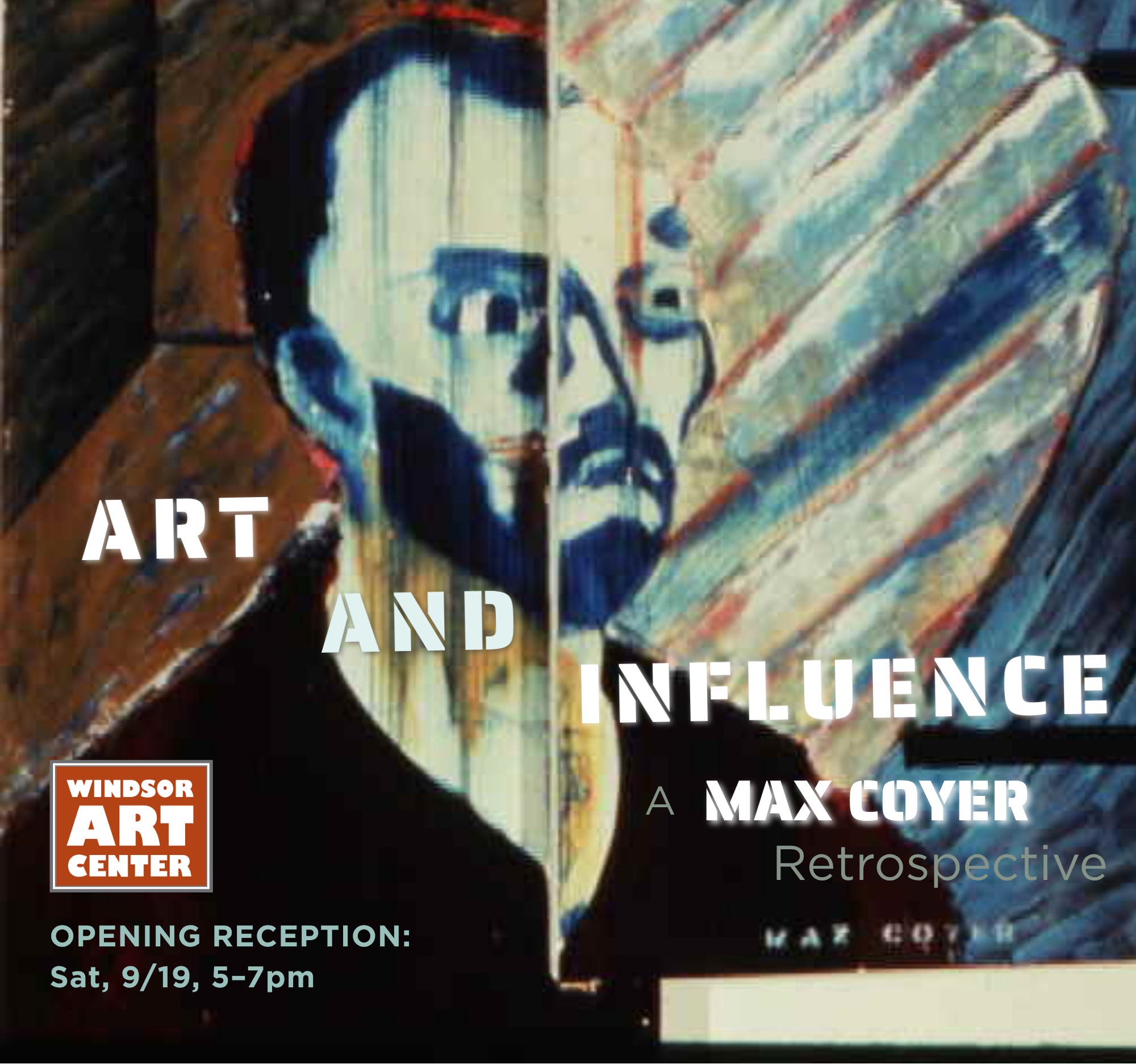
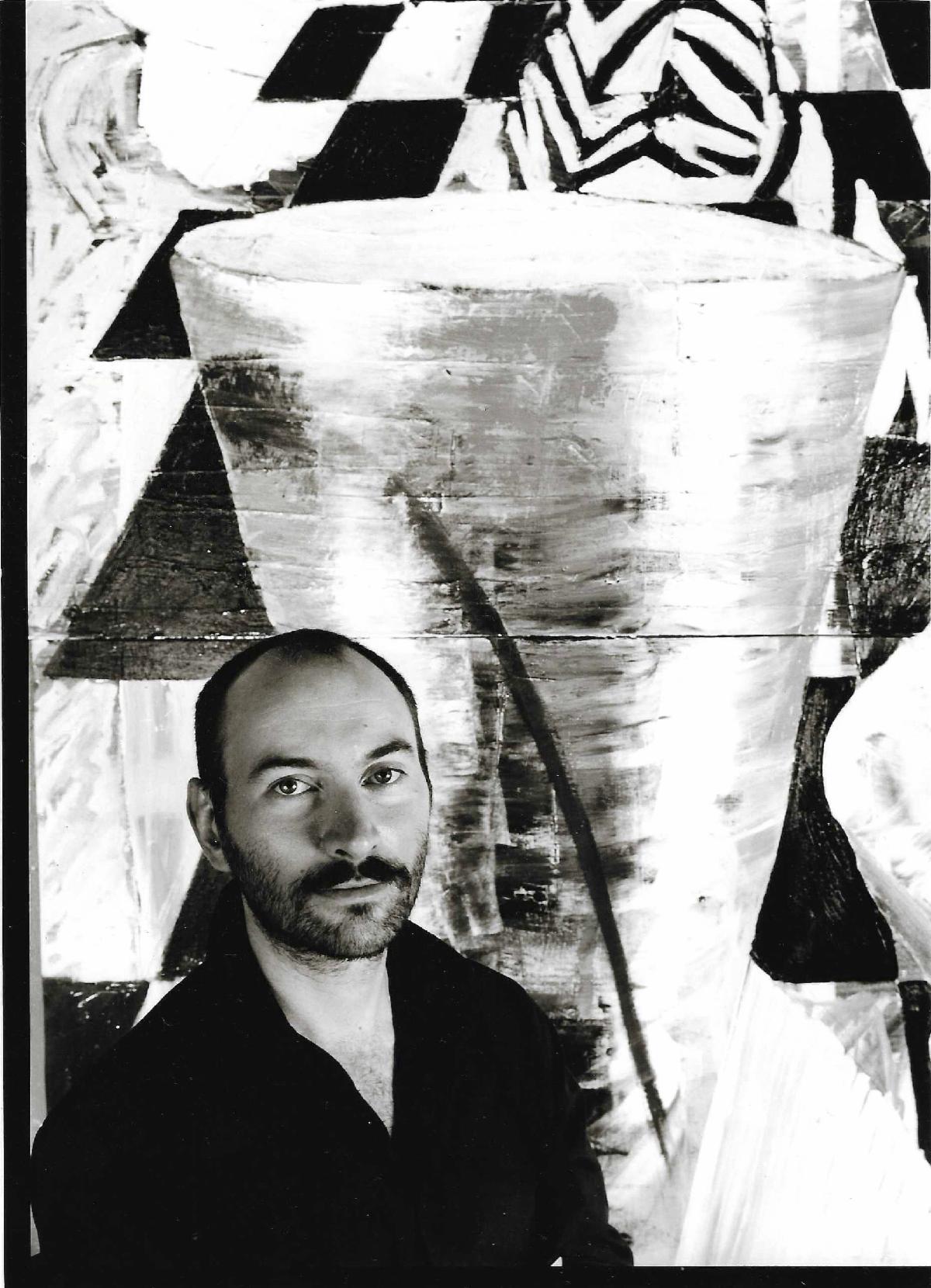
Coyer was a painter of deep intellectual curiosity who believed that art could not be contained by a single tradition. He championed what he termed synthetic art — a declaration that the long-standing divide between academic and modernist painting was over. His canvases drew freely from the full sweep of art history, embracing influences as wide-ranging as African masks, Etruscan mosaics, Japanese prints, and the Old Masters — among them Caravaggio, Bronzino, Georges de la Tour, and Van Gogh — and returned them transformed, in a voice that was unmistakably his own. His work spans several distinct bodies, including a celebrated still life series marked by warmth and compositional precision, and an icon series demonstrating a commanding visual language rooted in form and symbolism. Coyer’s paintings are held in museums, galleries, and corporate collections across the country. Playwright Edward Albee, writing in July 1989, captured the quality of Coyer’s vision with characteristic precision: his paintings, Albee observed, were a catalogue of enthusiasms and homages — a life’s work spent in joyful, rigorous conversation with the whole of art history. Max Coyer died in 1988 at the age of thirty-four, having contracted HIV at a time when that diagnosis meant one thing only. The art world lost a singular talent at the height of his powers. Had circumstances been different, his name would today be among the most recognized of his generation. His legacy endures. The Max Coyer Memorial Scholarship, awarded annually to a Windsor High School art student, carries his name and his spirit forward. His work continues to be exhibited and celebrated, including six paintings currently on loan to the Office of the Connecticut Lieutenant Governor — a homecoming, long overdue, for one of Connecticut’s own. |