Neighbor News
What the Self Drive Act Means for Floridians
Self-driving cars are just around the corner. The NHTSA just passed the Self Drive Act, legislation that makes autonomous cars a reality.

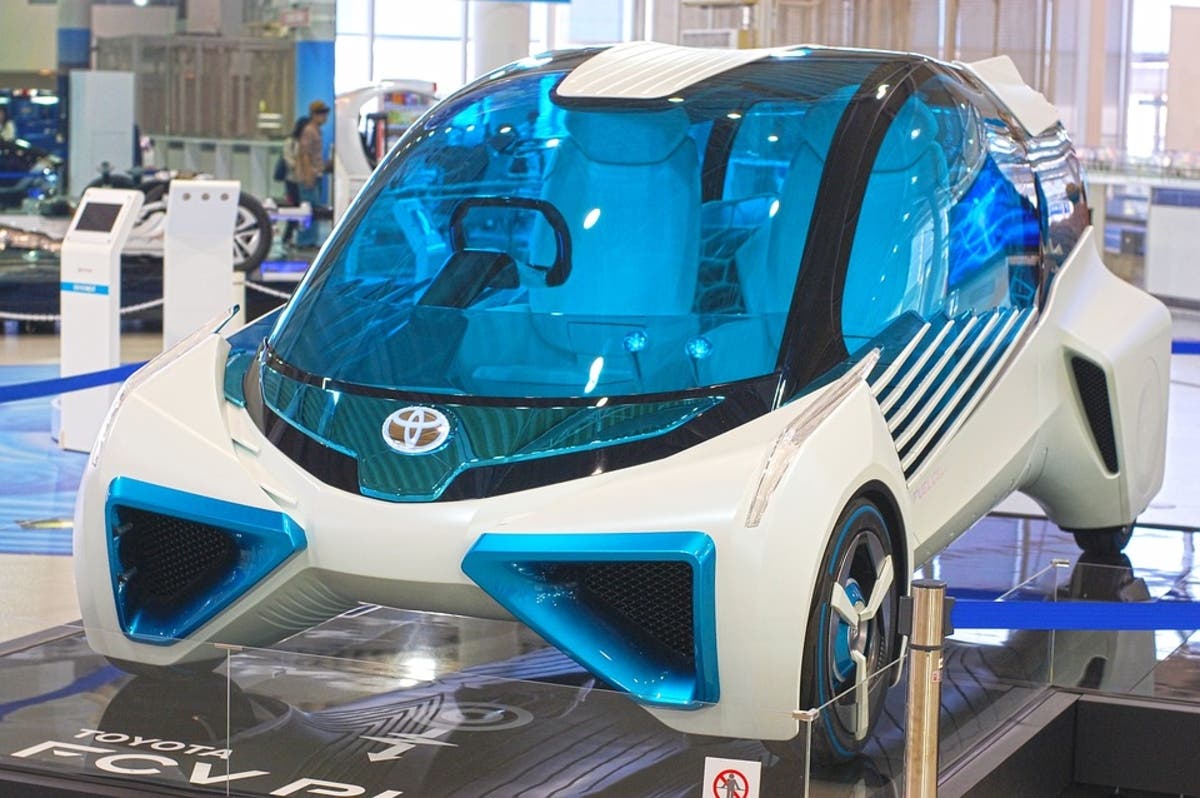
The National Highway Traffic Safety Administration just took another important milestone is making autonomous cars a reality in the near future. The Self Drive Act just passed in the house of representatives and this bi-partisan win (GASP!) has both parties celebrating a hopeful future for Americans and self-driving cars. “I truly believe the bipartisan bill-drafting process for self-driving legislation is an example of our committee at its best – working together to pursue the common goal of saving lives,” said Chairman Walden. The aim of this legislation is to regulate and innovate for an industry standard across the board. The Self Drive Act would put safety at the forefront for the development of self-driving cars but it has some safety experts wondering if it’s in the public’s best interest or the auto manufacturers.
Self Driving Cars Will Reduce Traffic by 90%, according to study.
Since 2011, Florida has raced to lead autonomous vehicle regulation. Motivations included the high death toll seen on the roads. Traffic accidents in Florida are on an all time high, as of July 2017, there were over 213,000 car crashes throughout the state of Florida. The average according to crash data from the DMV is around 200,000. Technology seems to be our greatest friend and foe. One minute its helping us be hands free and the next minute were rear-ending the car in front of us while checking our Facebook memories. According to a study conducted by Nationwide Insurance, 4 out of 10 car accidents are due to technological interference. Currently, in the state of Florida it is legal to talk on the phone while driving however, texting and driving using a hands free wireless devices is prohibited. The development of self driving cars is intended to reduce the number of fatalities from accidents that involved distracted drivers. The advent of Will the emergence of self driving cars throughout Florida help or hinder our obsession with technology and keep our families safe?
Objectives For The Self Drive Act:
- Reduce Traffic Collisions and save lives on the road
- Advance safety by prioritizing the protection of consumers
- Reaffirm the role and responsibilities of federal and state governments
- Update safety standards to account for advancements in technology
- Maximize opportunities for research and development in the US, create jobs and economic growth.
Putting Our Lives in the Hands of Manufacturers
While this all sounds like good news for the auto industry, some experts are concerned the Self Drive Act will put manufacturers and leading industry executives ahead of the NHTSA. This will greatly remove the NHTSA from overseeing major production of these autonomous cars. According to Heidi King, NHTSA’s acting administrator, these so-called Safety Self-Assessments are meant to encourage the discussion and importance of ensuring occupant and non-occupant safety, and to create “an approach that is flexible, adaptive, and open.” Is this “flexibility” potentially putting money before safety? According to safety experts, it’s risky business. Henry Jasny, VP for Advocates for Highway and Auto Safety explains that manufacturers can give superficial or incomplete information about the testing of these cars. Jasny believes there are major details lacking on technical and safety performance information that will not be available to the general public.
Find out what's happening in Boca Ratonfor free with the latest updates from Patch.
Vehicle Automation Levels (NHTSA)
Level 0: Human driver is in complete control of steering, brakes, throttle and power.
Level 1: Most functions are still controlled by the driver and one specefic function is automated (steering or accelerator).
Level 2: More than one function is automated at one time. For example, cruise control and lane centering.
Level 3: The driver is able to completely shift safety critical driving functions over to the vehicle, depending on environmental factors. Most cars on the road today are at level 3.
Level 4:The car can drive itself and is “fully autonomous”. Specifications in level 4 cars are designed to be fully functional and operate during the entirety of a trip.
Level 5: This is a fully autonomous system. The vehicles performance should equate to that of a humans in almost every driving scenario.
Autonomous Vehicle Legislation in Florida
In April 2016, legislation for autonomous cars in Florida expanded on how self driving cars are operated and eliminates the requirements that a driver needs to be present in the vehicle. It can be noted that the state currently doesn’t regulate the testing out operation of autonomous technology in cars on public roads. The merge from autonomous cars will be rocky, this is because Florida freeways will soon be filled with autonomous cars and humans. Betty Daaf, a retired computer infrastructure administrator believes that by allowing these cars on the road we will be paving the way for progress in the future, “there will be more and better infrastructure, and better programming. Without a start in the real world, the autonomous cars will not advance. With the mainstream use of self driving cars, there will be accidents at the beginning but fewer and fewer, both low and high impact.”
Find out what's happening in Boca Ratonfor free with the latest updates from Patch.
Ultimately, the trust lies in manufacturers, programmers and infrastructure. By allowing autonomous cars on our roads, we will be partially guinea pigs in a large-scale “experiment.” However, we will also be contributing to decreased fatalities, traffic cuts, and fossil fuel usage. Many Floridians, including the chairman of Florida's transportation committee think it’s worth a shot.