Business & Tech
Dawg Phonics Trainer Helps Humans and Canines Speak the Same Language
Trisha Robinson-Antonelli, owner and trainer of Dawg Phonics, works with her canine ambassador, Phoenix, to strengthen the bond between man and his best friend.
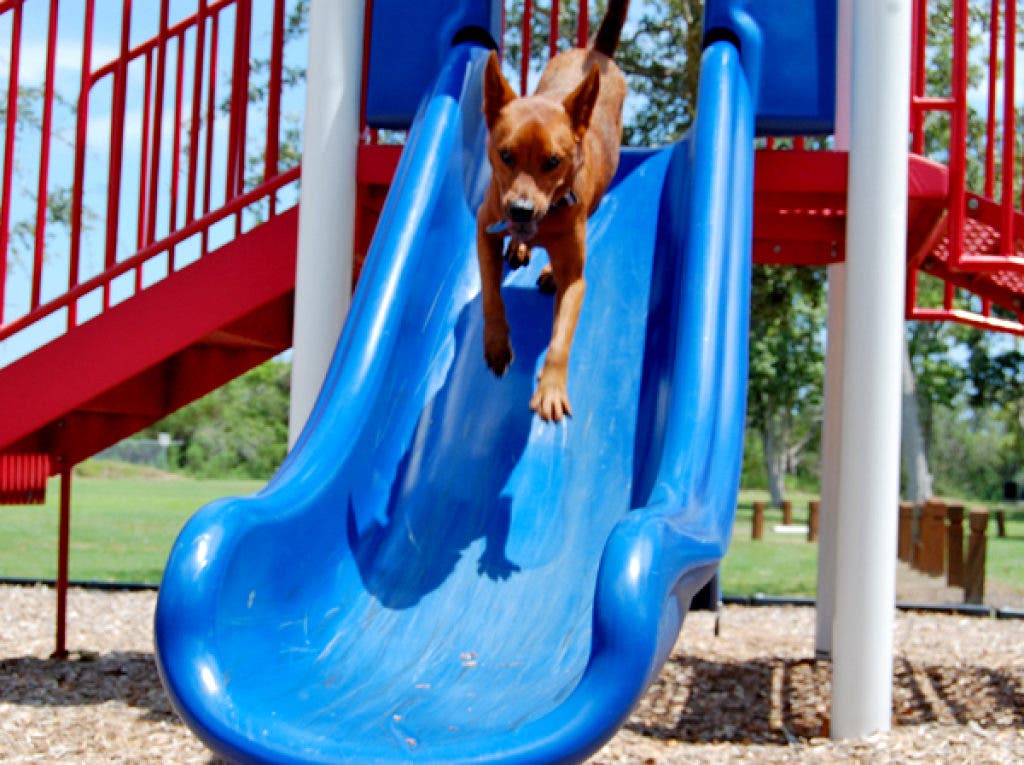


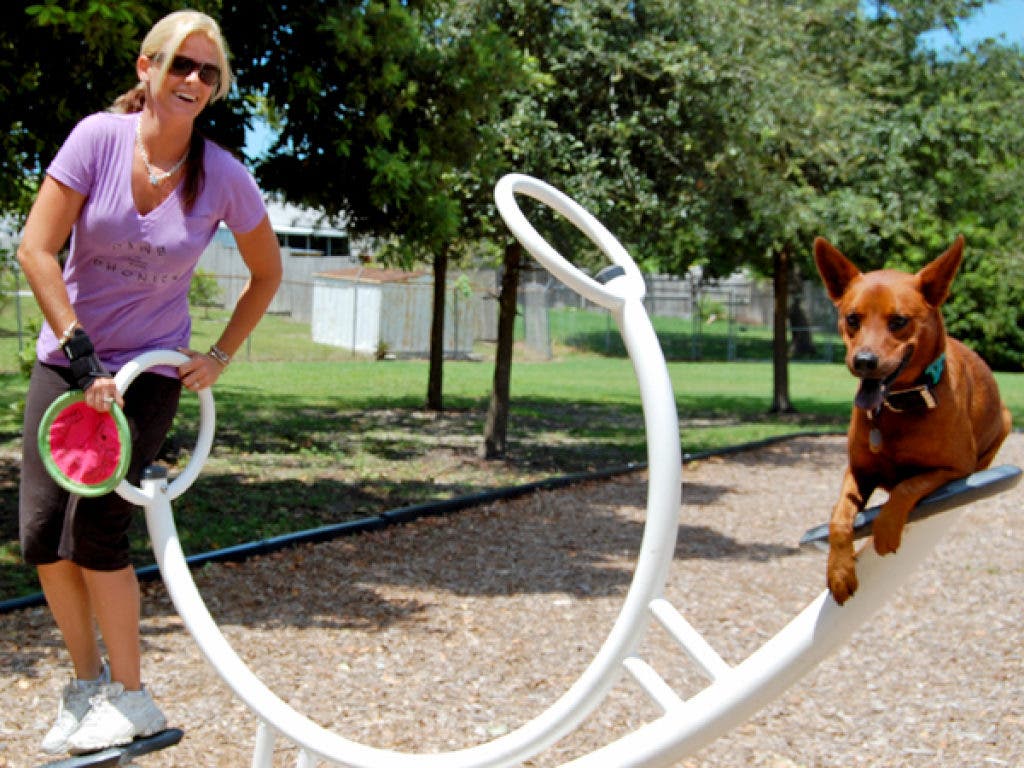

Trisha Robinson-Antonelli may not be the Dog Whisperer, but the owner and trainer of Bradenton’s is certainly well versed in the language of woofs and tail wags.
With the help of her canine companion, Phoenix, Robinson-Antonelli works to bridge that inter-species communication gap and promote better obedience and friendship between man and his best friend.
A certified trainer of two years and counting, Robinson-Antonelli travels as far north as Tampa and as far south as Nokomis to provide one-on-one training sessions for dogs of all breeds to correct problem behaviors and help pet owners earn and maintain trust, respect and obedience from their dogs.
Find out what's happening in Bradentonfor free with the latest updates from Patch.
Phoenix, her two year-old Alaskan malamute mix, accompanies her to training sessions and acts as a teacher and ambassador who helps other dogs learn how to socialize and behave properly and sets an example for basic activities like walking on a leash.
For each client, Robinson-Antonelli begins with a free in-house visit to do an evaluation and devise a unique plan based on the individual needs of the dog and its owner. Some of her services include house breaking, leash training, correction of aggressive behavior, responding to commands to come when called, sit and stay, proper entrance and exit of cars and doorways and prevention of jumping, play biting and space invasion. She also does tricks training and is beginning to work on agility training.
Find out what's happening in Bradentonfor free with the latest updates from Patch.
“A big part of the process is teaching clients to stay calm rather than becoming frustrated,” Robinson-Antonelli said.
Other common problems she encounters include a lack of an alpha in the house, use of improper or ineffective correction techniques and a tendency for dog owners in multiple-person homes to take on “good cop, bad cop” roles that alternate between over-coddling and being overly strict with the dog.
“I don’t think there’s a breed that’s any more difficult to train than the others — it’s the owners who can be the most difficult to train,” she said.
Robinson-Antonelli said that she frequently works with aggressive breed dogs that are in danger of being put down if their behavior is not corrected. She volunteers her services at local adoption centers to rehabilitate severe problem dogs so that they may find homes and encourages those organizations to reach out to her if they need help.
“The problem is usually anxiety, which turns into aggression," she said. "Nine out of ten times, a dog isn’t truly aggressive, it just doesn’t know how to properly interact.”
As a certified E-Collar trainer, Robinson-Antonelli works to dispel the myths surrounding the electric device which has stirred controversy since its invention in the 1960s.
When used properly, Robinson-Antonelli said, the E-Collar produces a mild tingling stimulus that gets the dog’s attention without causing any level of pain or stress. She compared the stimulation from an E-Collar to that of a machine used in muscle stimulation therapy to alleviate pain in humans.
“The impulse comes with voice commands and affects muscle memory so that dogs know they’re being spoken to and learn how to pay attention to their owners,” Robinson-Antonelli explained.
“Unfortunately, there is no specific regulation on E-Collars and when they are used without training, they can be painful to the dog," she added. "A lot of people have a knee-jerk reaction based on horror stories they’ve heard about them, but they should never, ever be painful.”
Robinson-Antonelli explained that proper E-Collar training is effective because it helps the dog mature more quickly, takes the stress out of training for the owner and eliminates improper hands-on correction methods. She said that through E-Collar training, a dog can be off the leash in two weeks and within 4-5 months, the collar itself is no longer necessary.
Once dogs and their owners have completed the one-on-one Dawg Phonics training program, Robinson-Antonelli offers lifetime training through the group classes she holds three times a week. In addition to these classes, Dawg Phonics takes “field trips” to places like the downtown farmer’s market, art shows and Fort Desoto where dogs and their owners can socialize.
Every Tuesday, Robinson-Antonelli hosts “Yappy Hour” at downtown Bradenton’s , an event that is free to the public in which she provides tips on dog training. Yappy Hour includes a “Bark Jar” in which owners are encouraged to make a small donation every time their dog disrupts the meeting by barking.
Robinson-Antonelli hosts a monthly raffle in which half of the money from the Bark Jar is awarded to the winner, while the other half is donated to the Manatee County “” movement, , the or .
“I’m blessed,” said Robinson-Antonelli. “I get to do what I love all the time. I get to play with puppies all day. Could I be any luckier?”
To schedule a free demo with Dawg Phonics, contact Trisha Robinson-Antonelli at (941) 544-6907 or email info@dawgphonics.com.