Community Corner
5 Things To Know: Perseid Meteor Shower Viewing Tips
The meteor shower is due to peak overnight, Aug. 12-13.
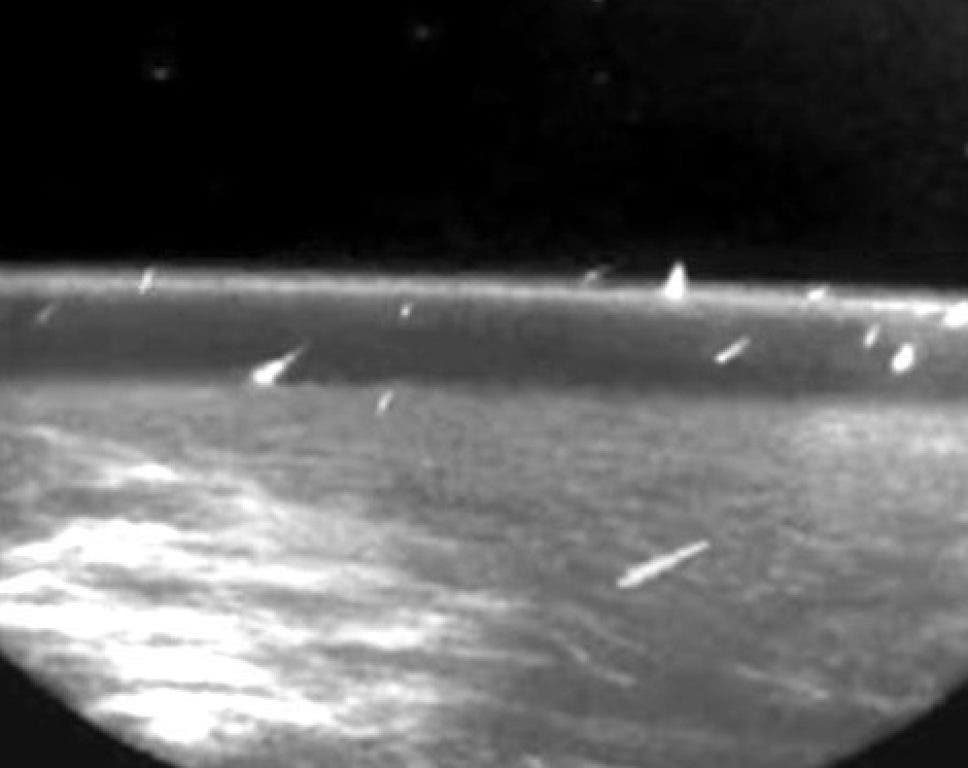
Forget the Fourth of July, you can look to the skies tonight for a celestial fireworks show.
Overnight tonight, Aug. 12-13, should be the peak period for the annual meteor shower, which is always among the most prolific of the year.
Here's some tips and tales to keep in mind:
Find out what's happening in Brandonfor free with the latest updates from Patch.
- The Perseids get their name because they appear to emanate from the constellation Perseus. It only appears that way, though. The meteors we see are really the debris from the Swift Tuttle comet. The meteors (some the size of dust particles, others, if you are lucky, the size of a small rock) burn up in our atmosphere as the Earth passes through the comet's dust cloud. The Perseids are one of several meteor showers that bombard the Earth.
- Perseus was a one-man Seal Team Six in his day. According to legend, the King of Seriphus gave Perseus the seemingly impossible task of cutting off the head of Medusa. The king wanted Perseus out of the picture so he could cozy up to the boy's mom. Medusa (think Rosanne Barr, with better hair) was no shrinking voilet. She sported snakes for hair and could turn a man to stone with one look. (You can catch her modern incarnation on a show called "Jersey Housewives.") With the help of some friends, and only staring at her reflection, Perseus got his head and returned home where he later killed his mom's dad.
- Meteors enter the Earth's atmosphere at 133,000 miles per hour. What some call "shooting stars" are meteors burning up. Meteors become meteorites if they reach the gound. Very few meteors reach terra firma but if they do, and you can recover one, it can be sold for thousands to a collector or university.
- The best place to view the Perseids is away from street lights and large population centers. If you can't do that, head out to the backyard and turn off the lights. Don't expect to see a fireworks shower right away. Our eyes take about 30 minutes to adjust to the darkness; with light from the moon, it will take a little patience before you see those first streaks across the sky. Get a comfy chair and, since we are in Florida, some bug spray. If you are lucky, you may even see a fireball, a meteor that appears to burn up in the sky. Some intrepid meteor watchers have even posted their own videos of the light show.
- The first recording of the Perseid meteor shower comes from China in 36 A.D.; viewers recorded seeing more than 100 meteors, according to the website Meteor Showers Online. Japanese and Korean records from the 8th and 9th centuries also mention the Perseids.