Health & Fitness
Florida Zika Virus Cases Climb To 199, 15 In Tampa Bay
A new travel-related Zika virus case was confirmed in Hillsborough County on Monday, along with three other new cases across the state.


Tampa Bay, FL — The number of confirmed Zika virus cases in the state of Florida climbed to 199 on Monday. A total of 15 of those cases involve patients in the Tampa Bay area.
All of the state’s cases to date remain travel-related, the Florida Department of Health says. The state leads the nation in the number of confirmed cases.
In the Tampa Bay area, Hillsborough and Pinellas counties have both witnessed five confirmed cases, according to state data released Monday. Hillsborough’s fifth case was reported on Monday. Polk County has had three confirmed cases and Pasco County one. So far, no cases have been confirmed in Manatee or Sarasota counties.
Find out what's happening in Brandonfor free with the latest updates from Patch.
A total of 39 pregnant women statewide have also tested positive for the virus.
The CDC has confirmed that the virus is responsible for causing severe defects in unborn children, including microcephaly, which leaves babies with abnormally small heads and often with brains that do not develop properly.
Find out what's happening in Brandonfor free with the latest updates from Patch.
Zika is a mosquito-borne illness that is characterized by a fever, rash and joint pain. While the illness typically resolves within a week, some severe cases may require hospitalization.
Aside from mosquitoes, Zika can be spread through sexual contact in some cases, the CDC notes. One of the confirmed cases in Polk County originated through sexual contact, the state of Florida reported. The patient in the case contracted the virus while traveling outside of the country.
As of Monday, 16 of the 199 people in Florida confirmed to have the Zika virus were still exhibiting symptoms, according to the state’s daily update report. Symptoms generally last for seven to 10 days, according to the CDC.
See also:
Florida’s congressional leaders met with public health officials in Washington, D.C., last week to discuss the virus and the likelihood cases may start originating within the state.
“We can’t protect women and children,” Dr. Tom Frieden, director of the U.S. Centers for Disease Control and Prevention, told the delegation, according to a report released by U.S. Rep. Vern Buchanan’s office.
The mosquito responsible for spreading the virus is harder to kill than an ordinary mosquito, Frieden said. “This is the cockroach of mosquitoes. It lives indoors and outdoors, bites both day and night, and bites four or five at a time.”
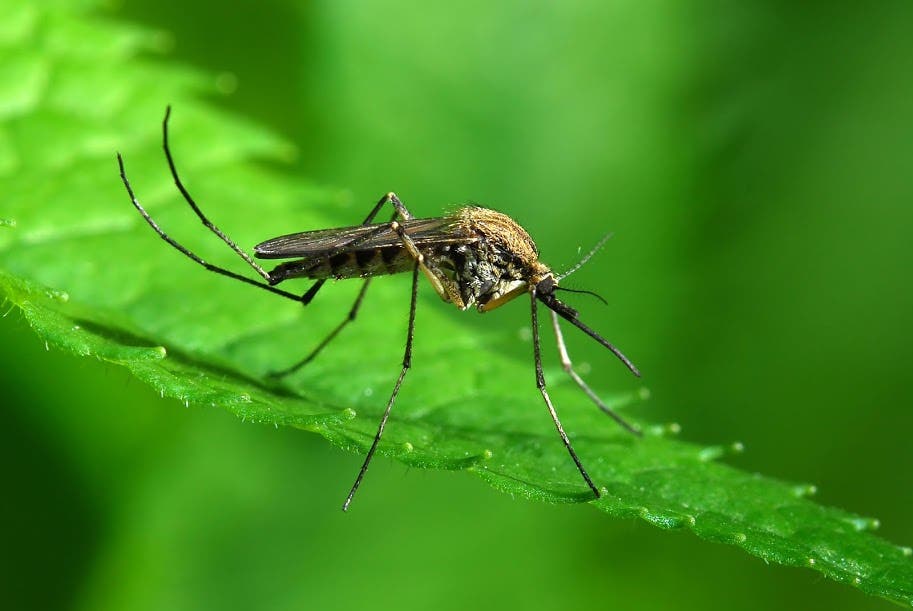
Frieden was referring to the Aedes aegypti mosquito species. These mosquitoes thrive in tropical, subtropical and some temperate climates, according to the CDC website. They are the main type of mosquito responsible for spreading not only Zika virus but also dengue and chikungunya. These mosquitoes prefer to feed on people, the CDC noted.
The state warns that mosquitoes can breed in as little as a teaspoon or bottle cap of water.
“So, one of the most effective control measures for mosquitoes is draining all sources of standing water around your home or business at least weekly,” Department of Health spokeswoman Mara Gambineri said. “This includes garbage cans, house gutters, pool covers, flower pots, toys and anywhere rain or sparkler water has collected.”
The state also recommends residents throw out old tires, drums and other items on their properties that can hold water. Bird baths should be emptied at least once or twice a week, and so should pet water bowls. Broken screens should also be repaired.
“If you must be outside when mosquitoes are active, cover up your skin by wearing long pants, long sleeves, shoes and socks,” Gambineri said. “Residents should also apply mosquito repellent to bare skin and clothing.” The state recommends repellents with DEET, picaridin, oil of lemon eucalyptus and IR3535, among others.
“Always follow the instructions on the label when using repellents,” Gambineri reminded. “Parents should make sure to protect kids as they head outdoors to play this summer by covering their skin with long clothing and using a suitable repellent.”
To help residents resolve questions about the virus and its spread, the state has set up a Zika Virus Information Hotline at 1-855-622-6735. The hotline has fielded more than 2,091 calls since it was launched Feb. 12, the state reported.
Image via Shutterstock
Get more local news delivered straight to your inbox. Sign up for free Patch newsletters and alerts.