Community Corner
Belizean Manatees Face Similar Fate As Florida Manatees By Boaters
Clearwater Marine Aquarium Research Institute is working to save both the Antillean manatee of Belize and Florida's West Indian manatee.


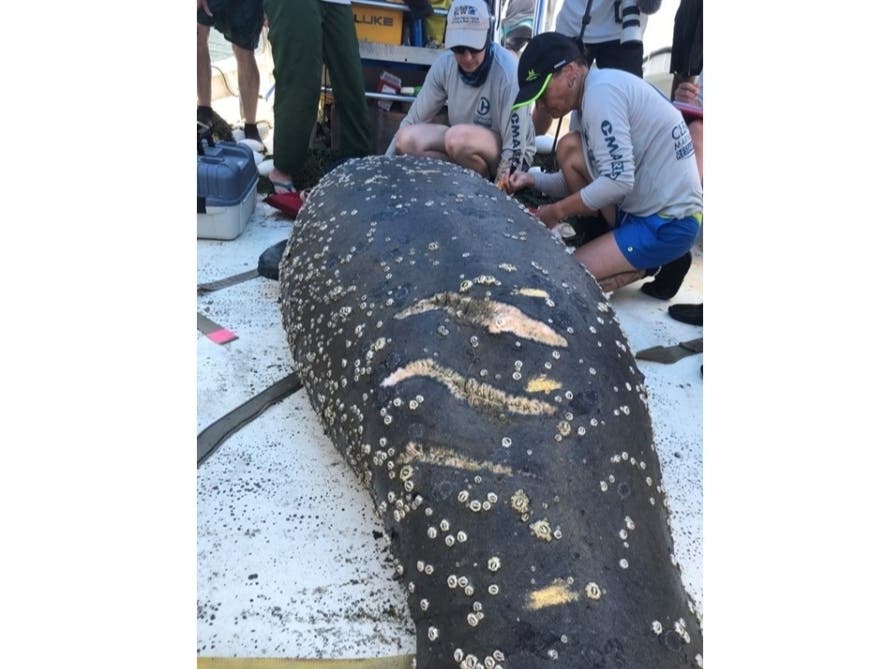
CLEARWATER, FL — Twenty-three years of data confirms humans are the biggest threat to the Antillean manatee.
Belize is the last stronghold for the Antillean manatee, a subspecies of the West Indian manatee found in Florida, but the mammal is facing a serious and emerging threat.
Data collected by the Belize Marine Mammal Stranding Network, which works in conjunction with the Clearwater Marine Aquarium Research Institute, found that collision with watercraft accounted for the main cause of manatee strandings over a 23-year period, from 1997 to 2019.
Find out what's happening in Clearwaterfor free with the latest updates from Patch.
Strandings refer to any dead, helpless, trapped or entangled marine mammal.
Prior to 1997, poaching for food was believed to be the main cause of manatee deaths. Since 2010, however, collisions with watercraft have increased from an annual average of 10 prior to 2010 to 25.
Find out what's happening in Clearwaterfor free with the latest updates from Patch.
The data also showed a strong and direct correlation between the number of stranded manatees with an increase in the number of tourists to Belize per year, especially in areas where boat traffic increased due to tourism.
See related stories:
- $3.5M To Go To Manatee Rehabilitation Pools At Clearwater Aquarium
- Baby Manatee's Life Saved By Clearwater Rescuers In Belize
Examinations of manatees during health assessments conducted since 1997 have also recorded an increase in non-lethal, boat-related scarring. Similarly, watercraft collisions are also the main cause of death of Florida manatees.
Population assessments and further research is necessary to determine the impact watercraft collisions are having on the species, according to the study.
The enforcement and implementation of boating regulations, like no wake zones, as well as public education and outreach, are recommended to reduce the threats to the species.
Rescue and rehabilitation programs have also proven to be effective long-term strategies for manatee conservation, and improving these efforts will help raise awareness of threats facing manatees, concluded the network's study.
Stranding networks, like the Marine Mammal Stranding Network in Belize, monitor threats to manatees and collect the long-term data needed to guide strategies for conservation. These networks and the data they collect will not only help manatee populations in Belize, but will help other countries sharing this genetic population recognize the threats facing the species.
In 1997, Clearwater Marine Aquarium President Dr. James “Buddy” Powell, Bob Bonde of the United States Geological Survey, Nicole Auil of the Belize Coastal Zone Management Authority and a Sea to Shore (now Clearwater Marine Aquarium Research Institute) associate research scientist, began the Belize manatee conservation project.
CMA Research Institute scientists and collaborators provide the data, expertise and scientific exchange that are used by the Belize government to establish sanctuaries, speed zones, laws and regulations that safeguard manatees.
Get more local news delivered straight to your inbox. Sign up for free Patch newsletters and alerts.