Health & Fitness
It’s June: Do you know where your fertilizer is running off to?
Pinellas' fertilizer ordinance is in effect for the summer.
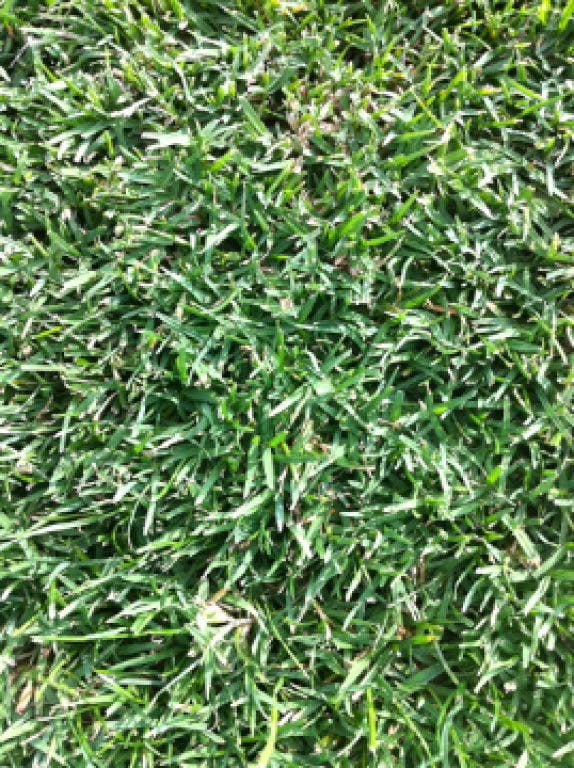
The rainy season this year started like clockwork: around midday on June 1, the skies quickly darkened and a deluge pounded our thirsty garden. The storm was a welcome respite from a very dry May and, of course, marked the start of the hurricane season. It also heralds the beginning of the county-wide fertilizer ordinance limiting the types of fertilizers we can use on our lawns and gardens from now until September 30.
So why do we need a fertilizer ordinance in Pinellas? Simply put, to protect our waterways and the animals, plants, and industries that rely on them. Our thumb-shaped peninsula of a county with the bay to the east and the gulf to the west is particularly vulnerable to the ravages of nitrogen and phosphorus contamination. Especially during the rainy season, the extra fertilizer we sprinkle in our yards has to go somewhere--and that somewhere is typically storm drains, ponds, creeks, rivers, and ultimately, Tampa Bay. Nitrogen run-off causes those icky algae blooms that are not only no fun to swim in, but can kill off fish, endanger other marine wildlife, and hurt water quality overall.
So before you rip open that fertilizer bag this summer, keep the following in mind:
Find out what's happening in Clearwaterfor free with the latest updates from Patch.
--Don’t use fertilizers containing nitrogen and/or phosphorous between June 1 and September 30.
--Don’t apply fertilizer if the weather forecast calls for severe thunderstorms, tropical storms, flooding, or more than two inches of rain during a 24-hour period.
Find out what's happening in Clearwaterfor free with the latest updates from Patch.
--Keep fertilizers off hard surfaces like driveways and sidewalks, and make sure that your spreaders don’t fling fertilizers onto these areas.
--Sweep up or compost any lawn clippings.
--Use leaves for mulch, compost them, or dispose of them in the trash.
--Be especially careful to keep a 10-foot buffer between a fertilized area and any wetland area or waterway.
Need more info? Pinellas County offers some comprehensive resources for residents: http://www.pinellascounty.org/environment/watershed/fertilizer.htm.
So don’t let your fertilizer run off and get into trouble. If we all adhere to the fertilizer ordinance, we can go a long way toward keeping our waterways clean.