Health & Fitness
Toss or Save a Financial Record...
Now that you have finished your tax return, how long should you keep all of those records? Keeping them forever could pose a security risk as these records contain personal and financial information.

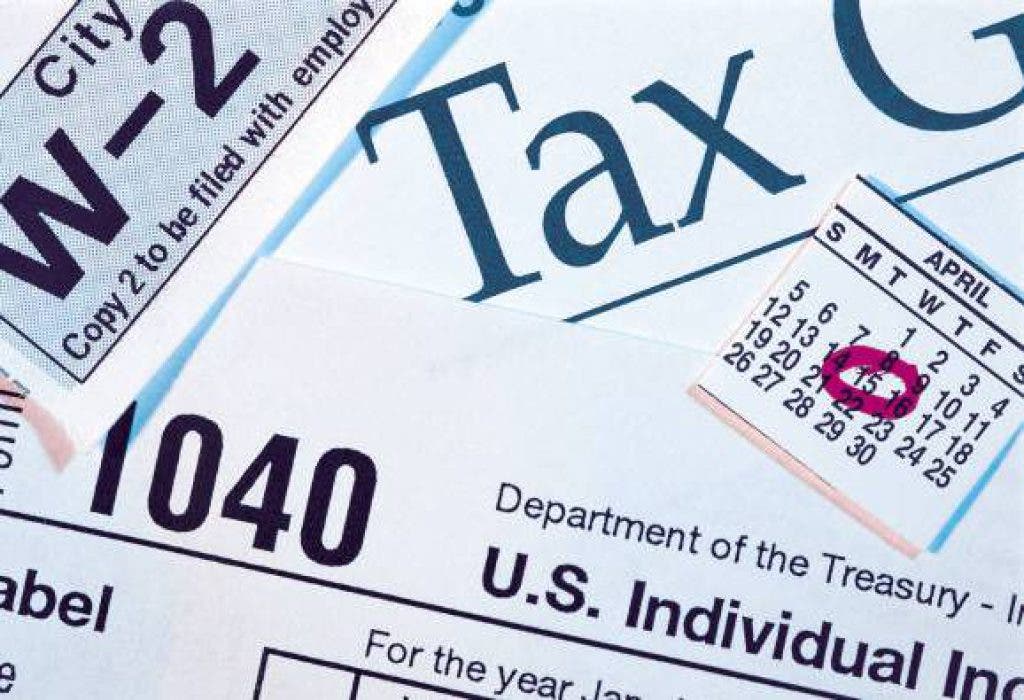
Clearwater, FL - Now that you have finished your tax return, how long should you keep all of those records? Keeping them forever could pose a security risk as these records contain personal and financial information. The question is which documents should you keep?
The Federal Deposit Insurance Corporation (FDIC) says it can’t tell you when it is safe to throw away financial documents. They do say to keep the information as long as the IRS can assess you additional taxes. Right now, that is approximately seven years. Laws change. Always check with your CPA for the latest laws.
Credit Card Statements: FDIC says to save the statements for one year, unless they have tax significance. I save mine for seven years if I have purchased a big item. If there is a fire or other disaster that affects my personal property, I can prove to the insurance company and/or the IRS that I did have the item and how much it was worth at time of purchase.
Bank Account Statements: Check with your financial institution and determine how far back they keep statements available to you.
Canceled Checks: Again if purchases are tax related, keep canceled checks seven years. If they are related to your house purchase, renovations or big items that you purchased, I keep the canceled checks in a file just for those things --- and keep them indefinitely. If I sell the house, I will keep them seven years longer.
Banks are required to keep copies of checks for seven years.
Deposit, ATM, credit card and debit card receipts: FDIC reminds us to save them until the transaction appears on a statement and you know the amount is correct. If it is for a big item and it has a warranty, save the receipt at least until the warranty is up. Remember, you might want to save it longer for insurance and/or IRS reasons, if there is a disaster.
Electronic Records: Make sure you back up your data. Technology is always changing. Make sure you are using a method that is safe and allows the information to be easily retrieved.
To check the reliability of a company and find trustworthy businesses, visit BBB.org.
For more consumer tips visit BBB's News Center and like us on Facebook to stay up-to-date on the latest facebook.com/westfloridabbb.
BBB is an unbiased non-profit organization that sets and upholds high standards for fair and honest business behavior. Businesses that earn BBB accreditation contractually agree and adhere to the organization’s high standards of ethical business behavior. BBB provides objective advice, free BBB Business Reviews® and BBB Wise Giving Reports®, and educational information on topics affecting marketplace trust. To further promote trust, BBB also offers complaint and dispute resolution support for consumers and businesses when there is a difference in viewpoints. The first BBB was founded in 1912. Today, 114 BBBs serve communities across the U.S. and Canada, evaluating and monitoring more than three million local and national businesses and charities.