Weather
Coast Guard Declares Port Condition Zulu For Port Of Tampa
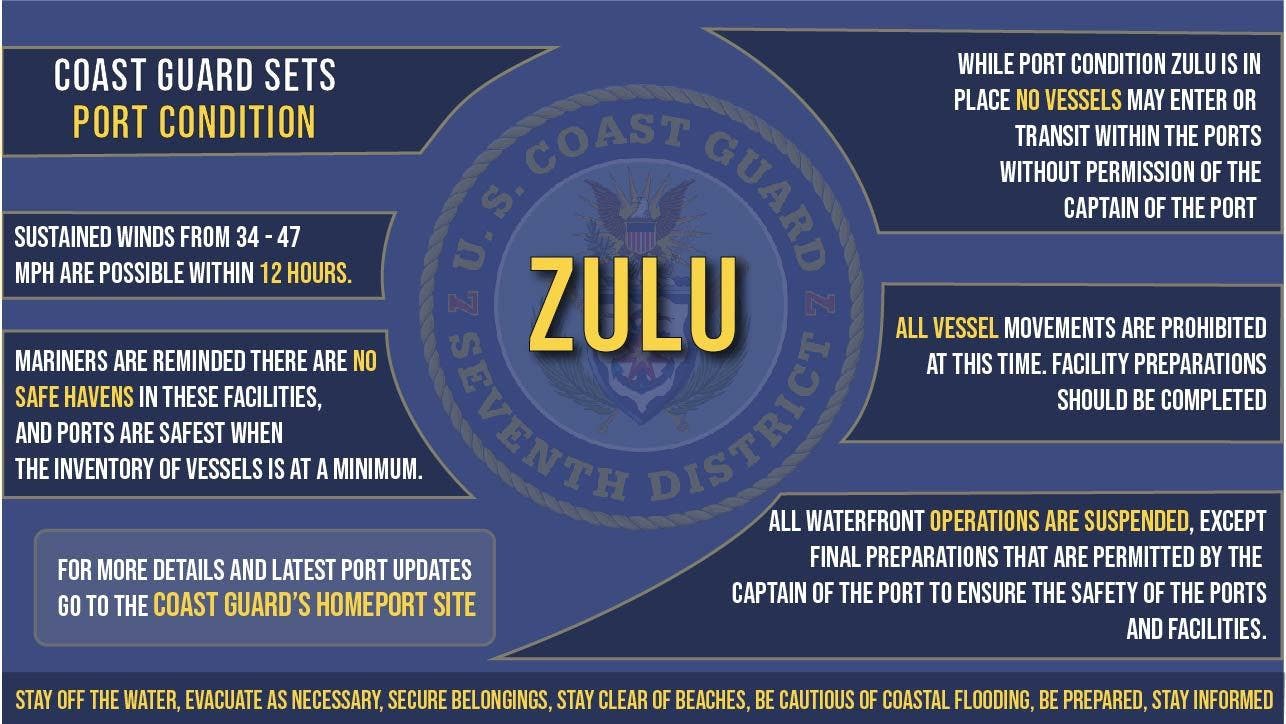
Under Port Condition Zulu, no vessels may enter or move within these ports without permission of the Captain of the Port.


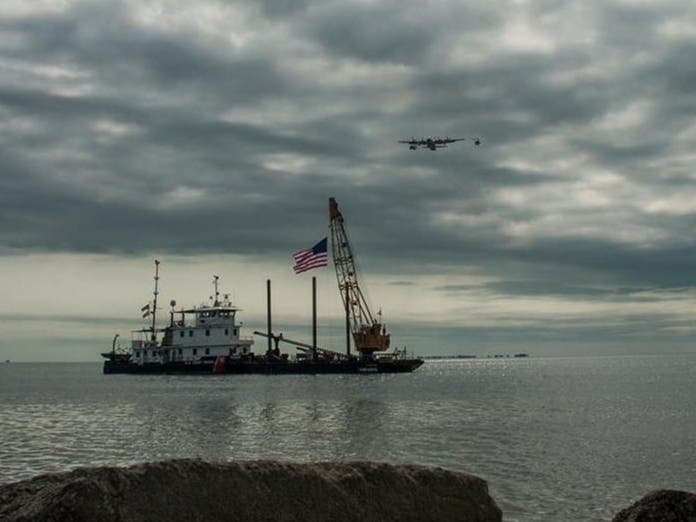
TAMPA BAY, FL — Effective Tuesday at midnight, the Coast Guard will declare Port Condition Zulu for the ports of Tampa, St. Petersburg, Manatee and Ft. Myers due to the expectation of sustained gale force winds of 34 to 47 mph or higher from Tropical Storm Elsa.
While port condition Zulu is in place, no vessels may enter or move within these ports without permission of the Captain of the Port.
The COTP may require additional precautions to ensure the safety of the ports and waterways.
Find out what's happening in Clearwaterfor free with the latest updates from Patch.
Drawbridges in the area may cease operations prior to the anticipated arrival of sustained gale force winds or when an evacuation is in progress. During lock-down, the bridge is closed,
power is turned off, traffic arms may be removed, the control house is secured and the bridge operator is sent to safety.
Mariners can view the latest port updates on the Coast Guard’s Homeport site.
Find out what's happening in Clearwaterfor free with the latest updates from Patch.
Port conditions are set by the Captain of the Port and are used to alert the maritime community to changes in port operations needed to prepare for a storm's arrival.
Port Condition Whiskey is the first alert issued, followed as needed by Port Condition X-Ray, Port Condition Yankee and Port Condition Zulu when the ports are closed to all boat traffic.
Stay tuned to Patch for updates on Tropical Storm Elsa. Subscribe to your local Patch newsletter. You can also have them delivered to your phone screen by downloading from iTunes, or by visiting the Google Play store.
The Coast Guard says the owners of Florida's estimated 100,000 registered recreational boats should:
- Stay off the water. The Coast Guard’s ability to conduct search-and-rescue missions degrades as storm conditions strengthen so help for boaters may be delayed. Boaters should heed weather watches, warnings and small craft advisories.
- Evacuate as necessary. If mandatory evacuations are set for an area, Coast Guard personnel and other emergency responders may not be able to evacuate or rescue those in danger during the storm.
- Secure belongings. Owners of large boats are urged to move their vessels to inland marinas where they will be less vulnerable to breaking free of their moorings or sustaining damage. Boats that can be towed on trailers should be pulled from the water and stored in a place that is not prone to flooding. Those who are leaving their boats in the water should secure life jackets and dinghies and remove all emergency radio beacons.
- Stay clear of beaches. Wave heights and currents typically increase before a storm makes landfall. Even the best swimmers can fall victim to the strong waves and rip currents caused by hurricanes. Swimmers should stay clear of beaches until lifeguards and law enforcement officials say the water is safe.
- Be prepared.
- Stay informed. The public should monitor the progress and strength of the storm through local television, radio and Internet. Boaters can monitor the storm's progress and get small craft advisories and warnings on VHF radio channel 16.
See related stories:
- Elsa Could Reach Hurricane Strength Before Landfall In Florida
- Tropical Storm Warning Issued For Tampa Bay As TS Elsa Nears
- Upgraded To Hurricane Elsa Friday, All Florida Lies In Path
Get more local news delivered straight to your inbox. Sign up for free Patch newsletters and alerts.