Home & Garden
Photos: Florida's Top 10 Creepiest Crawlers
The invasive critters are not only scary to behold, they threaten the state's agricultural industry.




Halloween may only come once a year, but Florida’s creepiest crawlers wreak havoc no matter the season.
In an effort to raise awareness about the influx of invasive species, the Florida Department of Agriculture and Consumer Services released a Top 10 list of the state’s most disturbing creepy crawlers in time for Halloween. All 10 of the critters on the list happen to be invasive and most are known to be destructive, as well.
“In addition to threatening Florida’s $123 billion agricultural industry, and the more than 2 million jobs it supports, pests post a serious risk to commerce, the environment, public health and the food supply,” the department pointed out.
The agency noted that, on average, a new invasive pest is introduced into the Florida environment at least once a month. And, “that trend will only increase with the continued rise of global commerce and travel.”
The Top 10 list of invasive crawlers includes:
- Love bugs – These invasive critters are mostly harmless, but they do create a terrible mess on automobiles when they appear.
- Florida whitefly – This invasive species is found mainly in south Florida. It feeds on the underside of leaves and can kill plants. It favors the ficus and also produces a gooey substance that is a mess to clean up, the department noted.
- Redbay ambrosia beetle – This beetle is responsible for spreading the fungus that creates laurel wilt. The fungus threatens the state’s avocado industry.
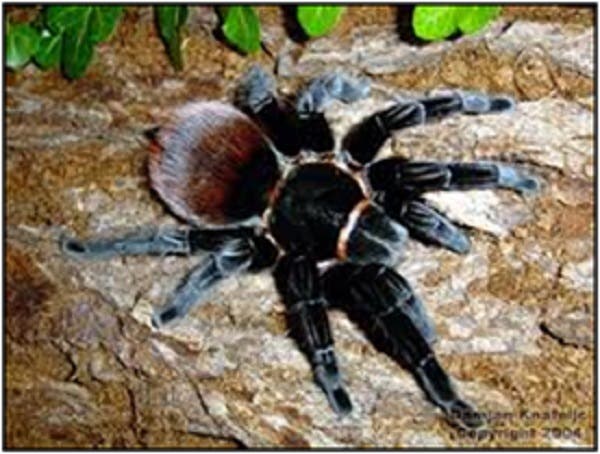
- Mexican red-rump tarantula – This sizeable spider eats snakes, lizards and frogs. So far, people have not been on the menu.
- Brown recluse spider – Recluses have a bite that can produce necrosis in the skin that may also lead to severe pain and swelling. The most dangerous type, the Chilean recluse, has been found in Central Florida.
- Africanized honey bee – These critters are more aggressive than their standard honey bee counterparts. They’ve been known to cause injuries and some deaths in animals and humans.
- Conehead termite – This creepy crawly is found only in Broward County. It eats wood, of course, and is blamed for widespread damage to buildings it manages to invade.
- Giant African land snail – Known as GALS for short, this invasive critter carries disease and also eats more than 500 different types of plants. GALS have been known to have a taste for stucco, too.
- Oriental fruit fly – This major pest is known to eat more than 430 different types of fruits, vegetables and nuts. A state of agricultural emergency has been declared in Miami-Dade County thanks to this critter.
- Asian Citrus Psyllid – This very tiny bug goes after citrus trees and is responsible for the citrus greening virus. Greening has been found in the majority of the state’s groves and in all citrus-producing counties, the department notes.
To find out more, visit the department online at www.FreshFromFlorida.com.
Photo credit: Courtesy of the Florida Department of Agriculture and Consumer Services – Mexican red rump tarantula (1), Asian citrus psyllid (2), Oriental fruit fly (3), giant African land snail (4), Africanized honey bee (5), conehead termite (6), brown recluse spider (7), Florida whitefly (8), Redbay ambrosia beetle (9), love bug (10)
Get more local news delivered straight to your inbox. Sign up for free Patch newsletters and alerts.