Community Corner
Video: Aquarium Spots 1st Endangered Right Whale Calf Of Season
There are only about 400 North Atlantic right whales in the world.


CLEARWATER, FL — On Monday, the Clearwater Marine Aquarium's aerial surveillance team spotted the first North Atlantic right whale calf of the season off the coast of Georgia.
Scientists have identified the mom by her number in the New England Aquarium Right Whale catalog as No. 3560. Born in 2005, she is known to biologists and is a first-time mom.
This is an important time for endangered right whale moms to bond with their calves. The aquarium is urging boaters to stay at least 500 yards away and report sightings to 877-WHALE-HELP (877-942-5343).
Find out what's happening in Clearwaterfor free with the latest updates from Patch.
The North Atlantic right whale, Eubalaena glacialis, is one of the most endangered marine animals in the ocean. Only about 400 whales are estimated to be left in the population. They are federally protected under the Endangered Species Act and the Marine Mammal Protection Act, and they are listed as endangered by the International Union for Conservation of Nature.
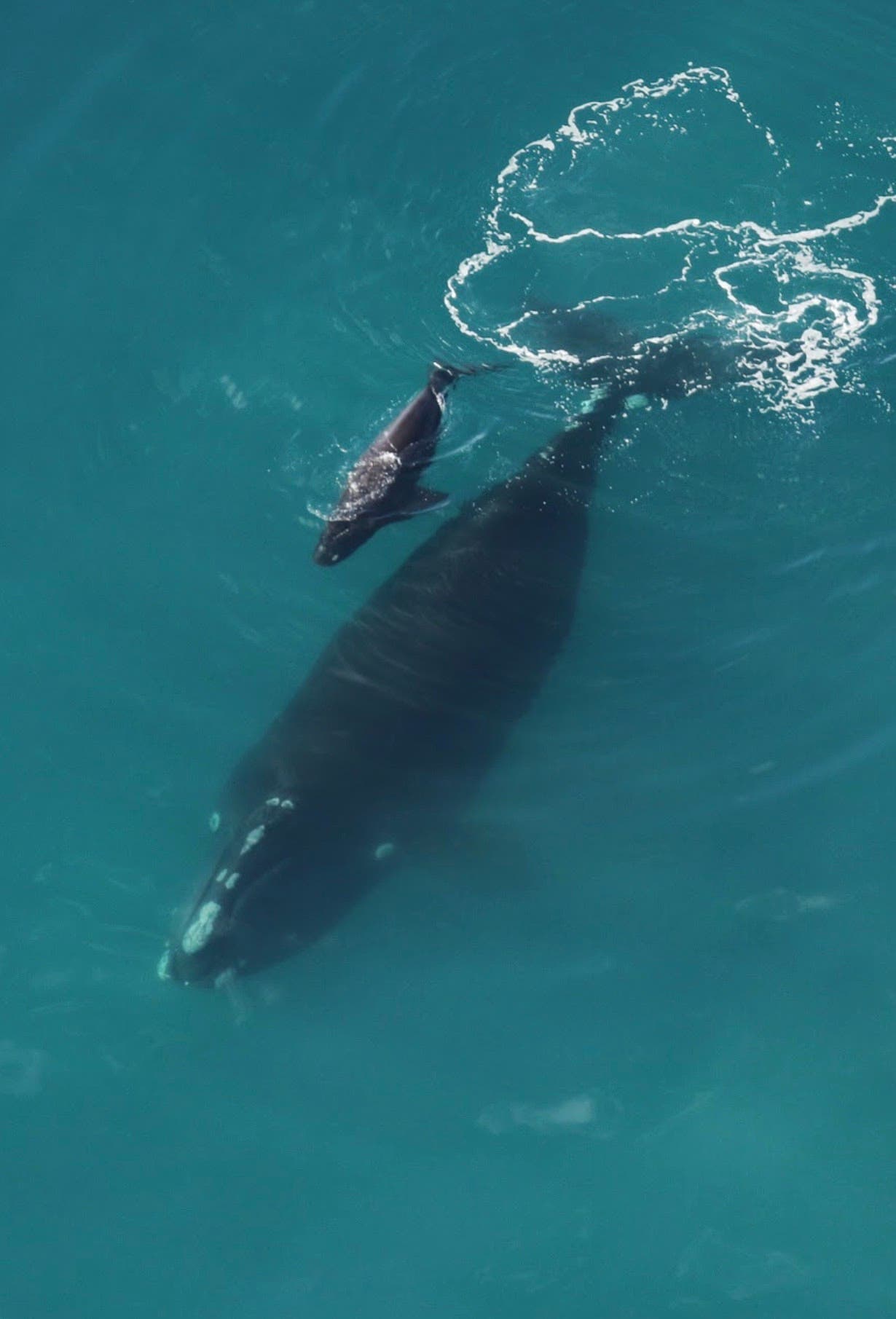
CMA
Find out what's happening in Clearwaterfor free with the latest updates from Patch.
Right whales were once found throughout the North Atlantic Ocean, and they were prized by early whalers due to their slow swimming speeds, coastal habitat use and thick blubber. They were deemed the “right” whale to hunt, thus the name. By the early 1700s, right whale numbers were so reduced that they were no longer of economic importance.
Recovery of the species has been slow for multiple reasons, including a slow reproductive rate and threats from human-related activities, including collisions with ships and entanglement in fishing gear. The busy eastern seaboard where the right whale lives contains large ports and experiences heavy volumes of cargo ship traffic as well as extensive use by fisherman and others making their living from the sea.
CMA Right Whale Conservation Program
The CMA Right Whale Conservation Program actively monitors right whales during calving season through aerial surveys designed to mitigate ship collisions and document reproductive rates; provides scientific data to marine decision-makers on conserving the species; provides assistance during disentanglement events, carcass recovery and necropsies; assists with the collection of genetic material; and participates in tagging projects.
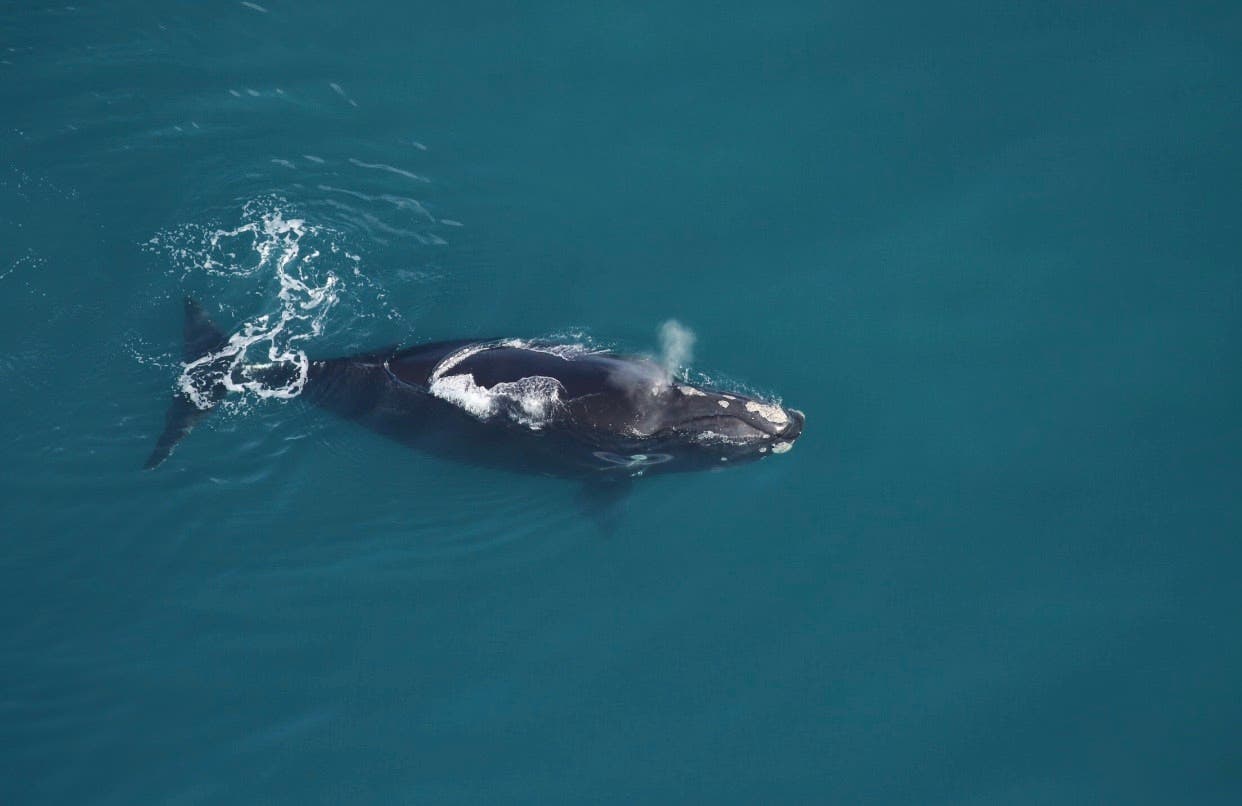
CMA
Additionally, CMA researchers has been active on the management and conservation side of the issue through participation in the NOAA Large Whale Take Reduction Team, the Southeast U.S. Implementation Team for the Recovery of the North Atlantic Right Whale, Ship Strike Reduction teams, and distribution of long-term monitoring data to management agencies for help in determining appropriate boundaries of critical habitats, speed zones and other protection measures.
The main right whale research project consists of a right whale “Early Warning System." The winter calving grounds off the southeastern U.S., an area designated as critical habitat for right whales in 1994, include numerous major shipping ports that increase the potential for ship-whale conflicts every day during the calving season. In an effort to minimize the risk of collision with right whales, the EWS was created to alert military and commercial vessels in the area to the presence of right whales.
Get more local news delivered straight to your inbox. Sign up for free Patch newsletters and alerts.