Community Corner
Pinellas County: Sea Turtle Nesting Season Begins May 1
Most of the county's beach communities have ordinances prohibiting lighting that casts glare onto the beach during this time.
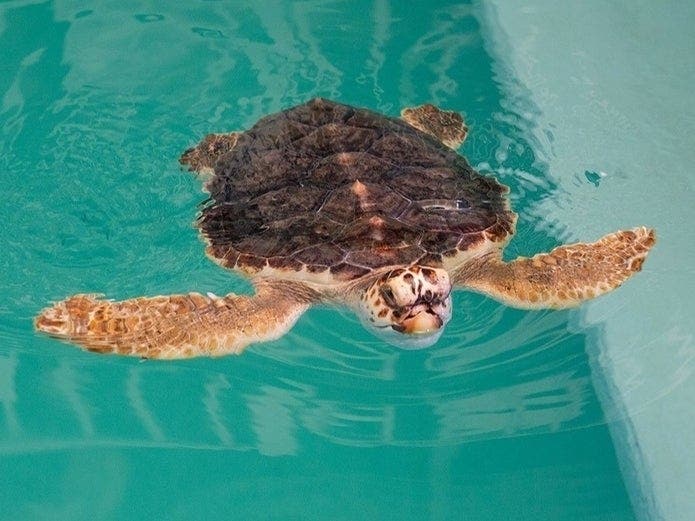
PINELLAS COUNTY, FL — Sea turtle nesting season begins on Saturday, May 1, and Pinellas County is reminding residents and visitors to do their part to help protect adult and hatchling sea turtles as they nest on beaches.
During nesting season, which runs through Oct. 31, beach community residents and beach visitors should do the following:
- Turn off outside lights, close curtains and avoid using flashlights or fishing lamps on the beach.
- Remove obstacles such as sandcastles or sandpits that may interfere with nesting sea turtles or make it too difficult for hatchlings to make their way to the shoreline.
- Keep the beach clean. Eliminate trash items that may entangle baby hatchlings and adult turtles.
- Do not approach or harass adult or baby turtles.
- If residents spot turtle tracks or a possible nest, and it does not appear to be protected by stakes or ribbon, call 1-888-404-3922.
- For residents who own or live in beachside properties, make sure lighting is turtle-friendly. The Florida Fish and Wildlife Conservation Commission (FWC)’s sea turtle lighting guidelines can be found at bit.ly/sea-turtle-lighting.
Loggerheads are the most common sea turtle to nest in Pinellas County, and females generally nest from early May through August. The eggs in each nest typically hatch 50 to 60 days after they are laid.
Find out what's happening in Dunedinfor free with the latest updates from Patch.
The Clearwater Marine Aquarium monitors the beaches from Clearwater Beach through Treasure Island, and Sea Turtle Trackers monitors the beaches of St. Pete Beach, Shell Key and Outback. Honeymoon Island State Park rangers monitor the nests there.
Staff members conduct early-morning patrols to locate new nesting sites. Residents should not pick up hatchlings heading toward the water, shine lights or use photo equipment with a flash. Hatchlings use starlight and moonlight reflecting off the water to find their way to the ocean, and if they become misled by artificial light, they can become disoriented and die.
Find out what's happening in Dunedinfor free with the latest updates from Patch.
Besides checking the beaches every morning for signs of new nests, staff mark the nests and tape them off to avoid human disturbance. As endangered and threatened species, Kemp’s Ridley and Loggerhead turtles are protected under state and federal law, and disturbing them, their nests or even a dead turtle is illegal.
To report the disturbance of a sea turtle nest, or report the sightings of turtles that are dead, lost, stranded or wandering in the street, call the Florida Fish and Wildlife Conservation Commission (FWC) Division of Law Enforcement at 1-888-404-3922 or dial *FWC from a cell phone. Residents can also report these sightings on the FWC website at bit.ly/turtle-report.
Most of Pinellas County’s beach communities have ordinances prohibiting lighting that casts glare onto the beach during turtle nesting season. By obeying the law and following some simple guidelines, residents and visitors can greatly improve the chances of sea turtle survival.
This press release was produced by the Pinellas County Government. The views expressed here are the author’s own.