Community Corner
Today’s Aviation Schools Are Setting New Standards for Flight Training
The innovations embraced by some of today's aviation schools are raising the bar for the rest of the industry.
This is a paid post contributed by a Patch Community Partner. The views expressed in this post are the author's own, and the information presented has not been verified by Patch
Flight training is evolving beyond tradition into hybrid programs backed by digital technology. Today's aviation schools are setting new standards for flight training, and tech-forward schools are embracing the innovations driving that change.
Flexible Training
Some flight schools offer both Part 61 and Part 141, two federal rule sets that lead to the same Federal Aviation Administration pilot certificates.
While Part 61 offers flexibility at a slower pace for working professionals, Part 141 suits full-time, career-focused students who prefer a structured training program and a syllabus. Schools offering both widen the routes new pilots can take to a license.
Glass Cockpits
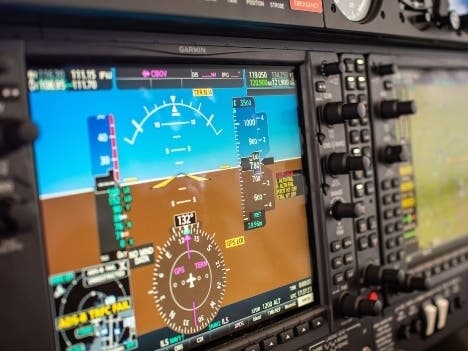
Glass cockpits are replacing the mechanical dials and steam gauges of older aircraft, featuring a standard configuration of primary flight and multifunction displays on the captain’s and first officer’s side of the deck.
Because they are increasingly common in new aircraft, training on them can prepare students for the technology they may fly throughout their careers. Schools that equip or retrofit aircraft with glass cockpits are also modernizing their fleets to support student learning.
Virtual Reality Simulation
Virtual reality (VR)-based preflight and procedural training gives students a way to rehearse checklists, cockpit familiarization and radio communication before stepping into an aircraft, which can cut costly in-air learning time. VR simulation rigs can also make instruction safer, more affordable and more accessible.
A 2024 study found that novice individuals performed simulated flight tasks better using VR than a desktop.
3 Flight Schools Putting These Innovations Into Practice
These three organizations demonstrate how to put flexible training, glass cockpits and VR simulation to work.
1. Paragon Flight Training Co.
Paragon Flight Training Co. is one of the aviation schools setting the standards for flight training by offering one-on-one instruction and flexible pacing with accelerated options. The organization has a 78% completion rate and a 90% first-time pass rate. Each student begins with a consultation that shapes a personal plan, and flexible pacing keeps progress on track.
Key Features
- Two pathways: Students can follow either Part 61 or Part 141, depending on their goals.
- Modern fleet: Technically Advanced Aircraft and high-end flight simulators support hands-on and simulated training.
- Minimal delays: A standardized fleet, great weather and dedicated maintenance technicians keep training on schedule.
2. M2A Aviation Academy
AtM2A Aviation Academy, students train in aircraft equipped with Garmin and Aspen glass-cockpit avionics, digital screens similar to those used by commercial airlines. Led by Certified Flight Instructors (CFIs), the programs foster a mentorship-driven culture built on professional relationships.
Key Features
- In-house maintenance: On-site maintenance helps limit common delays.
- Nearby housing: Fully furnished accommodations sit five minutes from the site.
- Career pathway: CFI employment may be available to top-performing graduates.
3. Accelerated Pilot
Specializing in VR flight training,Accelerated Pilot partners with an aviation school for in-aircraft lessons. Its VR-first model has students master maneuvers in a home virtual cockpit, where many repetitions are possible, before moving into the aircraft.
Key Features
- Four courses: The curriculum covers the path from first VR flight to commercial pilot.
- Self-paced training: Students can work with a CFI from anywhere at their own pace.
- Forgiving environment: VR practice carries less aircraft risk, so mistakes may be easier to learn from.
An Overview of Flight Schools Leading the Way
Learn about the fleet sizes of Paragon Flight Training Co., M2A Aviation Academy and Accelerated Pilot, and where their students can take in-aircraft training.
| School | Flight Training Locations | Fleet Size |
| Paragon Flight Training Co. | Fort Myers and Punta Gorda, Florida, and LaGrange, Georgia | 38 |
| M2A Aviation Academy | Pikeville, North Carolina | 11 |
| Accelerated Pilot | Lincoln Park, New Jersey | Unspecified |
Frequently Asked Questions
Aspiring aviators often ask these questions about innovations in flight training.
Q: How does flexible training improve student outcomes in flight school?
A: Flexible training options improve student outcomes in flight school by allowing aspiring pilots to learn at a pace that aligns with their circumstances and goals.
Q: What is the benefit of training in aircraft with a glass cockpit?
A: The primary benefit of training in aircraft with glass cockpits is that it prepares students for the latest flight deck designs, as digital screens are becoming increasingly common in aviation.
Q: How is VR changing the way student pilots train?
A: VR is changing how student pilots train by allowing them to refine maneuvers ahead of aircraft time, providing a more convenient and safer way to develop flying skills.
Raising the Bar for the Aviation Industry
Across the aviation industry, schools are adopting new tools that make training safer and more convenient. Flexible programs, glass cockpit flight decks and VR simulation each play a part, and the schools putting them to work may inspire others to adopt better practices for the benefit of future pilots.
This post is an advertorial piece contributed by a Patch Community Partner, a local brand partner. To learn more, click here.