Health & Fitness
Teaching Your Dog Respect, Compliance, Deference
We talk about teaching your dog to defer to you.
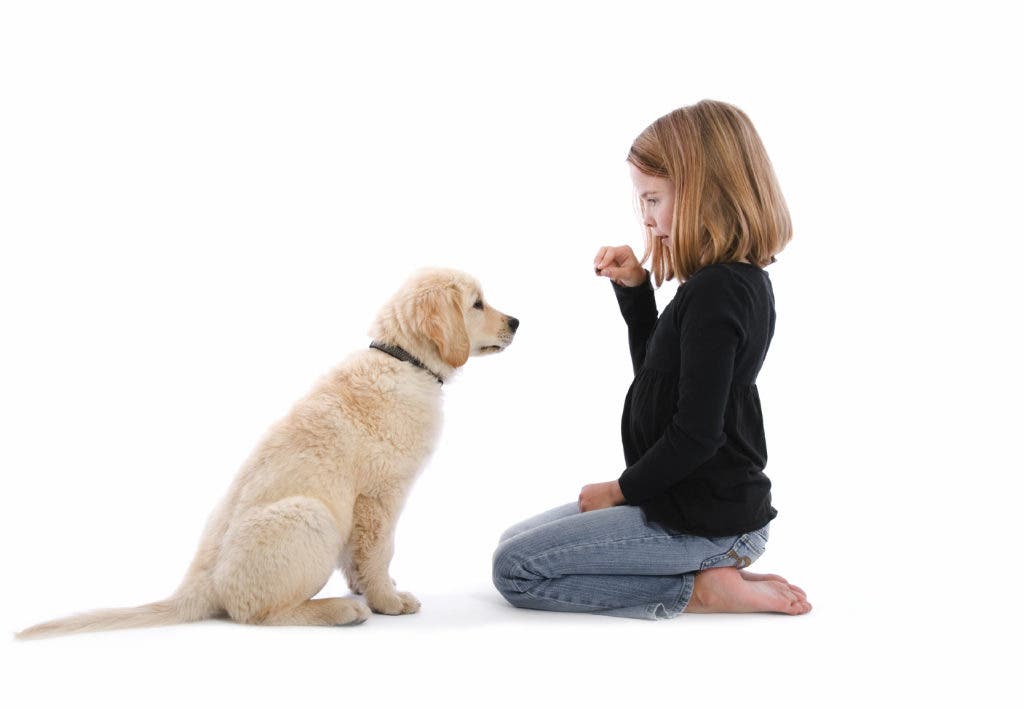

In previous posts we touched on the concept of deference, in this post we'll delve into the subject and start explaining the training.
It won't come as a surprise to you that the social system of the dog is very similar to that of humans. They live in extended family groups, they have extended parental care, they work as a group to help care for offspring, they nurse their young before feeding them semisolid, then solid food. Dogs use play as a form of developing social skills, they communicate extensively vocally and non-vocally, and, most important, they have a social system that is based on deference to others. To use the dictionary definition, out of respect for; in consideration of others.
Although much has been written about dogs viewing their human families as a pack, we know today this isn't quite true. However, dogs are social and generally look to their people for guidance. Problems develop when they cease to do this or if they never do this, so teaching deference is key to preventing such problems and in treating all forms of behavioral problems.
Find out what's happening in Gulfportfor free with the latest updates from Patch.
The first step is to teach your dog that it must consistently defer to you to receive attention, receive something or to get access to something it wants. Deferring in this context can mean a couple of different things. It can mean offering a behavior such as sitting or lying down, or just as importantly, making eye contact. I can't emphasize enough the importance of good eye contact. If there were only one thing I wanted you to remember, it would be this: Whatever your dog is looking at, is what he/she is thinking about. So if they are looking at the squirrel or the yapping dog across the street, they are not thinking about you or what you want despite your yelling, pulling on the leash, or talking to their butt.
We'll go into more detail in the next posting, but in the meantime, start thinking about all your interactions with your dog everyday. Feeding, loving, going out/coming in, playing, getting on the bed or couch with you. Is your dog politely asking for something or taking it? Think about the times you're talking, reading, or watching television and your dog comes up and rubs, paws, or leans against you, most of us usually passively reach out and touch or pet the dog. What are we teaching them?