Community Corner
Can We Live Without Plastic?
Over the past 25 years 7,825,319 plastic bags were removed from oceans, rivers and lakes.
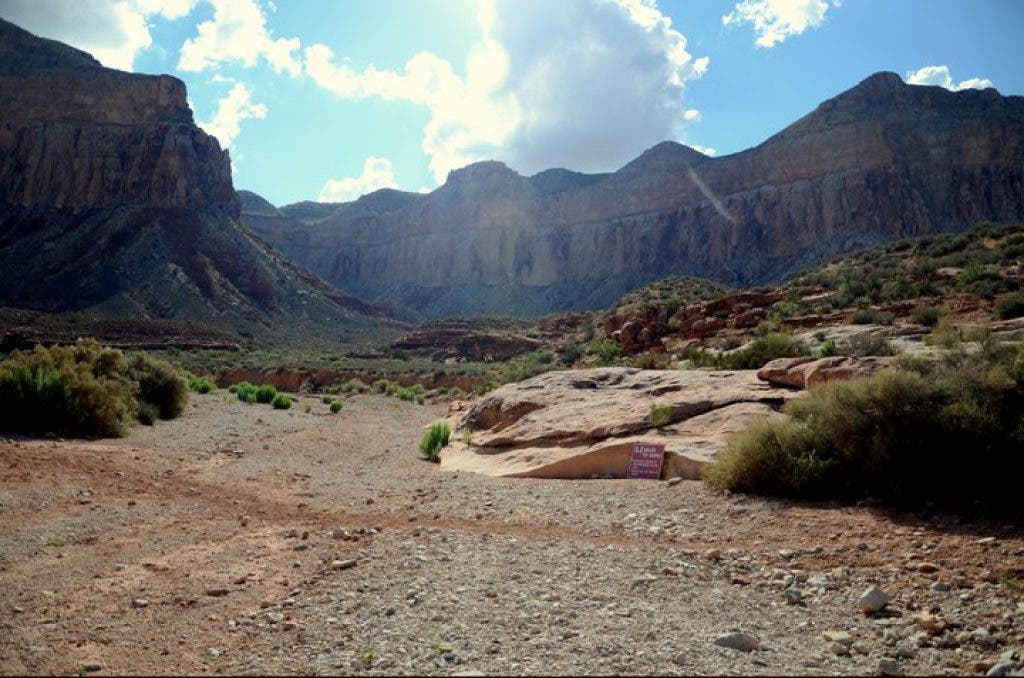

Hiking in the desert I discovered an unfortunate truth: There is more out there than just land and native wildlife. The number of plastics littering the canyon sides is atrocious and unfortunately too much for one hiker to carry away.
It dawned on me that a majority of people purchase plastic water bottles, plastic soda bottles, plastic forks, spoons and knives because they're easy and affordable. But the cost to the ecosystem hardly seems worth it.
Nowadays, as we venture outdoors, pause in awe of the nature around us, and scan the horizon, all too often we see plastic bags hanging from trees or plastic cups blowing in the wind or bottles littering the mountain sides, canyon lands and even city sidewalks.
Plastics are the most common debris type in our landfills.
Every year, Ocean Conservancy gathers data on types of debris collected worldwide in a single day. Over the past 25 years 9,549,156 plastic beverage bottles were collected along oceans, rivers and lakes while 957,975 six pack holders and 7,825,319 plastic bags were identified and removed. In 2010, in a single day, there were 21 amphibians, birds, corals/ sponges, fish, invertebrates, mammals and reptiles entangled by beverage bottles, 76 entangled by plastic bags and 148 by fishing line. These numbers represent only a fraction of the amount of wildlife entangled each year by deadly plastics.
Those of us concerned about the environment are aware of the dangers of plastics. Outdoor enthusiasts and eco-conscious individuals not only notice garbage but appreciate it when others try to minimize plastic consumption. So how can we all play a part in this minimization effort?
Plastic bags are one of the biggest contributors to the problem.
Find out what's happening in Gulfportfor free with the latest updates from Patch.
Single-use plastic grocery bags are the most widely distributed product in the world and not only do they take more than 600 years to photo-degrade, they are also made from petroleum, a nonrenewable resource. If we wish to minimize our dependency on oil, minimizing our use of plastic bags is one first step.
In addition, plastic bags are easily captured by the wind and deposited in streams, storm drains and inevitably our oceans and rivers. Here, they become the biggest threat to our precious resources.
Because plastic bags are non-biodegradable, over time they simply break down in to their original molecular form making it hard for marine life to see and therefore easier to ingest. Sea turtles often mistake plastic bags for moon jellyfish (their favorite food) while other sea life become entangled and die from suffocation.
One of the easiest ways to stop this problem is to bring reusable bags to the store rather than getting single-use plastic ones at the checkout line. If you do get a bag at the checkout, paper bags are a decent option and can be reused in compost. Also, more and more stores are selling reusable bags at the checkout counter for a very low price. If you've forgotten yours, you can never have too many!
As the Native American proverb goes, “We do not inherit the earth from our ancestors; we borrow it from our children.” Let us begin now to rid our lives of plastic and preserve the land we love for its intrinsic value and for the betterment of our future.
Find out what's happening in Gulfportfor free with the latest updates from Patch.
For more information on reusable bags follow these links:
For more information on biodegradable silverware follow this link:
For more information on reusable water bottles (BPA FREE) follow this link:
For more information on bidegradable garbage bags follow this link: