Politics & Government
Health Officials Stress Mosquito Awareness
4 More Sentinel Chickens Test Positive for St. Louis Encephalitis in Pinellas County.


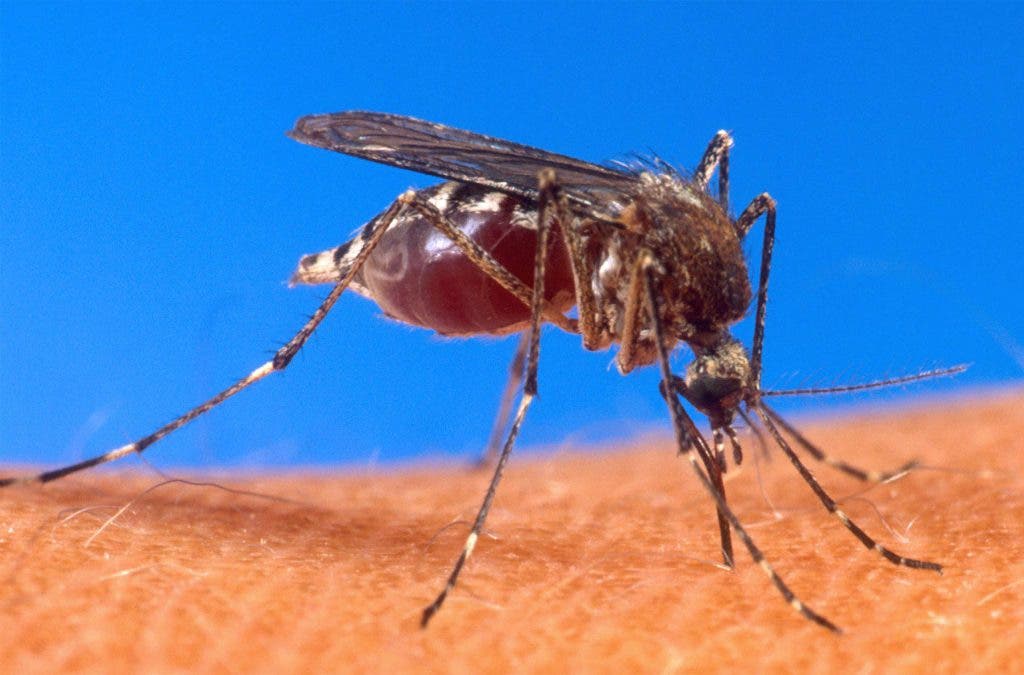
Pinellas County Health Officials are asking people to be extra vigilant when it comes to protecting themselves against mosquitoes.
Four more sentinel chickens have tested positive for St. Louis Encephalitis, bringing the total number of infected chickens in the county to nine.
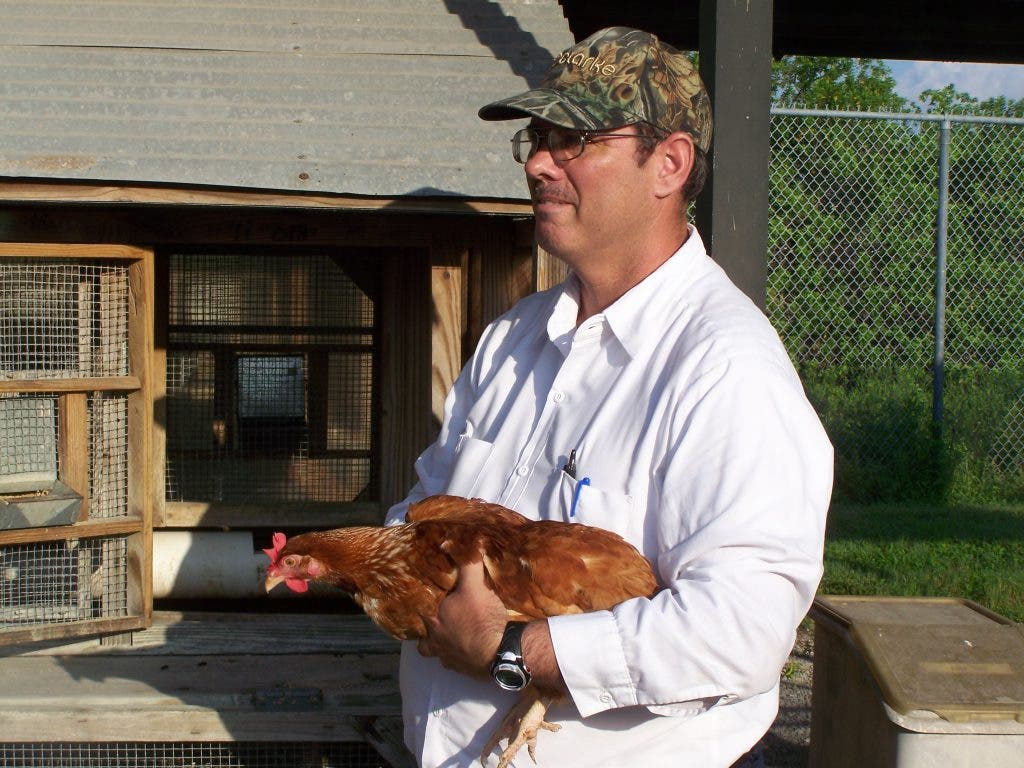
Sentinel chickens are kept in eight locations throughout the county and are tested weekly for signs of arboviral diseases caused by mosquito bites.
Find out what's happening in Gulfportfor free with the latest updates from Patch.
County officials say the chickens serve as an early-warning detection system, letting them know when mosquitoes that carry diseases are in Pinellas County.
The locations where chickens recently tested positive are-
Find out what's happening in Gulfportfor free with the latest updates from Patch.
- 2 in Oldsmar
- 1 in Tarpon Springs
- 1 in Seminole
The locations where the chickens previously tested positive are-
- 1 in St. Petersburg
- 2 in Palm Harbor
- 2 in Seminole
Maggie Hall with the Pinellas County Health Department says they test the chickens for four mosquito borne diseases; St. Louis Encephalitis, Eastern Equine Encephalitis (EEE), West Nile Virus and LaCrosse Encephalitis. She says in 2010, there were no human cases of the diseases thought to have originated in Pinellas County. The same is true, so far this year.
However, the diseases can be deadly to humans. The Centers for Disease Control (CDC) says so far this year in Florida, there have been 12 reported cases of West Nile Virus in humans; two were deadly. The CDC says people of all ages can become ill with West Nile Virus, but the risk of severe illness and death is highest for people over 50 years-old.
Pinellas County Mosquito Control Crews are working to lower the mosquito population by using helicopters and trucks to treat the areas. Trucks are being dispatched five nights a week.
Local health officials suggest Pinellas County residents take precautions to stay safe, "A lot of it is what we should be practicing year-round," says Hall. She suggests using a repellent that contains DEET. Hall says there are also alternatives to the DEET pesticides. If this is something you might want to consider, Gulfprot Patch found some DEET alternatives recommended by the CDC.
For more information on preventing bug bites, check out "Don't Scratch That Bug Bite" on Gulfport Patch.
Hall also recommends that people avoid being outside at dusk and dawn when mosquitoes are feeding, "Mosquitoes hate being out in the full sun." If you have to be outside at dawn or dusk, the Florida Department of Health recommends dressing in light colors and wearing loose fitting clothing that covers the arms and legs.
Another thing to consider, Hall says mosquitoes may be where you live and you may not even know it, "Look at your property to see where mosquitoes could collect, they can breed in 1/4" of standing water."
Some precautions you can take around your home-
- Empty water from old tires, flowerpots, garbage can lids, recycling containers, boat tarps and buckets. Eliminate standing water near plumbing drains, air conditioner drips, septic tanks or rain gutters.
- Flush birdbaths and wading pools weekly. Flush bromeliads twice weekly or treat with a biological larvicide.
- Change the water in outdoor pet dishes daily.
- Keep pools adequately chlorinated.
- Stock ornamental ponds with mosquito-eating gambusia fish.
- Cover rain barrels with fine mesh screening.
- Repair rips or tears in door and window screens.
More resources for keeping you and your family safe-
Pinellas County Mosquito Control
Pinellas County Mosquito Control (727) 464-7503
Pinellas County Government news video about preventing the spread of mosquitoes in your home.
Get more local news delivered straight to your inbox. Sign up for free Patch newsletters and alerts.