Community Corner
Heat Exposure: How to Keep Your Cool
Know the risk factors for heat exposure and try these tips for keeping cool.
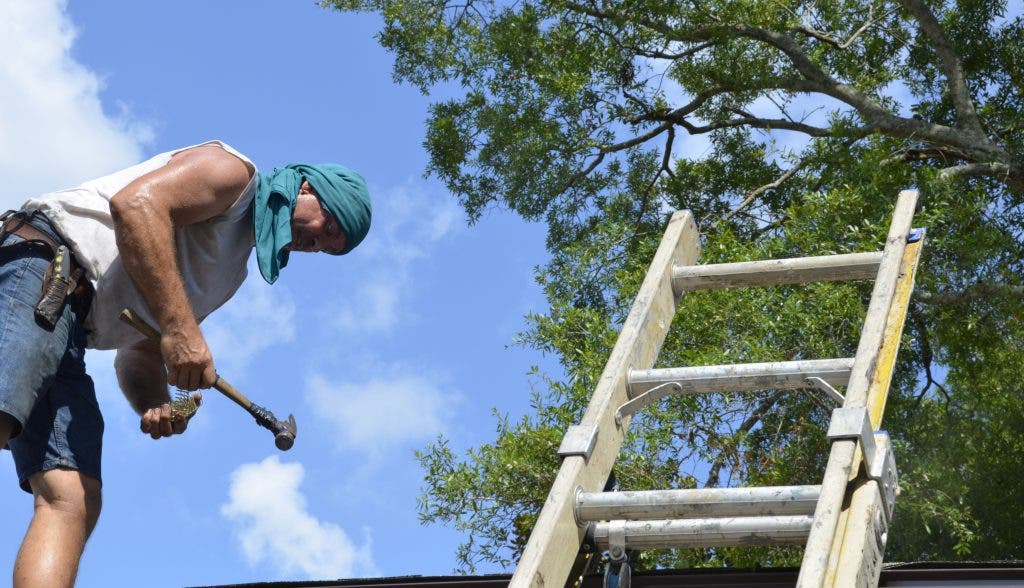


As temperatures climb into the 90s, thoughts turned to living well in Florida’s summertime heat. In addition to high temperatures, humidity can be debilitating, especially when it climbs above 75 percent.
Robert McJennett, an osteopathic physician on staff at the Palms of Pasadena Hospital Emergency Department, cautions that a preventive approach is best to surviving the hottest months in Florida. That goes for sunburn, dehydration and other heat-related conditions. McJennett offers simple tips for protecting yourself from debilitating heat exposure:
- wear a wide-brimmed hat
- wear long-sleeved, breathable clothing
- use a good sunblock
- focus on hydration
- stay in the air conditioning, if you can
- take breaks from being in direct heat
According to the Centers for Disease Control (CDC), that advice is right on target. Between 1979 and 2003, heat exposure caused more than 8,000 fatalities in the U.S., according to the CDC.
Find out what's happening in Gulfportfor free with the latest updates from Patch.
“During this period, more people in this country died from extreme heat than from hurricanes, lightning, tornadoes, floods and earthquakes combined," according to the CDC Web site.
Hydration
Find out what's happening in Gulfportfor free with the latest updates from Patch.
McJennett emphasized the importance of hydration. Although it’s important to drink fluids throughout the day, many mistakenly wait to replace fluids after becoming thirsty. Experts say that might be too late.
Water is an optimal choice, but some sports drinks have added sodium that helps replace critical electrolytes. McJennett said you can dilute a sports drink with water if you’re on a sodium-restricted diet. But always check with a physician first.
He also cautioned that it’s important to avoid drinks containing caffeine or alcohol while in the sun. Because both drugs stimulate urine production, they can also cause rapid dehydration. General practitioners encourage drinking at least eight glasses of water daily, but that should be increased during the hot and humid months and even more so when exercising.
Risk Factors for Heat Exposure
If you exercise, know your risk factors. Hydrate before, during and after exercise. You should select the coolest parts of the day for exercise: early morning or early evening. As the heat becomes especially intense, consider indoor exercise instead. Yoga and aerobic classes may offer good options.
It’s important to know that although heat-related illnesses can affect anyone, children, the elderly, athletes and those who work outdoors are at the greatest risk.
Children have a larger surface area in relation to their body mass, which translates into a greater risk of exposure. That means they often gain heat faster than adults, especially when the outside temperature is higher than their body temperature. Humidity also can play a role. Slather on sunblock, repeating if sweating occurs or after swimming; zinc oxide makes a great physical barrier between skin and sun. Seek shade or air conditioning whenever possible. Choose breathable but long-sleeved shirts and a hat with a brim, and remember to hydrate, avoiding caffeinated beverages.
Athletes should ensure they have an adequate intake of fluid and may want to check with a physician about the correct ratio.
Construction workers, road crew members, roofers, police officers, postal workers and landscapers are at risk because of the long hours they spend outdoors.
"Those working on blacktop or on a roof have the effect of direct sun and the convection effects, as well, so they should stop and take breaks, wear protective clothing and use a good sunscreen,” McJennett said. Suncreens may need to be replenished if you are sweating.
The elderly can also feel the affects of heat exposure. They may not respond as efficiently to extreme temperatures as younger people, and may have cardiac or other chronic conditions that impair recovery from heat exposure.
“For those with elderly family members in the area, I encourage checking on them in hot weather to ensure they are OK,” McJennett said. “Don’t wait for them to call you."
Those who have emotional disabilities may need assistance in preventing overexposure. If you are within a high-rsik group, it's nice to select a buddy with whom you can check in to ensure you are handling heat exposure. Again, help your buddy prevent prolonged exposure to intense heat.
Because heat exposure can also occur indoors, McJennett advised that being in an air-conditioned building, such as a movie theater or a library, during the hottest portions of the day could be an antidote to the intense summer heat in Tampa Bay.
Experts say it takes nearly two weeks to become acclimated to hot weather. That’s why trainers recommend slowing down activity during this period. It gives your body a chance to adjust to the intensity of the dehydrating heat. Having a water bottle or Camelbak on hand reminds you to rehydrate and ensures that water is available. To stay cooler throughout the intense heat of our Florida summers, we’ve compiled a list of other ideas that might be worth a try:
- Freeze water in a bottle and grab it when running errands. As it melts, you’ll have colder drinking water on hand, for a longer time.
- When exercising or gardening, carry a spray bottle filled with chilled water.
- Wear loose-fitting, breathable clothing.
- Tuck a battery-operated, portable fan and mister in your purse or backpack.
- Use your clothes drier at night to keep your home or apartment cooler.
- Check the settings on appliances such as your refrigerator. It works best at 37-40 degrees. The freezer should be set at 5 degrees Fahrenheit.
- Replace weather stripping around doors and windows to prevent leakage of cool air.
- Use ceiling fans to circulate cool air.
- Change your air conditioner filters to ensure they are working optimally.
- Check the ventilation in your attic, where temperatures can rise to 140 degrees.
- Consider alternatives to the oven (such as a grill or the microwave) for cooking during intensely hot days.
- Try eating more chilled foods.
Progress Energy also offers tips to avoid getting burned on summer energy bills, as well as tips for avoiding heat emergencies.
In an upcoming column, we’ll discuss the signs and symptoms of heat exhaustion, heat-related stroke and heat rash. Remember that living well means taking preventive measures such as avoiding direct exposure, taking breaks when working outdoors, hydrating often, and staying cool.