Community Corner
Hurricane Preparedness: How to Keep Your Pets Safe
Read along as we give you tips for ensuring your pet is also prepared for a disaster.
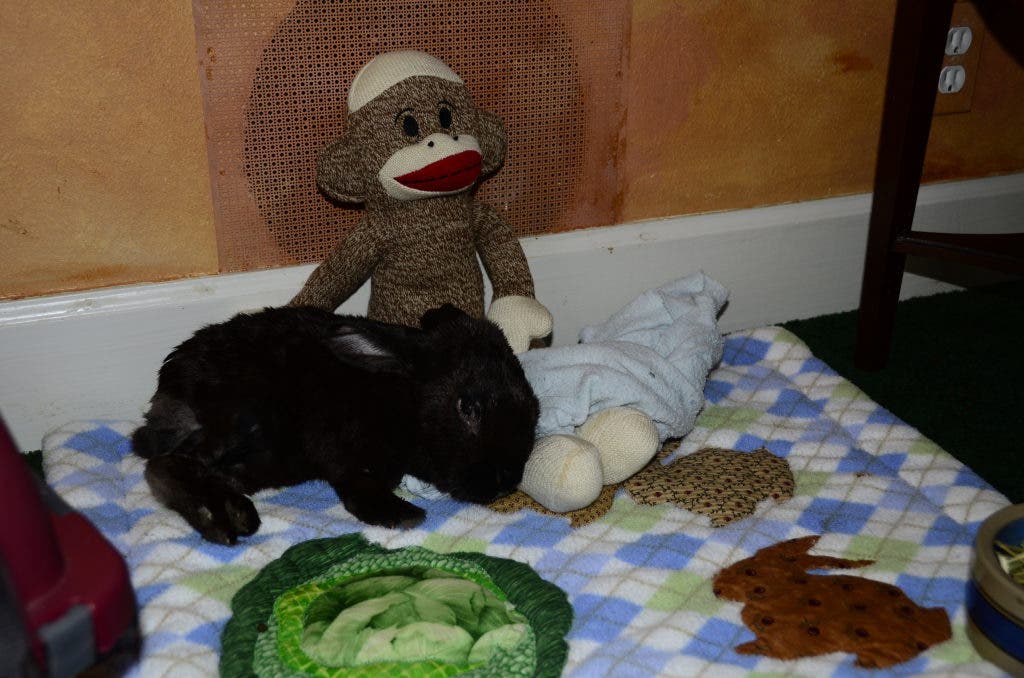


As part of our ongoing hurricane coverage, this week’s column addresses pet preparedness.
Finding a spot for your pet can be stressful and choices are limited. That’s why local and county experts urge you to plan ahead.
“There’s no time like the present,” said James Marenkovic, Gulfport’s Fire Chief.
Find out what's happening in Gulfportfor free with the latest updates from Patch.
Pinellas County offers three shelters through its Animal Services Division. They are:
- Oak Grove Middle School
1370 S. Belcher Road, Clearwater - Thurgood Marshall Middle School
3901 22nd Ave. S., St. Petersburg - Dunedin Middle School
70 Patricia Ave., Dunedin
Pinellas County residents must pre-register for a spot in an animal friendly shelter, as space is limited and mobile home residents are given priority. However, county and local leaders urge you to fill out the application as soon as possible .You can download it by logging on to the Pinellas County Animal Services website or printing the document attached to this story. If you have questions, you can leave a message at 727-582-2150 with your name and a contact number.
Find out what's happening in Gulfportfor free with the latest updates from Patch.
of Reef Dog Grooming in Gulfport, Fla., sells stickers that say Please Save Our Pets, at her Beach Boulevard storefront. For $3.99 you can easily alert rescuers that a pet is in your home.
“It’s an easy and great way to let rescuers know there are animals who need care,” says O’Malley, who owns three dogs and understands the urgency.
Patch also combed through information to provide a checklist for pet owners, while also offering tips for preparation before and after a hurricane or other disaster.
O’Malley says having a pre-packed duffel bag makes it easy to adopt a “grab and go” stance, when time is limited. If you’re going to higher ground, remember that space is limited at shelters. It’s also worth noting that pets are not allowed at Red Cross shelters, with the exception of service animals.
This checklist should help get you thinking about your own customized pet hurricane kit:
- pet carrier and towels or cozy material
- blanket and toys for your pet’s comfort and emotional security
- collapsible bowl for food and water
- extra leash and collar
- cages for exotic species such as birds and reptiles
- a one-week supply of medications
- one-week supply of water and food in watertight containers. Don’t forget a can opener!
- for cats and rabbits, include a litter box, litter and a scooper
- a current photos of your pet(s) , in case they are separated from you
- each animal should have name tags and rabies tags
- a week’s worth of plastic bags for disposal of waste and litter, disinfectant, newspaper and paper towels.
If you’re planning to evacuate, it’s helpful to have a card with the phone number and address of your temporary shelter and an out-of-state friend or relative that rescuers can contact.
O’Malley discussed the stress animals may feel in an emergency. She suggests taking a bottle of Rescue Remedy or the homeopathic Travel Anxiety tincture she sells to help soothe animals whose routines have been altered. However, it’s wise to check with a first.
Experts say it is also helpful to prepare a few copies of legible or typewritten lists, stored in a waterproof container. Veterinarians sometimes offer laminated cards with places to add contact information for an emergency. We suggest preparation of a customized information sheet including:
- your pet’s name
- your pet’s hiding spots
- any medical conditions
- a list of medications, dosage and schedule
- treatment and feeding instructions
- name and phone number of your veterinarian
- list of immunizations
- the name/location and written authorization for boarding at a kennel in case boarding is necessary
- your contact information and an alternate a point of contact
It is also wise to take copies of these lists with you as well as leaving one with a shelter, your home and with a relative or point of contact.
If you initiate evacuation arrangements:
- confirm emergency shelter arrangements
- bring all pets into the house
- ensure pets are wearing collars and identification tags – and that a laminated dentification tag is also attached to their carrier
- have your pet hurricane kit ready
During a Disaster
- bring your pets inside- and never leave them tied up during an emergency
- Stow at least one week’s worth of water for each pet
- talk to your pets and provide soothing reassurance
- have familiar toys and sounds whenever possible
After a Hurricane:
- Since familiar territory may look and smell differently, pets may become stressed and disoriented.
- Try to re-establish a routine.
- Monitor your pet for changes in behavior and ensure they have familiar toys, plenty of water and attention.
- Seek the assistance of a veterinarian if behavioral changes or alterations in eating habits persist for two weeks.
Because of the complexity involved in making arrangements, it's helpful to plan ahead. For additional reading on pets and disasters, try these resources: