Politics & Government
Hurricane Season 2011: Protecting Your Vessel
Planning ahead to safeguard and secure your boat may save you time, money and worry, after a storm. Read along as we offer tips and tactics for protecting your vessel. Why not provide some of your own?
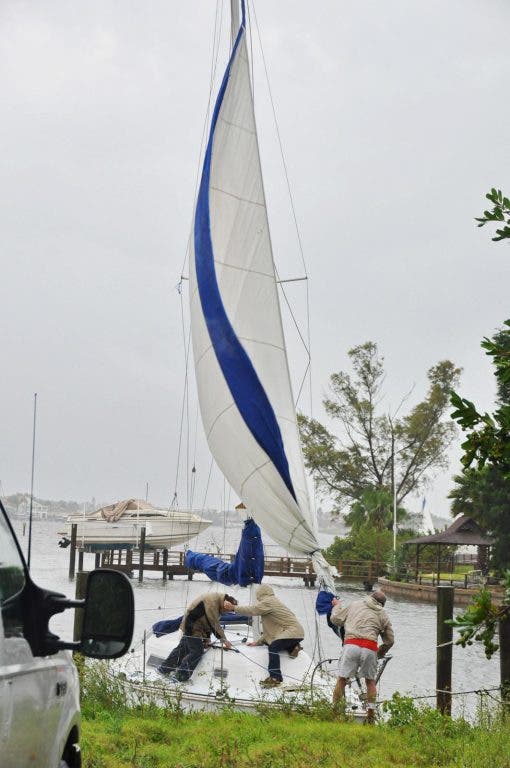


Taking steps to protect your boat from storms and hurricanes can help lessen damage from violent storms. I spoke with Harbormaster Denis Frain with the Gulfport Marina.
“Preparation is very important,” he says.
During hurricanes, boats can sink and many end up stranded on land. Experts advise owners to check policies for recovery costs. You may also want to know if personal belongings are covered.
Find out what's happening in Gulfportfor free with the latest updates from Patch.
You can remove your boat from the water, or choose to tie it up at a marina. Most experts however, discourage boat owners from leaving boats on lifts or on storage racks as they can topple over.
Frain says it’s critical to check your lines and ensure they aren’t frayed and can take a pounding in high winds. Learning how to tie lines can also help minimize damage, he says. Other experts encourage the use of chafe guards to ensure the lines remain intact in high winds.
Find out what's happening in Gulfportfor free with the latest updates from Patch.
Investing in a steady bunch of boat fenders could help protect your boat from dents. It may be wise to double check and possibly replace cleats. That will help ensure your boat is adequately secured to a dock.
It’s also helpful to check with your marina now and find out about hurricane regulations and storage suggestions long before a storm approaches. If you are going to move your boat, it may be wise to see if advance reservations are required.
To prepare for a storm, you can also:
- Move boats on trailers closer to your home. Weigh them down- Frain suggests filling the boat with water, which is easier than loading it up with jugs of water.
- Lash the boat to the trailer and anchor the trailer to the ground or your home.
- Let the air out of trailer tires to make it more secure in windy conditions. Use chocks to help prevent movement.
If you leave your boat docked:
- Remember that anchored boats should be tied high, using a half hitch knot (loop knots slip).
- Use new chain for anchor rigging and a good, study line.
- Use extra lines to secure the boat (rain provided detailed info in the PDF adjacent to this article for instructions on lashing a boat).
- Once your boat is secured, do not return until authorities say it is safe.
If you live far from the marina, designate a family member or a friend to help secure the boat and ensure they first introduce themselves to the marina managers, leaving contact information.
Secure Owner Information
Placing these items in a watertight container stored in your home or safety deposit box, can ease your efforts to file a claim after a hurricane strikes:
- Copies of boat registration, insurance policies, marina rental agreements, radio licenses
- Receipts for property that will remain aboard your vessel
- Video and/or photos of your property and the boat itself
After The Storm
After the storm you should remove any valuables, inventory the damage, clean your boat and repair any leaks. Mildew, mud and wind can be detrimental, so dry the boat out as much as possible. If the engine has gotten wet, experts at Boat US advise it should be flushed with fresh water and then filled with diesel fuel or kerosene. This process is called “pickling” and you can find instructions here.
Experts say it’s never too early to plan ahead. The current trio of storms churning off the eastern seaboard, are a potent reminder of how planning ahead can minimize destruction.
For More Information