Community Corner
Oh Florida, how we LOVE thee.
Discover the ways in which we can LOVE Florida in a more sustainable way as well as find links to local non-profits and a guide to native landscaping.


When I first began to write this column I told myself that once a month I would attend a panel discussion or research and highlight a local non profit in the area to share with you good people about what is happening environmentally in our community.
This past Thursday, February 10, I had the pleasure of being in the company of several community leaders and Wild Florida advocates. A room full of like minds gathered as Craig Pittman, environmental journalist for the St. Pete Times, Laurie MacDonald, Florida Program Director of the Defenders of Wildlife, Peter Clark the President of Tampa Bay Watch and Dick Jacobs a "disappearing Florida" photographer addressed the ways in which we are Loving Florida to Death.
Their message was simple and well addressed: We love Florida so much that we often unknowingly put it in danger of losing all that is unique as we urbanize, expand, split, splice and dig it up to occupy it so that we can love it some more.
Find out what's happening in Gulfportfor free with the latest updates from Patch.
It seems to me that there has to be a balance between living within and loving Florida. According to the Florida Census Bureau in 2009 there are 18,537,969 people residing here. There is no wonder as to why so many people flock to the Sunshine state; Florida is simply a paradise. We have the daily opportunity to see and experience all kinds of unique and abundant ecological areas and the animals within them, right in our own backyards. Consequently, as more come to LOVE and share this state, more land is cleared and then precious pieces of wildlife habitat become fragmented corridors. Essentially the very life of Florida is sucked out by habitat degradation while the native species become displaced. Our ever expanding highways and the cars on them continue to take the lives of many Florida species such as the panther and black bear. As these large mammals attempt to move away from the developments encroaching upon them they sometimes meet their doom.
We have LOVED Florida so much that we have and will continue to build in the uplands and manipulate our wetlands to further expand. We find new ways to make the unlivable parts livable, and then we sometimes add a golf course. Other victims of our urban sprawl include gopher tortoises that become entombed due to construction, condos and street light disorientation to our sea turtles, manatees that die due to propeller injuries and dolphins who wash ashore entangled in plastics and fishing line.
Find out what's happening in Gulfportfor free with the latest updates from Patch.
Along with new development we also LOVE to have our lawns green with non native covering. Fertilizers with high nitrate levels that are applied find their way into Tampa Bay, which is the largest open estuary in Florida. These nitrates can cause toxic algae blooms creating an unbalanced water system with large fish and plant kills.
So, how do we go about loving Florida in all the right ways?
First we must collectively adopt the mentality that we all live downstream. Everything that goes down our drains returns in a more filtered composition than it was before, back in to the environment. So, it is helpful if we use more eco-friendly detergents and soaps that are biodegradable and phosphorus free. I use the Seventh Generation brand products which I often find coupons for in the Sunday paper. The soap is so earth friendly that you could wash your car outside without leaving a detectable trace.
Also, keep in mind that storm water runoff is most likely the largest contributor of pollutants to the Bay then any other source. Therefore, be aware of the impacts of fertilizers and pesticides. Between June 1 – September 30 there is a ban on the use of fertilizers in all of Pinellas County because the runoff has been known to create toxic algal blooms. Try a more low impact approach, create a Florida friendly yard. Check out this website for more information.
Then, be sure to save water and recycle as best as possible. Although our garbage is burnt and is made from waste to energy we still have to bury the soot. Overall, it is best to keep plastics and Styrofoam to a minimum and try to only buy items that can be recycled from the grocery stores. Minimize your waste in an effort to minimize potential pollution and decrease the amount of space needed for a landfill.
At the end of the panel discussion it was reaffirmed for me that the most important thing that we can do to make a bigger and better difference in protecting Florida’s ecology is to be an advocate for Wild Florida. Get outside, get involved in the community and teach our children to understand the natural beauty that surrounds them. When we expose our younger generations to the outdoors we teach them to appreciate the world around them which in turn opens their minds to protecting and savoring these unique pieces of Florida. If you have some spare time, get more involved with the local non profit organizations such as Tampa Bay Watch and Defenders of Wildlife to aid in restoring Florida’s waters or by protecting our native wildlife and supporting the Florida Forever Act. Keep informed on the environmental issues so that your voice can be heard.
Let us keep in mind that we must honor the intrinsic value of our wildlife by protecting it today so that we can ensure that it has a healthier tomorrow.
For further information on the non profits listed above, follow the links below:
- Defenders of Wildlife Florida Office
- Florida Forever Act
- Tampa Bay Watch
- Disappearing Florida Photography Exhibit at the Morean Arts Center
How can you help in Gulfport?
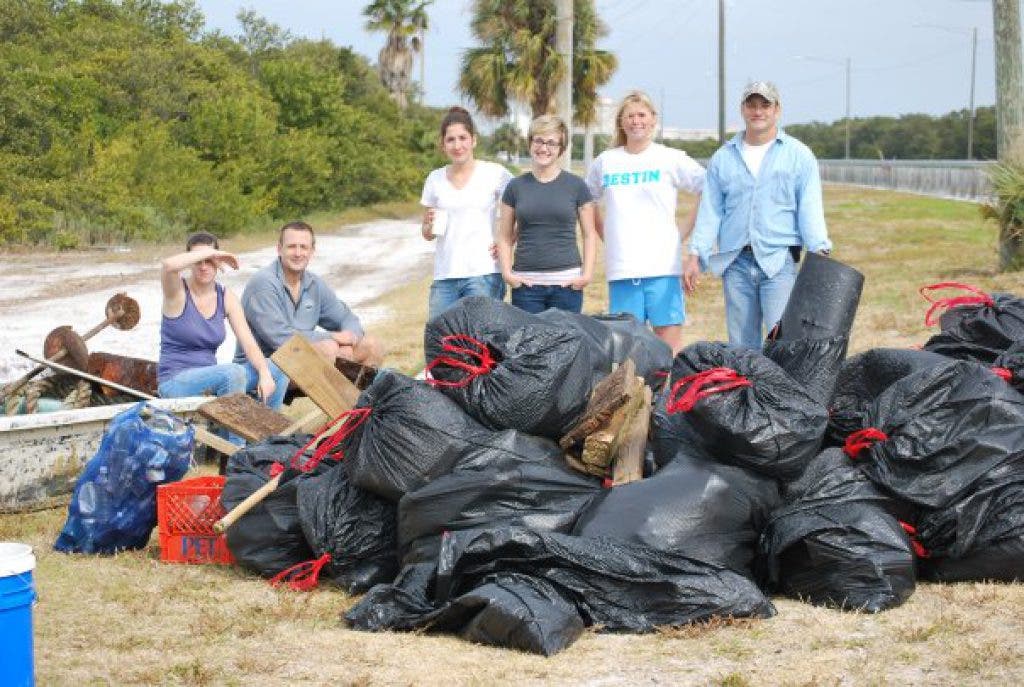
Contact City Hall about opportunities to clean up the Clam Bayou Nature Park, the Gulfport Beach and more around Boca Ciega Bay.