Politics & Government
Senior Hunger: Silent Epidemic?
An alarming number of older people skip meals for lack of money. Now there's a way to help.
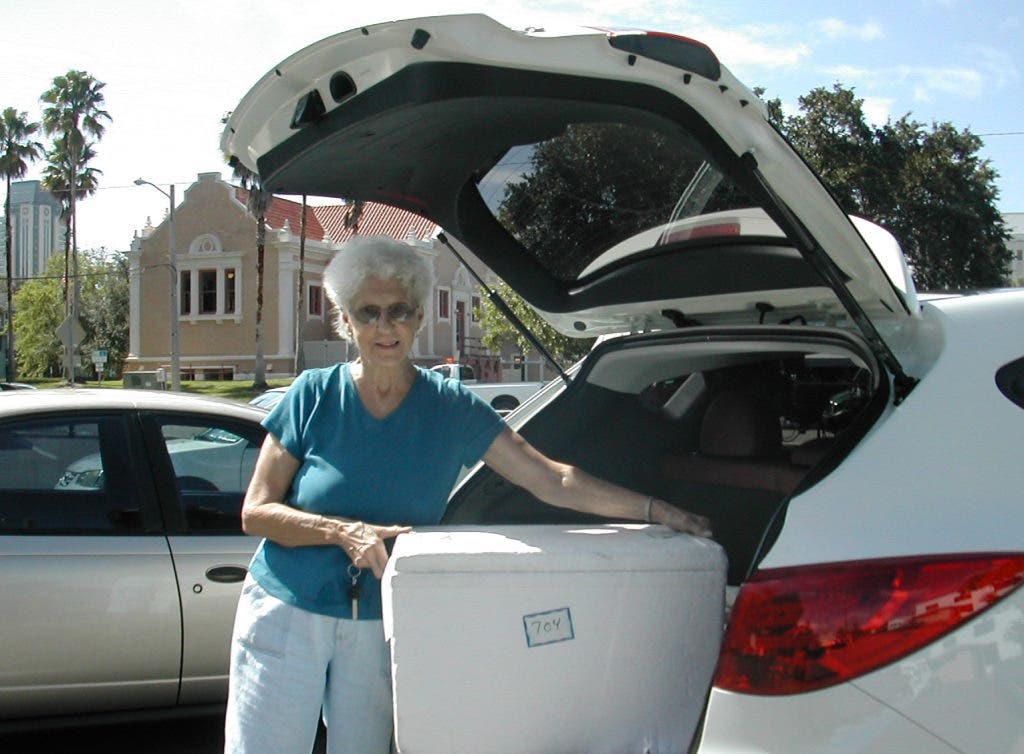

It is not an issue people are eager to talk about, but it certainly exists. In fact, many might refer to senior hunger as a "silent epidemic."
Between 2001 and 2010 there was an 80 percent increase in the number of seniors experiencing hunger in America, according to the Meals on Wheels Research Foundation (MOWRF).
Today, that calculates to approximately 8.3 million seniors (those 60 years and older) who face the threat of hunger. By "threat" this means they have expressed anxiety about not having enough food, have had occasions when they did not have enough food, or sometimes even skipped meals because of a lack of money for food.
Find out what's happening in Gulfportfor free with the latest updates from Patch.
This silent epidemic has endured for some time here in the Sunshine State. In a recently released report by MOWRF, known as its "Senior Hunger Report Card," Florida was among the top 10 states in the nation for the highest rates of seniors facing the threat of hunger.
One local non-profit agency focusing on seniors is Pinellas County's Neighborly Care Network, which has been involved in senior hunger prevention for decades.
Find out what's happening in Gulfportfor free with the latest updates from Patch.
Neighborly was successful for many years in being able to meet the hunger needs of indigent mature adults by delivering nutritious meals to their homes through its Meals on Wheels Program. But that capability is no longer possible.
As spokesperson for the agency, Sandi Narron points out, what has crippled this program has been a lack of funding to meet the growing demand of seniors in hunger in the community.
Just how bad is it?
Narron says, "Funding for our vital programs been stagnant for the past eight years. Now, in the past two years, our funding has been cut and continues to decline. Unfortunately, while funding has declined the need for services has risen. Presently, we are struggling as our wait list for Meals on Wheels has reached over 600 people."
According to Narron, currently in South Pinellas three distinct senior centers serve as distribution centers for Neighborly's Meals on Wheels Program. They include 16 routes out of the Sunshine Center, along with 12 routes from Enoch Davis Center in St. Petersburg, plus another 14 from the Gulfport Multipurpose Senior Center.
To be eligible for the Meals on Wheels Program, someone must be 60 years of age, homebound and unable to get out to buy groceries or be physically unable to prepare regular meals. Priority is given to those who are alone and have no reliable support to help them in their daily lives. Sadly, given the huge waiting list, it is apparent there are a whole lot of seniors in the community who fall into this category.
Ruth E. Hargary, site coordinator for Neighborly's Meals on Wheels Program at the Sunshine Center, echoed Narron's take on why the agency cannot begin these days to keep up with the demand. "It's all about funding," she says, in all levels of our government. "We try to add one or two people a week, but that doesn't even begin to meet the need."
One answer to this epidemic is logically for Neighborly to receive more donations from local companies, individuals and various organizations to help this cause. And as Sandi Narron points out, an individual or group doesn't have to contribute a large amount of money to make a difference.
As an example, an organization known as Better Living For Seniors (BLS) recently held an event in which half of the money raised went to Neighborly's "Meals on Wheels" Program. The total amount contributed was $224. To some that might not seem like much, but according to Narron, a donation of just $25 is enough to cover the cost of a homebound senior's meals for a week. Thus, this BLS contribution will mean some lucky older person on the waiting list will get meals for at least two months.
"When we were deciding on a deserving charity to receive part of the proceeds from the Consortium we were responsible for coordinating for the BLS membership, we pretty quickly decided on Neighborly Care Network's Meals on Wheels. With the kind of financial crisis they are going through, every dollar helps," said Beth Harvard, co-chair of the BLS event.
Organizations who may be interested in developing a fundraising program for the "Meals on Wheels" Program should contact Sandi Narron at (727) 573-9444, ext. 4210. Individuals who wish to contribute can also contact her at this number if they have any questions about how to donate or visit: http://www.neighborly.org for how-to donation instructions.