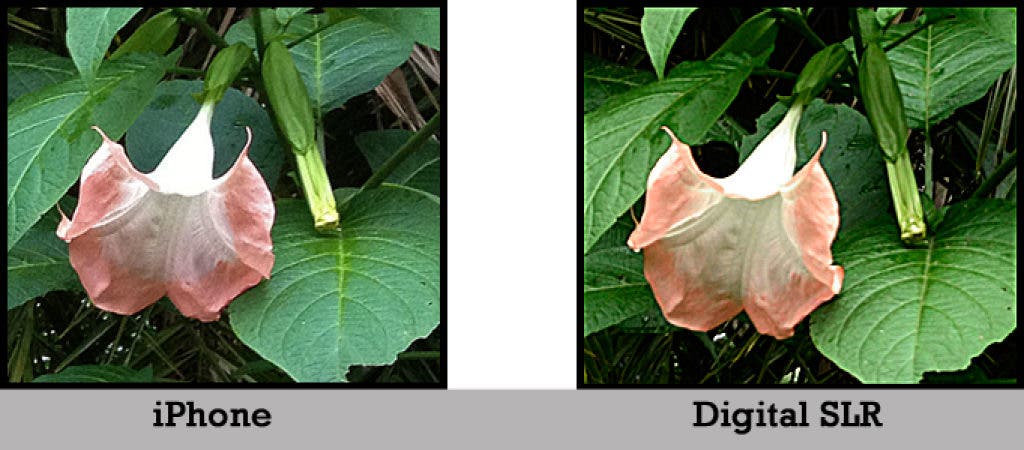
Okay, so your cell phone can take photos. But is it a real camera? Do you treat it like one or even remember that you are carrying a camera with you?
I can't begin to tell you how many great photographic opportunities I have missed because I didn't have my camera with me. I moved from my big interchangeable lens camera to smaller film cameras before digital photography. But being a bit of a computer geek, I was among the first to "go digital". My first digital camera was a one megapixel image maker that I thought was great. Then I discovered the "need" to have more and more megapixels.
Now I am back to big interchangeable lens, digital single lens reflex cameras - two of them. But I don't always carry them with me. I do (almost) always have my cell phone with me with its 8 megapixel capability. And for most purposes it is quite adequate.
Find out what's happening in Land O' Lakesfor free with the latest updates from Patch.
Your cell phone camera is even more adequate if you know how to use it, so here are a few hints:
1. Don't worry about megapixels. Since most of our picture sharing is done via smart phone, social media, or e-mail, just one megapixel is adequate for most shots. But do set your camera to the highest resolution and quality it can handle.
Find out what's happening in Land O' Lakesfor free with the latest updates from Patch.
2. Steady your camera. Most photos lose sharpness due to camera shake.
3. Be aware of light. Find a way to get light on your subject. If your cell phone camera has a flash, remember the flash distance is very limited.
4. Even if you aren't using flash, you can probably improve that shot by getting close. Famous war photographer Robert Capa once said:
"If your pictures aren't good enough, you aren't close enough."
5. Master your camera controls. If you camera has adjustments such as white balance, exposure compensation, focus mode, flash control, and scene settings, learn to use them, and then use them!
Most of the rest of the guidelines for improving your photography are the same as for any camera. Find information on the Web, get a book, or take a photography course. I will be teaching a three-session photography workshop beginning February 23. You can take just the first Saturday morning session for the basics or continue with sessions two and three for more in depth knowledge and practice. Find more information on my photography classes at: www.con2000.com/photography or email: info@con2000.com.
Finally - Keep that camera with you and take lots of pictures. There are some real keepers out there waiting for you to capture them!