Health & Fitness
ICYMI: Zika Virus Prevention Tips For Pregnant Women
As of Thursday, Florida had 236 confirmed Zika virus cases. Forty-one cases involved pregnant woman.


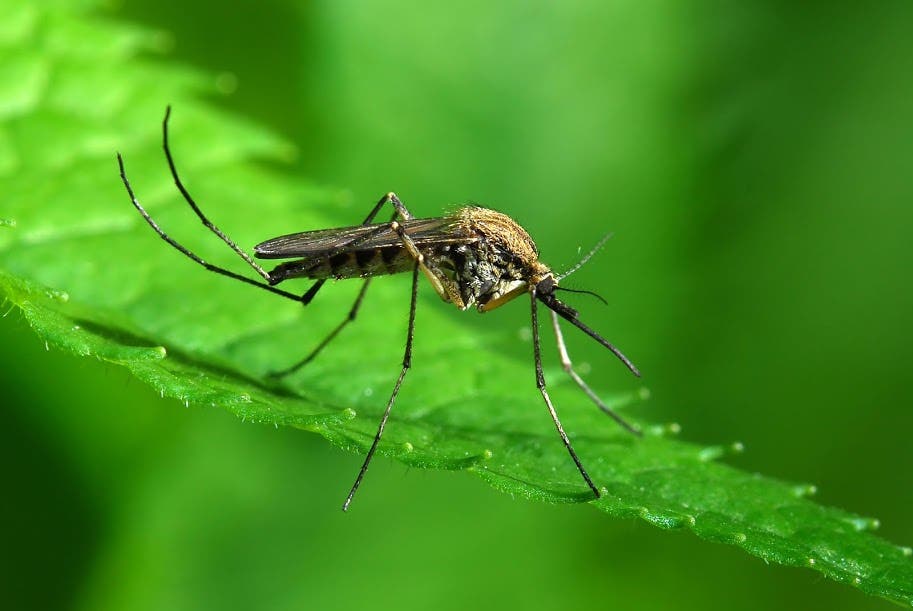
On the heels of Florida’s first reported birth of a baby with Zika virus-related microcephaly, the March of Dimes is offering advice to women who are pregnant or are thinking of becoming so.
As of Thursday, the state of Florida had 236 confirmed Zika virus cases. Forty-one of those cases involve pregnant women. While all of the state’s confirmed cases are travel related, meaning those sickened contracted the virus while traveling abroad, the mosquito-spread virus is raising concerns as the hot summer months continue.
The CDC has confirmed that the virus is responsible for causing severe defects in unborn children, including microcephaly, which leaves babies with abnormally small heads and often with brains that do not develop properly.
Find out what's happening in Land O' Lakesfor free with the latest updates from Patch.
See also:
“Babies with the defect often have a range of problems including developmental delay, intellectual disability, problems with movement and balance, hearing loss and vision problems,” the Florida Department of Health said in an email to media.
Find out what's happening in Land O' Lakesfor free with the latest updates from Patch.
FDOH confirmed the birth of a baby with microcephaly on Tuesday. The baby’s mother, the state said, is a citizen of Haiti. She traveled to Florida to deliver the child.
Zika is a mosquito-borne illness that is characterized by a fever, rash and joint pain. While the illness typically resolves within a week, some severe cases may require hospitalization.
Aside from mosquitoes, Zika can be spread through sexual contact in some cases, the CDC notes. One of the confirmed cases in Polk County originated through sexual contact, the state of Florida reported. The patient in the case contracted the virus while traveling outside of the country.
The CDC recommends women who are pregnant or are considering becoming pregnant postpone travel to Zika-affected areas.
The March of Dimes is also “working tirelessly to provide information to make sure people, especially pregnant women or women who are trying to get pregnant, are protected from the mosquito-borne virus,” Laura Gordillo, spokeswoman told Patch.
Dr. Lindsay Maggio, a March of Dimes volunteer and assistant professor at the University of South Florida’s Morsani College of Medicine, offered her top tips for expectant mothers and those hoping to become pregnant:
- Avoid travelling to areas of ongoing active transmission, if possible
Protect yourself against mosquito bites. This includes:
- Using an EPA approved mosquito repellent is safe to use as long as the use instructions are followed. Products containing DEET, picardin, and oil of lemon eucalyptus are safe to use in pregnant women.
- Keeping your skin covered with long sleeves as much as possible and use permetherin treated clothing to prevent bites.
Protect your home against mosquitoes. This includes:
- Using air conditioning, however, when necessary use bed netting, even permethrin treated netting
- Repair any broken screens, cracks, holes and areas where mosquitoes can enter your home
- Empty any standing water in and around the home as this is the breeding ground for mosquitoes
Prevent sexual transmission: “If your partner has traveled or was living in an area of active ongoing transmission, either abstain from sexual intercourse, or consistently and correctly use a condom.”
More information is available on the March of Dimes website.
As of Thursday, 18 of the 236 Floridians who have been confirmed to have Zika virus still had symptoms.
To help residents resolve questions about the virus and its spread, the state has set up a Zika Virus Information Hotline at 1-855-622-6735. The hotline has fielded more than 2,180 calls since it was launched Feb. 12, the state reported.
Image via Shutterstock
Get more local news delivered straight to your inbox. Sign up for free Patch newsletters and alerts.