Home & Garden
Lightning Deaths on the Rise, National Weather Service Warns
Florida has led the nation in the number of fatal strikes in recent years.


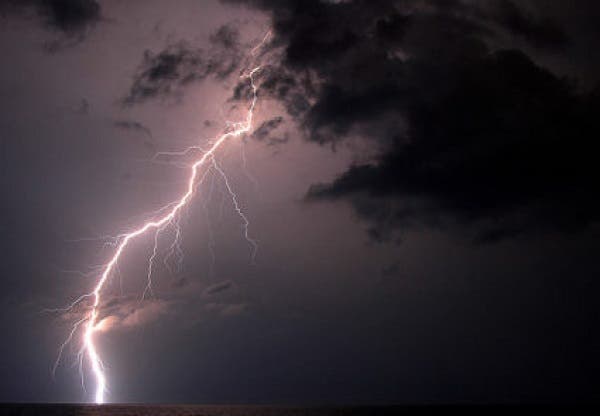
A total of 22 people have died due to lightning strikes in 2015 alone.
With just over five months left in the year, 2015 is likely to surpass the 26 deaths recorded in 2014, the National Weather Service fears. That’s why the agency is taking action to raise awareness about the dangers.
“Summer is the most dangerous season for lightning,” the agency warned on its webpage Wednesday. “Most lightning fatalities occur in June, July and August.”
Find out what's happening in Land O' Lakesfor free with the latest updates from Patch.
While the summer months are known for being the most deadly, the weather service stresses it’s “never safe to be outside during a thunderstorm. Remember: When thunder roars, go indoors.”
Three of the 22 deaths recorded in 2015 so far have occurred in Florida. The first was occurred May 13 when a 36-year-old man was killed in Bonita Springs while roofing. The second took place in Largo on June 19 when 81-year-old Jay Freres was out taking a walk. The third death came in Port Orange on June 26 when a 45-year-old woman was working on the roof of her home.
Find out what's happening in Land O' Lakesfor free with the latest updates from Patch.
Florida isn’t the only state to have logged multiple deaths this year so far. Alabama and Colorado have also witnessed three deaths each.
Lightning strikes in the United States roughly 25 million times each year, the weather service says. While summer tends to be the deadliest time, lightning is a danger whenever it strikes. On average, 49 people are killed each year with hundreds more injured.
Florida led the nation in the number of lightning-related fatalities in 2014 with six, in 2013 with four, and in 2012 with five. Missouri and Utah outpaced Florida in the number of deaths in 2011 with three each. Florida recorded only one death that year.
The agency offers these tips to stay safe:
- Get inside
- Understand that if thunder is heard, lightning is close enough to strike
- Stay inside until at least 30 minutes after the last sound of thunder is heard
- Once inside, stay off corded phones, computers and other electronic equipment
- Avoid plumbing, including sinks, baths and faucets
- Steer clear of windows, doors and porches
- Do not lie on concrete floors or rest against concrete walls
For more information about lightning safety, visit the National Weather Service online.
Image via Shutterstock
Get more local news delivered straight to your inbox. Sign up for free Patch newsletters and alerts.