Politics & Government
Pasco Getting Younger, Richer, Better Educated But Less Happy With Its Government
The county's annual performance review shows satisfaction with government services dropped this year compared to 2010.
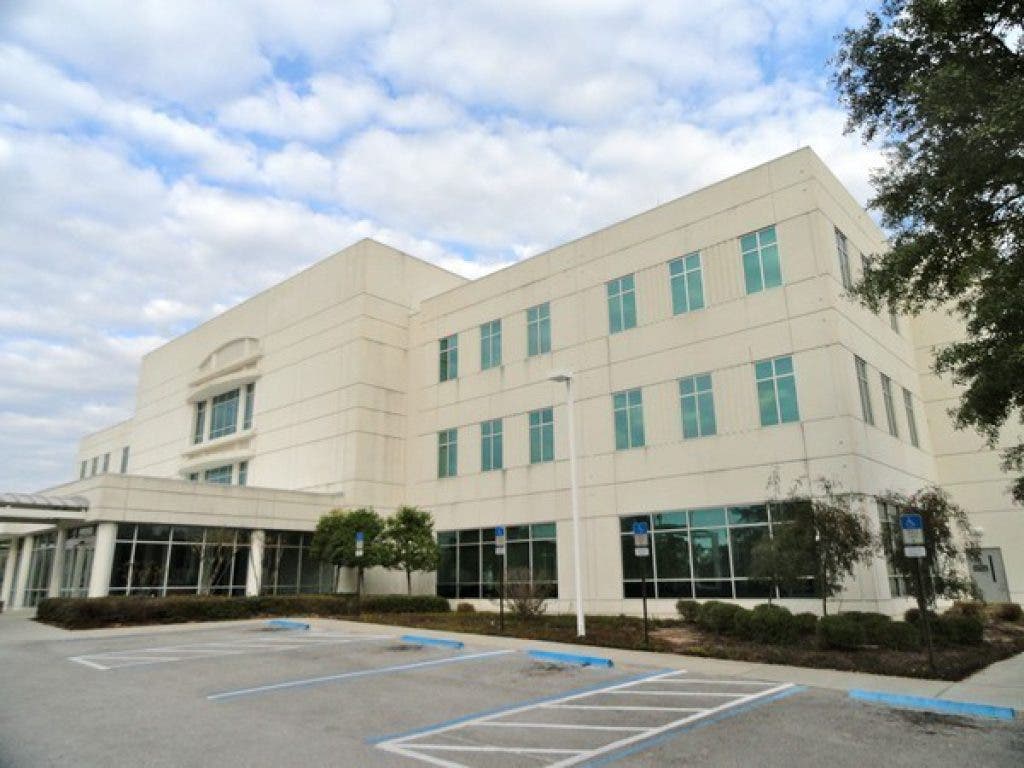
Pasco County’s residents are getting younger, richer and more learned but also maybe a bit grumpier, with only about half the county’s 465,000 residents happy with services the local government provides.
Those were some of the results county commissioners discussed Tuesday, Nov. 29, during a review of the county’s annual progress report.
It is the second report on the progress of a three-year strategic plan. Overall, 10 of the county’s plan goals are where they should be while two involving jobs and industrial growth may not reach the commission’s goals.
Find out what's happening in Land O' Lakesfor free with the latest updates from Patch.
And one, the satisfaction level of residents, was described as “off target.”
In rating their satisfaction with the county government services, 53 percent of the residents surveyed gave a positive ranking of either good or excellent.
Find out what's happening in Land O' Lakesfor free with the latest updates from Patch.
Nearly 13 percent gave the county a poor ranking and 34 percent rated things as fair.
This is the third year residents were asked in a survey to rate county services. The initial rating was 50 percent positive in 2009 and it climbed to 60 percent in 2011 before falling back to the current grade.
Commissioners had hoped to reach 65 percent positive this year and 75 percent by 2013.
Some of the drop could reflect a general displeasure with government, said County Administrator John Gallagher.
The dip in residents’ satisfaction with services the local government provides was reflected in other questions about the overall quality of life in Pasco that showed a downward trend since 2009.
The percentage of people who rated Pasco as good or excellent as a place to live, a place to retire, place to raise children, and place to work generally showed a drop each year since 2009.
Also, the percentage of people who ranked Pasco’s overall quality of life as good or excellent stood just over 70 percent in 2009, fell to just under 70 percent a year later and this year stood at about 65 percent.
*****
Using data from the 2000 and the 2010 Census, County Planning and Growth Administrator Richard Gehring told commissioners the county’s median age fell from 44.9 years old in 2000 to 43.6 a decade later with one of the biggest drops in those over 65.
In 2000, people over 65 made up 26 percent of the population. That fell to 19 percent in the latest Census. People born after 1965 make up 43 percent of the population, according to the recent Census.
“Those are significant changes,” Gehring said.
And while western Pasco County and Zephyrhills have the most residents 65 and older, those same areas are also home to the most residents younger than 5 years old.
Those shifts can be reflected in areas with an increased need for schools and also changes in retail needs and also types of restaurants that cater to younger appetites and tastes, Gehring said after the meeting.
It can even change when roads get more congested as younger families head to work or school at different times than retirees usually get behind the wheel.
While the west side of Pasco gained population between 2000 and 2010, the population in New Port Richey and Port Richey fell. New Port Richey’s population fell 7.5 percent to 14,911 and Port Richey’s went down 11.6 percent to 2,671.
The overall household median income in the county rose to $42,223, a boost of 5 percent from the 2009 level of $40,154.
While the median income rose, so did the percentage of county residents living below the poverty level. The U.S. Census American Community Survey estimated that in 2000, 11 percent of the residents lived below the poverty level. That increased in 2010 to 15 percent.
More than one in four county households had an annual income of $25,000 or less.
In 2000, 77.6 percent of people who called Pasco home had graduated from high school. In 2007, that reached 85 percent.