Health & Fitness
Are You an Unknowing Victim of Phone-Cramming?
Unexplained charges appearing on your wireless and land-line telephone bill are the result of third-party charge-throughs. And the FCC is cracking down.
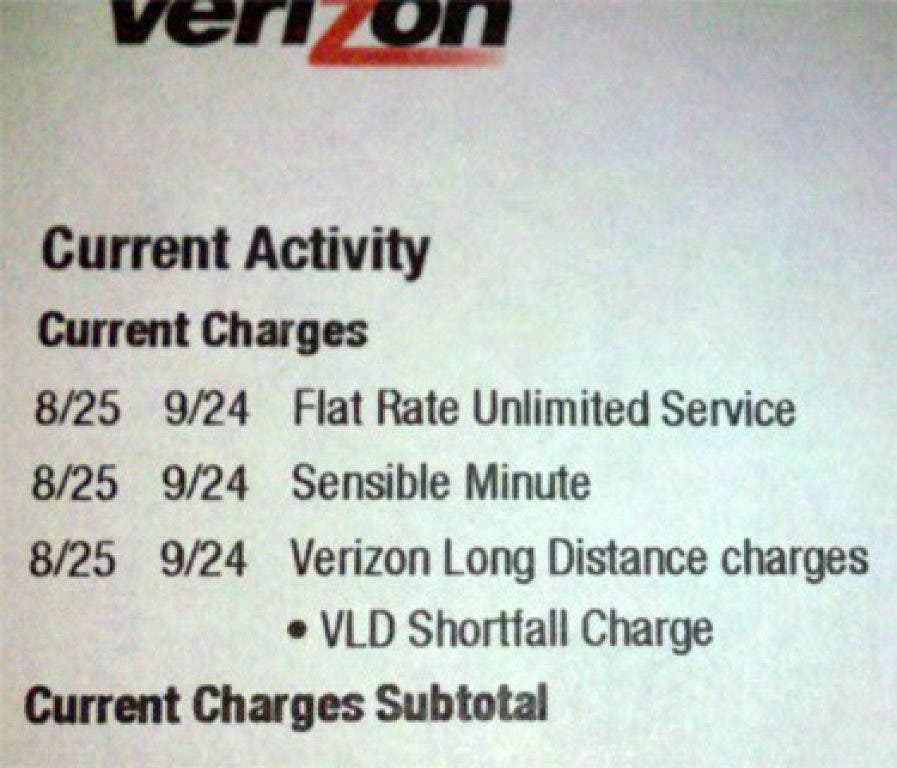
To answer the question posed in the title, simply retrieve both your latest home phone and cellular bills. Read through each and look for small charges from unfamiliar entities without explanation labeled “Service charge” or “Monthly fee”.
Should any of these fees appear, typically ranging from $1.99 to $19.99, the answer is likely yes...you are a phone-cramming victim. But you certainly are not alone.
Excatly what is phone-cramming? It is the practice of, "placing unauthorized, misleading or deceptive charges on your telephone bill”, as defined by the Federal Communications Commission.
Find out what's happening in Largofor free with the latest updates from Patch.
Many Largo and nationwide phone consumers are the victims of phone-cramming. In fact, there are some 20 million consumers that incur these dubious charges, according to, Amy Schatz writing for the Wall Street Journal.
What is more is the numbers behind the charges are downright unsettling. "Telephone companies place approximately 300 million third-party charges on their customers' bills each year, which amount to more than $2 billion worth of third-party charges on telephone bills every year", according to a recent report released by the United States Senate’s Committee on Commerce Science, and Transportation.
And like any fee attached to a utility bill, those pesky charges are quite difficult to dispute and remove. Because the fees are passed-through your provider on behalf of third-party vendors, you carrier often isn’t the arbitrator, according to Bruce Watson writing for Daily Finance.
Consumers that phone their land-line or wireless carrier attempting to remove crammed charges are typically passed off to the third-party, which in turn, stonewalls or dawdles, in an attempt to discourage the consumer.
So what can be done about phone-cramming? The United States Senate is attempting to put forth regulations requiring more openness about such charges as well as mechanisms that allow consumers greater access to dispute the charges.
Currently, neither of those remedies is in place: the is no “transparency” and limited access to relief. Which is precisely why the Federal Communications Commission is taking the steps to make consumers aware of the dubious charges and the reason Congress is taking action.
The downside to government intervention is that every regulation brings unintended consequences and those consequences won’t be known until after the regs have been enacted.
In the mean time, the best thing you can do is to review your monthly land-line and mobile phone bills. Make a point to dispute unauthorized or unwanted charges. This will not only make you aware of any malfeasance, but give you the opportunity to make overall changes in your bill--identifying unnecessary features you don’t use and do not need to pay for.
Phone carriers are also looking to help customers that become victims of phone-cramming. For instance, Verizon has set-up a website Premium SMS Refunds.com which provides customers with information on how to get those charges rebated, reversed or dropped.
AT&T also has a dedictated web page alerting its customers to cramming and how to get a refund.
If you find unrecognizable charges on your mobile or land-line bill, it is best to alert your carrier immediately. Allowing the charges to linger or even pile-up unchallenged will only make your carrier suspicious you have a case of buyer’s remorse.
Should disputed charges reappear, find the name of the third-party by contacting your home phone or wireless carrier and file a complaint with the FCC.