Health & Fitness
Human West Nile Virus Case Confirmed in Pinellas
A 32-year-old man has tested positive for the mosquito-borne illness.


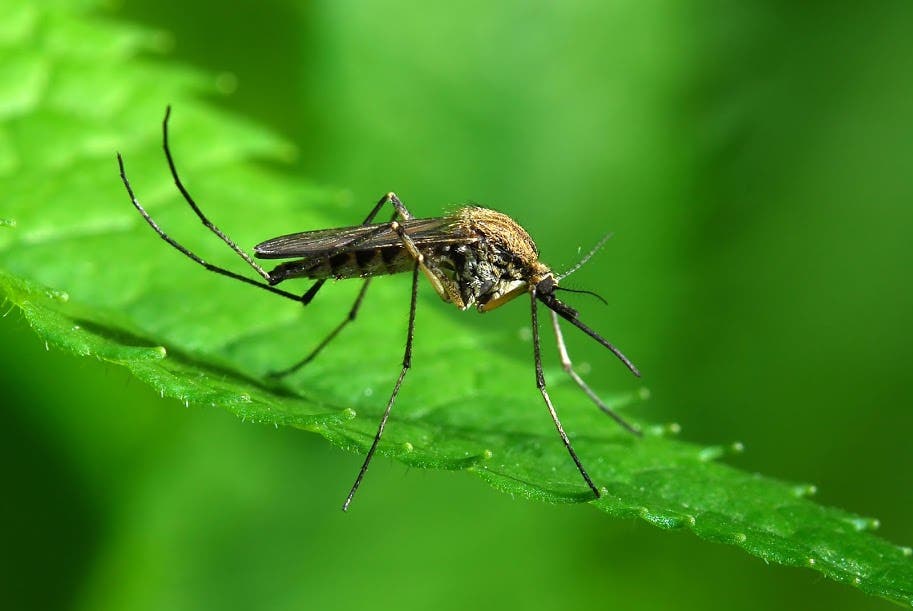
The first case of West Nile virus in a human in Pinellas County since 2007 has been confirmed.
The Florida Department of Health in Pinellas County issued an advisory on the heels of positive confirmation of the virus in a 32-year-old man Friday. The agency issued warnings about the potential risks the virus posed back on Aug. 21 and earlier over the summer after sentinel chickens within the county began testing positive for the potentially fatal disease.
“As of Aug. 28, there have been 23 positive tests for West Nile Virus in sentinel chickens from Pinellas County Mosquito Control coops,” the health department wrote in an email to media. “As a result, the risk of transmission to humans in the county increased.”
Find out what's happening in Largofor free with the latest updates from Patch.
So far in 2015, the state of Florida has had positive West Nile samples from six humans, eight mosquito pools and 76 sentinel chickens, the agency noted. Those reports have come in from 14 counties across the state.
Prior to Friday’s announcement, Pinellas County had not had a human case of West Nile virus since 2007, department spokeswoman Maggie Hall said.
Find out what's happening in Largofor free with the latest updates from Patch.
Mara Burger, press secretary for the Florida Department of Health, told Patch last week the other confirmed human cases have occurred outside the Tampa Bay area. Two were reported in Walton County, two in Escambia and one in Volusia.
“It is important for people to remember to drain standing water, cover their skin and wear insect repellent, as well as cover doors and windows with screens to prevent being bitten by mosquitoes,” Burger said.
West Nile virus produces no symptoms in about 70 to 80 percent of people infected, according to the U.S. Centers for Disease Control and Prevention. Some people, however, can develop such symptoms fever, rash, headache, body aches, joint pains, vomiting and diarrhea. In less than 1 percent of those infected severe symptoms may develop. The infection may lead to encephalitis or meningitis, which is an inflammation of the brain or surrounding tissue, the CDC says. Of those who develop severe complications about 10 percent die.
Residents can do their part to control the mosquito population by eliminating ideal breeding locations from their yards. Mosquitoes can breed in as little as a quarter inch of standing water, the county noted. It is asking residents to heed these precautions:
- Empty water from old tires, flower pots, garbage can lids, recycling containers, boat tarps and buckets
- Eliminate standing water near plumbing drains, air conditioner drips, septic tanks or rain gutters
- Flush birdbaths and wading pools weekly
- Flush bromeliads twice weekly or treat with a biological larvicide
- Change the water in outdoor pet dishes daily
- Keep pools adequately chlorinated
- Stock ornamental ponds with mosquito-eating gambusia fish
- Cover rain barrels with fine mesh screening
- Repair rips or tears in door and window screens
For more information about mosquitoes and avoiding exposure, visit the Florida Department of Health online.
Image via Shutterstock
Get more local news delivered straight to your inbox. Sign up for free Patch newsletters and alerts.