Business & Tech
Nutritionist: Supplement Guide For Women
If you're confused about supplements, you're not alone. Nutritionist Cheryl Champagne shares vitamin suggestions for teens and young women.

August brings an end to leisurely, summertime fun as you head back to school or college. In a blink of an eye, you'll juggle work, school and extra-curricular activities. How do you prepare to keep up with it all?
Your body may need some help.
When faced with additional life challenges, it seems like a good idea to take something to keep you healthy, energized and strong.
If you've gone to the store to buy vitamins or other supplements, you may have stood there scratching your head.
Find out what's happening in Largofor free with the latest updates from Patch.
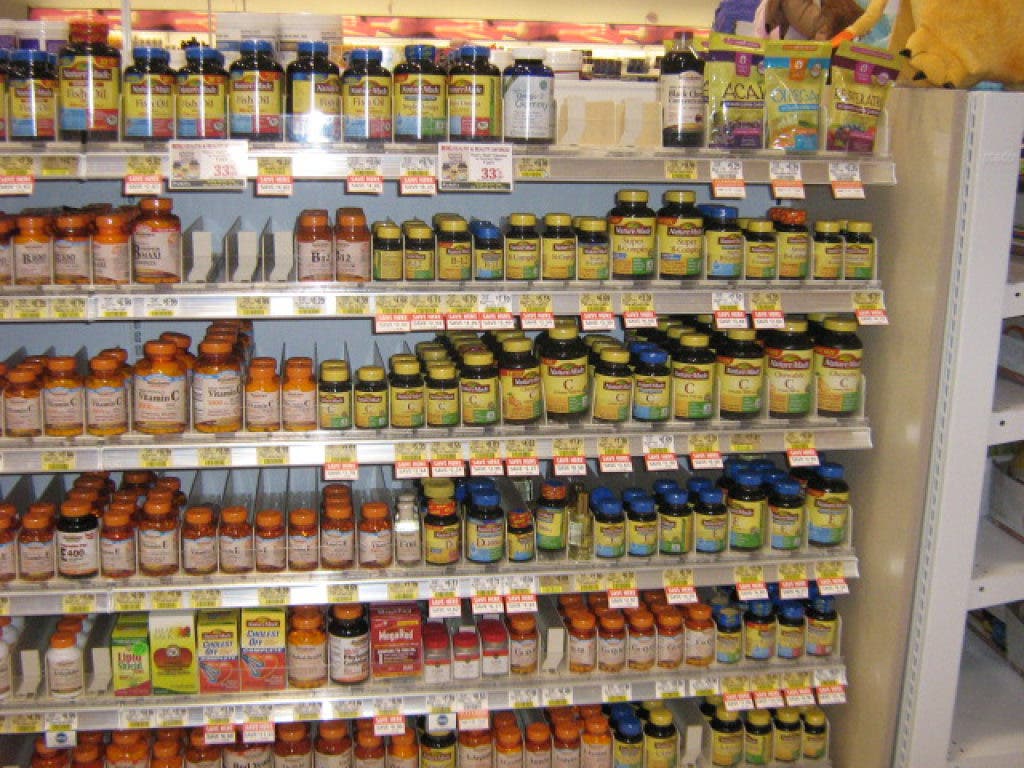
Store shelves offer rows and rows of supplements, with a variety of choices and product brands. What kind do you need? How much should you take?
Patch interviewed personal trainer, nutritionist and about the best supplements for teens and young women.
Supplements can be confusing, especially when trying to decide which ones and how much you should take.
"Unfortunately, there isn’t a one size fits all supplement regime," Champagne said.
Supplement choices depend on a variety of factors, such as gender, age, health and activity level.
Even though recommendations can't fit every person and their specific needs, there are some basic supplements that can benefit most people.
Supplements for Teens
Teens usually have a less than an ideal diet. Typically, they eat a lot of junk foods and drink sodas and coffees. Unfortunately, healthy foods don't top their must-eat list.
A high caloric, sugar-filled, caffeine-pumped diet isn't the best way to stay healthy and help your body's development and growth.
Every day, your body needs several servings of fruits and vegetables, four servings of dairy products and three servings of fish per week, according to Champagne.
"Teen years are the greatest years of bone growth, hormonal change and emotional stresses. Many [teens] are involved in athletic activities, which further stress their musculoskeletal systems," said Champagne.
For teens, here are basic supplements to help support your body's growing needs.
Find out what's happening in Largofor free with the latest updates from Patch.
- Multivitamin, preferably taken a few times per day.
Champagne says that national surveys consistently show the American diet isn't well balanced.
Our diet typically lacks several, important vitamins, such as vitamin A, vitamin C, vitamin B1, vitamin B2, folic acid, vitamin B6, calcium, copper, iron, manganese and zinc.
"In addition, nine out of ten diets are estimated to be low in chromium, and magnesium intake is approximately half the amount recommended in the RDAs," said Champagne.
- Omega-3 supplement
"Few are getting enough fish, flaxseed, or walnuts" said Champagne.
"DHA is the omega-3 involved in the brain, which is 60% fat. DHA in high dosages has been used therapeutically to treat Attention Deficit Disorder, aggressive behavior, depression and schizophrenia."
- Vitamin C
Vitamin C helps build collagen, growing bone and cartilage material.
"It also is beneficial in cold and flu prevention," said Champagne.
- Calcium supplement (the equivalent of four, 8-ounce glasses of milk)
"The National Academy of Sciences recommends 1,300 mg of calcium daily for teens," said Champagne.
"This amount of calcium is needed because 15 percent of adult height and half of all bone mass are added during the teen years."
Champagne says teenagers might consider taking vitamins for a variety of benefits.
Supplements can help teenagers feel "emotionally more stable, have less of a 'sweet tooth' and stay slimmer, have stronger bones now and into the future, have fewer colds and flus, and in general feel better and stronger".
Supplements for Young Women
Again, there isn't a blanket recommendation for every young woman.
You have to factor in overall health, age, lifestyle and current medications.
Just as with teens, young women can gain health benefits by taking a multivitamin. It should include calcium, folate, iron and possibly vitamin D, according to Champange.
"If you never venture outdoors without sunblock and rarely eat whole foods, you will want to include Vitamin D on your list," said Champagne.
An overall, basic recommendation includes the following supplements.
- Multivitamins
"Multivitamins are typically the best way to get the most overall supplement coverage with the least impact on your budget," said Champagne.
Will any multivitamin work?
Unfortunately, not all vitamins are the same. It's best to look for a well-balanced vitamin which provides many beneficial supplements.
Champagne suggests reading product labels for the amount per serving and the daily percentage of vitamins and minerals.
"Look for a vitamin with whole food sources when possible and the minimum number of additives or additional ingredients," said Champagne.
In general, your multivitamin should include the following vitamins:
- Vitamin A: 5,000 IU
- Vitamin B6: 2 mg, twice a day
- Vitamin B12: 400 mcg, twice a day
- Vitamin C: 250 mg twice a day
Since Vitamin C is water soluable, you'll need several doses over the day.
If you're taking a stain drug, such as Zocor, Lipitor, Provochol or Crestor, Champagne recommends you lower your Vitamin C to 50 milligrams, taken twice a day.
- Vitamin D3: 500 IU, twice a day
- Vitamin E: 200 IU twice a day
If you're taking a statin drug, like the ones listed above, reduce your vitamin E to 50 IU, taken twice a day.
- Vitamin F (folate): 400 mg twice a day
Folic acid or folate can sometimes be listed as vitamin B9.
- Thiamin: 12.5 mg twice a day
- Riboflavin: 12.5 mg twice a day
- Niacin: at least 15 mg, twice a day
If you're taking statin drugs, it's important to check with your doctor before taking niacin, says Champagne.
- Panthotheic acid: 150 mg, twice a day
Your multivitamin should also include the following minerals:
- Calcium: 500 mg, twice a day in divided doses
"Your body cannot absorb more than 600 mg at a time," said Champagne.
- Magnesium: 200 mg, twice a day
- Selenium: 100 mcg, twice a day
- Zinc: 7.5 mg, twice a day
- Potassium
You'll get your daily potassium if you eat four fruit servings. If you don't eat that many servings, make sure potassium is included in your multi-vitamin.
Boost Your Diet
In addition to the multi-vitamin, you can find additional vitamin-like benefits in foods.
Champagne recommends the following:
- Lycopene is an antioxidant that gives tomatoes and other fruits and vegetables their color. Think yellows, reds and orange vegetables and fruits.
- Lutein is found in a leafy green vegetables and should be eaten daily.
- Queridin can be found in onion, garlic and lemon juice.
- Omega-3 can be found in fish oil or the equivalent of six walnuts.
Champagne recommends you take the oil or eat the walnuts 25 to 30 minutes before lunch and dinner. You should also take 600 mg of a DHA supplement, or 2-ounces of fatty fish each day.
- Cinnamon:1 half teaspoon daily
- Red pepper: as much as you want, preferably early in the day
- Tumeric: as much as you want, but at least 1/2 teaspoon of strong mustard, or curry dish, each day.
Build a Healthy Foundation
These are only general guidelines, but they'll help you build a good foundation of health.
"The base you build today, both in eating and lifestyle, will serve you for years to come," said Champagne.
Start with what you can adapt and afford in your life. If you can't manage a twice daily vitamin, then begin with one per day.
Look at your diet, and make healthy choices.
"Do you really need to sit on the couch, eat a processed food snack and watch TV when you could take a walk, drink a glass of water and eat a piece of fruit?" asked Champagne.
Your First Step? Vist Your Doctor
Remember, that every person is different with specific health needs.
You should use the listed supplements as general recommendations.
Don't try to diagnose, cure or treat yourself based on these general suggestions. If you're already taking vitamins, don't modify your current regime.
Champagne stresses that a doctor's visit is the first step before beginning any supplement or vitamin regime.
"Remember to always check with your doctor before starting any supplement or exercise regime," Champagne said.
If you have questions on supplements and healthy eating, contact Cheryl Champagne at her website.