Schools
School Board Wants to Change Public Speaking Policy, But Not Yet
New policy could have pushed public participation at school board meetings to after meeting adjournment. Body:
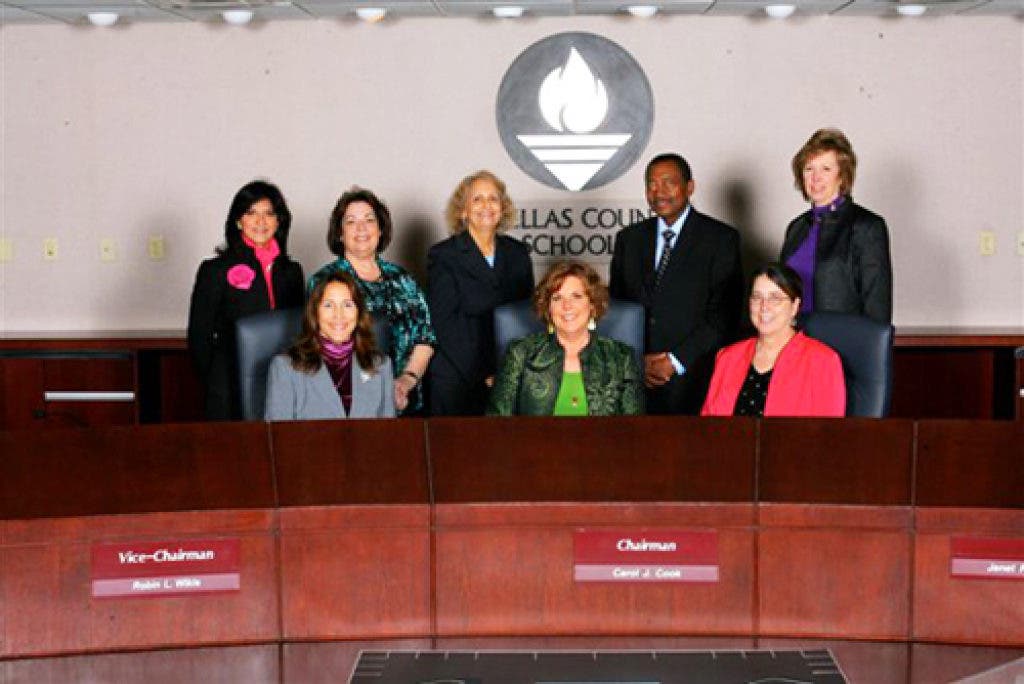
A proposal that would change when and how citizens could address officials was indefinitely dismissed in Tuesday’s board meeting. The plan would have called for audience presentations that didn't make it into the first 30 minutes of each meeting to be addressed after the meeting's adjournment.
Currently citizens address the school board members at the end of meetings and those speaking on consent or unfinished business items on the agenda do so during the discussion of those items and before votes.
There were three speakers on the topic. Each expressed concerns over the ability of the new protocol to meet their first amendment rights.
Find out what's happening in Largofor free with the latest updates from Patch.
“It sounded like the goal was to silence the public,” Sami Leigh Scott a citizen, said.
Board member Janet Clark then clarified that the change in procedure pertains to topics that do not fall on the agenda or that are first readings. Items that qualify as unfinished business or consent will allow speakers as they are discussed. Those items would not have been affected by this change.
Find out what's happening in Largofor free with the latest updates from Patch.
“We’re really giving more opportunities for speaking,” Clark said. “We’ve discussed many times the efficiency of our meetings. [It’s about] making sure our speakers had an opportunity to be heard at an appropriate time and make our meetings less drawn out.”
The policy states:
“If the number of speakers signed up to speak cannot be accommodated during the 30-minute period, they will each be offered three minutes to make their comments following adjournment of the regular meeting.”
It was this and other language that required clarification that contributed to the item being dropped—for now. Pinellas Classroom Teacher’s Association President, Kim Black said comments left for the end of the meeting may not get fair attention.
“Any of us who have served on board know what happens [after adjournment], people start picking up their purses, getting ready to go and I think that sends the wrong message when you’re looking for accountability and transparency,” Black said.
Unlike the proposed public participation policy the school board discussed, the allows citizens to comment during commission meetings at the beginning of the meeting. Citizens are given three minutes and submit a speaker card to the city clerk before the citizen comments begin.
Due to timeliness issues, the school board policy change will have to be started from scratch and a first reading be issued at a future meeting. School board members made it clear that the item would be reviewed and brought before the board again.
“I think it is in the best interest of the community and the board if we table this and get it right,” board member Lew Williams said.
Based on their clarifications, an amended version of this policy would likely allow for speakers on non-agenda items both prior to and following regular board meetings with scheduled items being spoken upon as they occur.