Neighbor News
Prepare for the Unexpected
Life is unpredictable, and although we don't know what the future holds, we can try to be prepared for the unexpected.
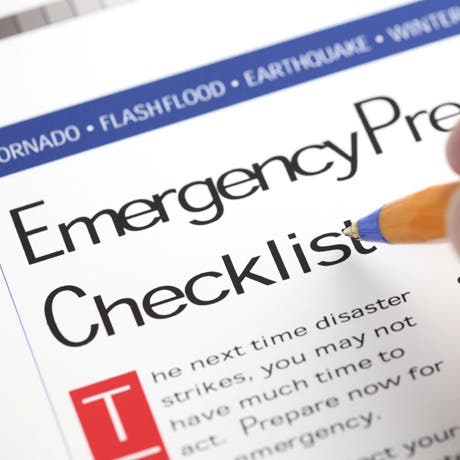
Life is unpredictable, and although we don’t know what the future holds, we can try to be prepared for the unexpected. Unfortunately, most of us don’t really think about it until after disaster strikes … and by that time it’s often too late.
Here are a few things you can do to get your family ready so that when disaster does strike, you’ll be able to weather the storm.
Find out what's happening in Lutzfor free with the latest updates from Patch.
It’s hurricane season in Florida, which can lead to high winds, flying debris and flash flooding. Other possible natural disasters affecting our state include wildfires and tornadoes. Today, I’d like to offer some tips on how to protect yourself and your family in the event of an emergency in Florida.
Create an emergency plan. Your family may not be together when an emergency hits so it’s important to establish ahead of time where you’ll plan to meet. Discuss your plan with all family members and practice your plan at least twice a year.
Find out what's happening in Lutzfor free with the latest updates from Patch.
Prepare an emergency kit. FEMA recommends keeping three days of supplies for each family member. Your kit should include:
· One gallon of water per person
· Non-perishable food
· A battery-powered or hand crank radio (and extra batteries)
· A flashlight
· A first aid kit
· A whistle to signal for help
· A can opener
· Blankets
· Pliers to turn off utilities
You should also consider packing prescription medications, glasses, important financial documents, copies of your insurance policies, birth certificates, social security cards and other identification in a portable waterproof container.
Listen to instructions. If the local authorities recommend evacuation, do so as quickly and safely as possible. However, if you no longer have time to evacuate, get to a safe place within your house (e.g., a basement or cellar during a tornado).
Flood Safety: Listen to the television or radio for more information. If there’s a chance of flooding in your area, move to higher ground as soon as possible. Move outdoor furniture indoors and essential items upstairs. Disconnect utilities, unplug appliances and don’t walk through moving water. Avoid power lines and be alert for gas leaks. If you’re in your vehicle, don’t drive into flooded areas. Abandon your vehicle to move to higher ground if flood waters start to rise around your vehicle because it can be swept away in as little as two-feet of water.
Hurricane Safety: Close shutters and secure outdoor furniture or bring it inside. Turn off utilities if instructed to do so; otherwise, turn the refrigerator thermostat to its coldest setting and keep the door closed. Close windows, blinds and curtains and stay away from the windows. Close interior doors and brace and secure exterior doors. Fill the bathtub with water for sanitation purposes. Most importantly, remain indoors.
Tornado Safety: Watch for approaching storms on the horizon and be aware of the warning signs, including a dark, often green-hued sky, large hail, a funnel-shaped cloud and a loud roar similar to a freight train. Locate the safest place to take shelter like a basement, cellar or storm shelter. If these options aren’t available, go to the lowest floor of the building and stay away from windows. If you are out on the road, climb to the highest point you can reach under a highway overpass.
Wildfire Safety: Landscaping plays a large part in preparing your home to be fire-ready. Regularly mow your lawn and clear away clippings, dry twigs and branches from buildings. Be sure to clean your roof and gutters as well. Keep branches trimmed so they don’t hang lower than six-feet and bushes pruned to no higher than 18-inches. Keep garden hoses attached to faucets to aid fire personnel, if necessary. Once a fire starts, track smoke and its impact on your visibility to determine if you should evacuate prior to an official evacuation notice is put in order. Monitor if the fire and smoke change direction to determine your safest evacuation route.
If you’ve been affected by a natural disaster, Mercury Insurance recommends taking the following steps to help the claims process:
When filing a claim
- Contact your insurance provider immediately to report your loss.
- Be prepared to provide your policy number.
- Do not remove debris or damaged property that may be related to your claim.
Steps after filing a claim
- Prepare a detailed inventory of destroyed or damaged property.
- Offer photos or video tapes of your home and possessions to your adjuster, if these are available.
- Keep copies of communications between you and your adjuster.
- Keep records and receipts for additional living expenses that were incurred if you were forced to leave your home and provide copies to your adjuster.
Visit www.Ready.gov for more information about preparing for and responding to emergencies.
Brian Dennis
ABC Dennis Ins