Schools
FIU Unveils First IoT Degree Program in US
IoT includes the growing number of smart devices in our homes that can order a pizza, turn on lights and monitor the temperature and more.


MIAMI, FL — If you routinely ask Alexa to place your pepperoni pizza order and your parents secretly wonder whether you are dating someone named “Siri” or “Cortana,” Florida International University may have just the program for you. The university recently announced the first four-year degree program for the Internet of Things in the United States. The new curriculum is set to launch in Spring of 2018 and the first diplomas could be issued as soon as 2020.
“There are already a lot of smart devices. We call them — the Internet of Things in our life — but it is projected that within five to 10 years there will be 20 billion devices connected to the Internet and they will be all over the place in different applications from energy systems to transportation, agriculture, medical, smart homes etc.,” explained Kemal Akkaya, FIU’s program director for the recently announced degree program. (Sign up for our free Daily Newsletters and Breaking News Alerts for the Miami Patch.)
Internet of Things — or IoT for short — includes the growing number of smart devices in our homes that can order a pizza, turn on lights, control the temperature, unlock the front door and even water the lawn.
Find out what's happening in Miamifor free with the latest updates from Patch.
“These devices can do computations. They can sense information. They can communicate information through wireless. They have hardware and there is a software aspect that you can program,” according to Akkaya. “All these things are considered under this degree. The students pursuing this degree will be gathering these skill sets that are essential for IoT tech knowledge.”
Find out what's happening in Miamifor free with the latest updates from Patch.
A number of big players are already heavily committed to the Internet of Things, companies like Amazon, IBM, Cisco and Honeywell. But the additional convenience that IoT devices offer does not come without a price.
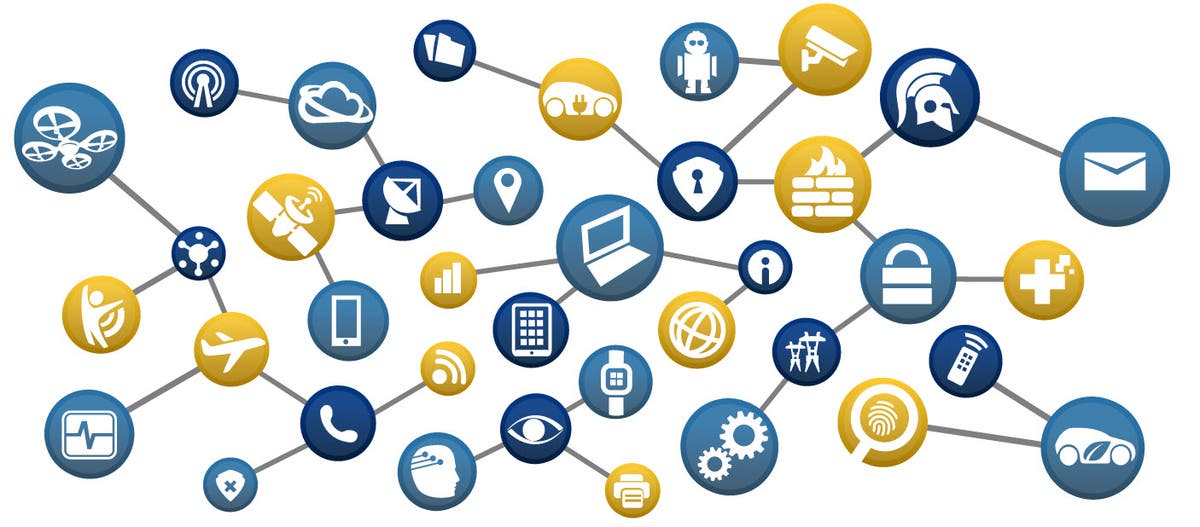
Unlike traditional computer science studies, the IOT degree will bring a mixed focus of hardware, software, security and wireless communications.
“The courses that we will be developing will be a little different than the existing computer engineering or computer science curriculum because they will be focusing on IoT devices which is a new technology,” he said.
“If you have a computer scientist they are pretty much very good in programming, in software. They can write nice applications using IoT devices but they don’t know much about hardware. They don’t know much about the low-level details of wireless communication,” he asserted. “On the other hand, when you have a computer engineer they are focusing on the hardware aspects. There is a processor inside these IoT devices. These are like small computers. We call it microcontroller instead of a CPU. And there’s the memory. There are sensors associated with these devices. So, there’s this design of the hardware and they focus on the hardware aspects, how to design those components. They don’t know much about the software. They don’t know much about the cyber security aspects.”
While Internet-connected devices are more common than ever, the very first Internet-connected appliance dates back to 1982, when grad students at Carnegie Mellon University modified a Coca-Cola machine to show how long each soda bottle had been sitting in each of the six holding sleeves. A soda that was in the machine for at least three hours registered as cold, while soda stocked for less than three hours showed how long it was in the machine.
The technology allowed thirsty students to remotely determine whether it was worth the trek to the machine.
FIU’s IoT program will be a 120-credit hour degree with hybrid courses combining classroom and online learning. The degree will focus on the technology involved in machine-to-machine communication. It will also help students understand how to prevent attackers from injecting malware into Internet-connected devices or even gaining complete control of them.
The new degree will address the four major areas of IoT – hardware, software, communication and cybersecurity. A handful of similar degrees exist at universities throughout the world but FIU’s is believed to be the first in the United States.
“It’s inevitable that these people with the background with hardware will eventually need to learn more about the other aspects of IOT devices,” observed Akkaya. “The software engineer just focuses on writing code, programming. The company would need something related to hardware, something related to wireless, something related to cybersecurity. That individual will not know much about those. Eventually what will happen is the company will need to train these individuals. So, this degree is a response to that need, that individuals will learn these skillsets at the undergraduate levels.”
Akkaya said that countries that offer similar programs include China, Australia and Ireland. FIU hopes to have at least 50 students sign up for the IoT program in the first year.
“Some of them will be transfers. Some of them will be new students. But at this point I don’t know,” Akkaya acknowledged. “Since it’s going to be a new degree, we will probably need some more time to convince students that this is a degree that will give you good jobs when you graduate because students would probably like to see some data or would like to compare with other universities. That doesn’t exist yet. That’s our challenge.”
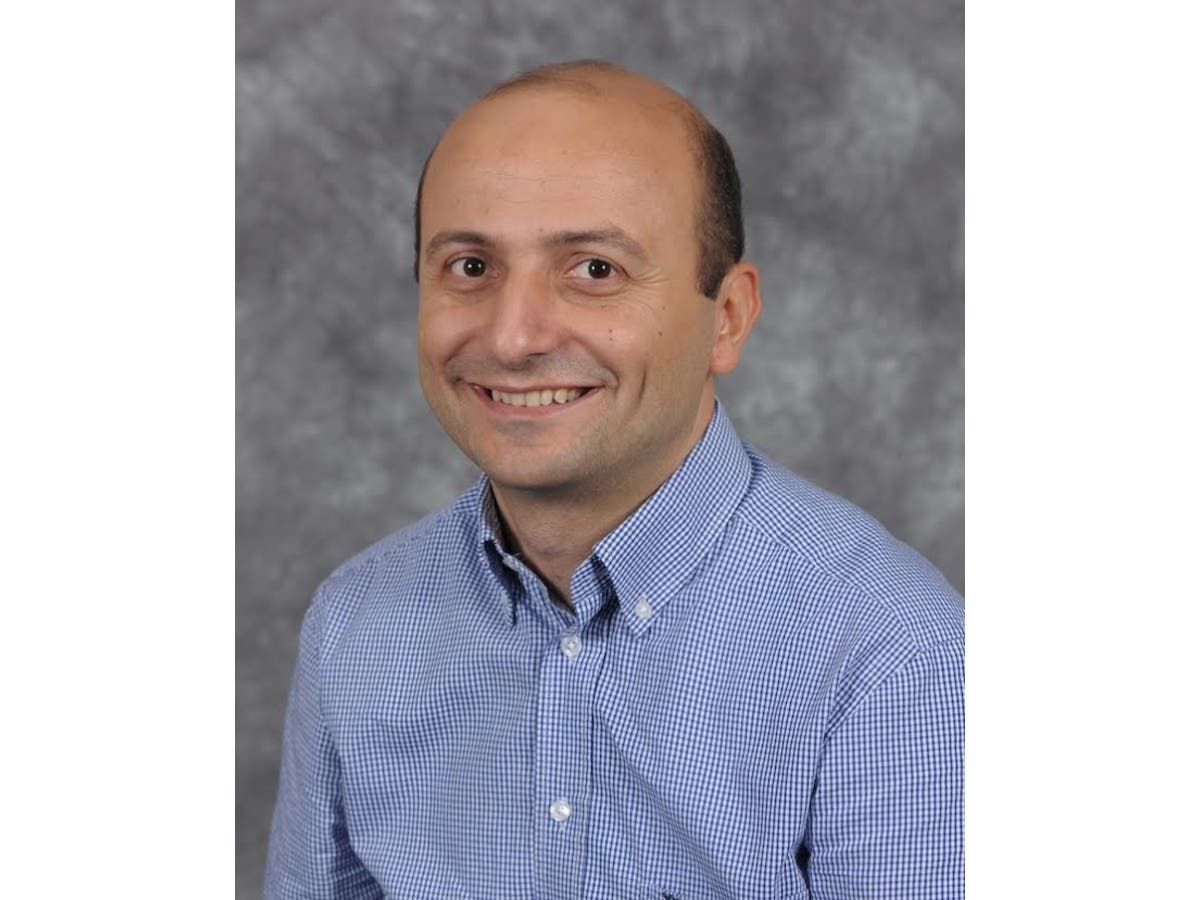
Kemal Akkaya serves as FIU’s program director for the recently announced IoT degree program. Photo courtesy of FIU.
Get more local news delivered straight to your inbox. Sign up for free Patch newsletters and alerts.