Business & Tech
Hurricane Irma Aftermath: Florida Sees 'Most Significant Crop Loss Ever'
Among the hardest hit crops: avocados and ornamental plants in Miami-Dade County, along with eggplants, tomatoes and bell peppers.

MIAMI, FL — Hurricane Irma's path "could not have been more lethal" to Florida's farmers and the scope of the damage to the state's fruits and vegetables is unprecedented, the state's agriculture commissioner said.
Commissioner Adam Putnam and U.S. Agriculture Secretary Sonny Perdue flew over hundreds of miles of Florida farmland to get an aerial view of the decimated crops. Rural communities and farmland were in the path of the devastating storm from south to north.
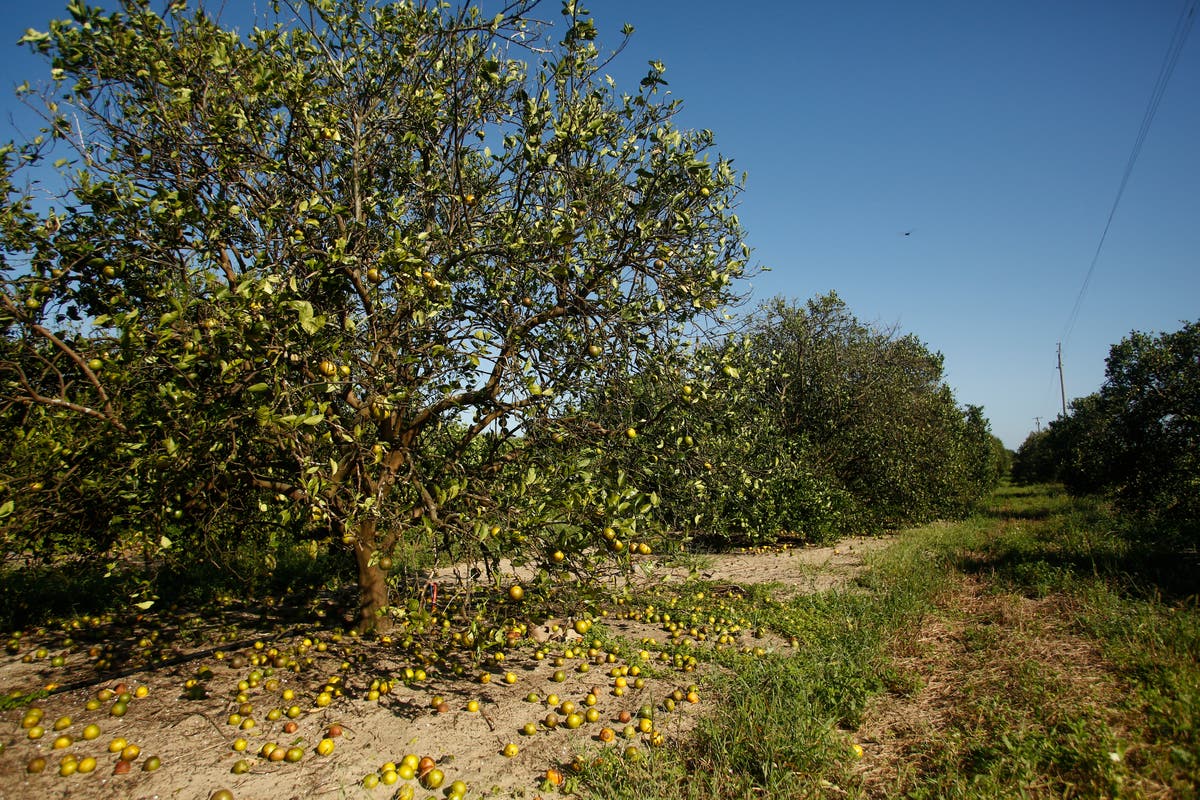
The citrus crop in southwest Florida was particularly devastated, Putnam said, and the extent of the damage became more evident this week. The dropped fruit is beginning to change colors from green to orange, leaving piles of ruined juice oranges in the groves. Some groves are still underwater, he added, which will probably kill the trees. (For more information on this and other neighborhood stories, subscribe to Patch to receive daily newsletters and breaking news alerts. If you have an iPhone, click here to get the free Patch iPhone app.)
Find out what's happening in Miamifor free with the latest updates from Patch.
"There are a number of old timers who have seen a lot of freezes and fires and floods, and the consensus of the growers is that this is the state's most significant crop loss ever," said Putnam.
Florida is the nation's largest juice producer. The citrus industry was already battling a deadly disease when Irma hit. Some citrus producers in southwestern Florida say they've lost 80-90 percent of their crop, while producers elsewhere say 40 percent was ruined by the storm.
Find out what's happening in Miamifor free with the latest updates from Patch.
Other crops were also destroyed. Lisa Lochridge, a spokeswoman for the Florida Fruit and Vegetable Association, said last week that reports indicate a 50 percent to 70 percent crop loss in southern Florida.
Florida is a key source of fresh fruits and vegetables for the nation in the winter.
Putnam said that most growers who had anticipated getting vegetables on the table for November are probably in trouble.
"They'll miss their Thanksgiving market," he said. Among the hardest hit crops: Avocados and ornamental plants in Miami-Dade County, along with field crops such as eggplants, tomatoes and bell peppers.
In addition to farmers, people who pick crops, drive produce trucks and process the crops will all feel the downturn.
"This is a major calamity," said Putnam.
Agriculture, fishing and horticulture contribute $150 billion dollars to the state's economy.
By TAMARA LUSH, Associated Press
Photo credit: Photo by Brian Blanco/Stringer/Getty Images