Weather
Hurricane Irma Turns Florida Keys From Paradise To Disaster Zone
For many who stayed in the Keys to ride out the storm, the struggle has just begun.


SUMMERLAND, FL — When Hurricane Irma ripped across the Florida Keys, the noise was so loud it could hurt your eardrums, said John Hartman, who rode out the storm at a friend's home with companion Mae Skiver. As they huddled inside the house, which was flooded up to its second floor, Irma tore the roofs off the neighboring homes.
They survived the night, but now they're struggling to cope with the aftermath and destruction. The tropical paradise of the Florida Keys turned into a disaster zone, and the 27-year-olds Hartman and Skiver are now scrounging for food and water.
For those who evacuated, Skiver has sobering advice: "Don't come back. At least (not) for a long time." (For more information about the recovery from Hurricane Irma, subscribe for free to the Miami Patch and receive daily newsletters and breaking news alerts. If you're outside of Miami, find your local Florida Patch. If you have an iPhone, click here to get the free Patch iPhone app.)
Find out what's happening in Miamifor free with the latest updates from Patch.
Watch: Governor Rick Scott Tours Destruction In The Florida Keys
After Irma barreled up the Florida peninsula, the Hartman and Skiver returned to their own trailer homes. Surprisingly, both trailers were relatively unscathed — unlike many others left crumpled and splintered.
Find out what's happening in Miamifor free with the latest updates from Patch.
Like other survivors, they now grapple with big questions like how to put their lives back together. On Wednesday, the two were out foraging. Their destination: a school where military meals-ready-to-eat were being handed out.
Officials aren't sure when residents of the middle and lower Florida Keys will be allowed back. First workers need to scramble to get power back and water running.
Palm Beach County Fire Rescue spokesman Jeremy Hurd, who was in the Keys helping out, said officials want to make sure infrastructure is in place before they let island dwellers return. Six locations have been set up to distribute food and water to those who stayed behind when thousands fled.
Hurd said more than 300 power poles are down, and officials are concerned that fires could be started as they try to restore power. Gasoline supplies are still a problem the further one goes toward the lower Keys, where many gas stations are damaged and not working anyway.
Dan Border, 67, rode his bike from his home to a school on Sugarloaf Key where Florida National Guard soldiers were handing out MREs and water Wednesday. He remained haunted by seeing Irma's eye pass right over his home.
"It was dead calm in the eye for what seemed like over an hour," he said.
Border had a working generator but was running out of fuel. He siphoned some out of a jet ski and hoped the soldiers would have some gas. They didn't.
"Not being able to communicate with my family is the worst part. They saw the news and everyone saying it was total destruction and we're thinking 'Dad's dead.' They lived with that for days." Finally a wildlife officer loaned him a satellite phone and he made contact with the outside world.
Further toward the mainland on Marathon Key, a grocery store had opened under police guard by Tuesday, but residents could only buy 20 items each, and no cigarettes or alcohol. So said 70-year-old retiree Elaine Yaquinto.
Her home with new storm shutters on the bay side of Marathon survived, but she had no electricity or effective running water.
Still there was a trickle of cold water — good enough for a shower.
"It made me feel like normal," she said.
Yaquinto sat in her Cadillac across from the Marathon airport listening to recovery updates on a local radio station powered by a generator. She said she had yet to see any state or federal agencies or utility companies working on the ground.
The Coast Guard has delivered water and hundreds of pounds of food, blankets and hygiene items to the Marathon airport as aid workers struggle to fill the gap. "Our cutter crews have been working around the clock," says Capt. Jason Ryan, Chief of Enforcement for the Coast Guard's Seventh District.
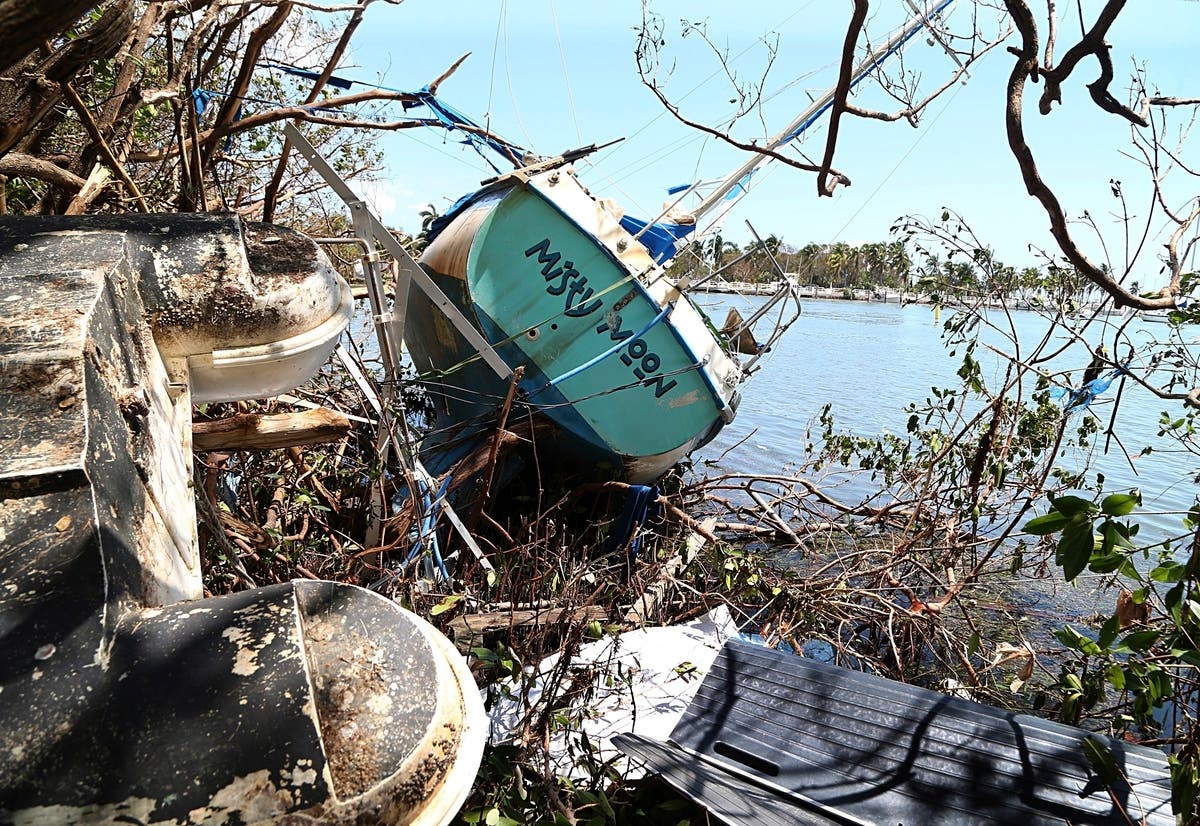
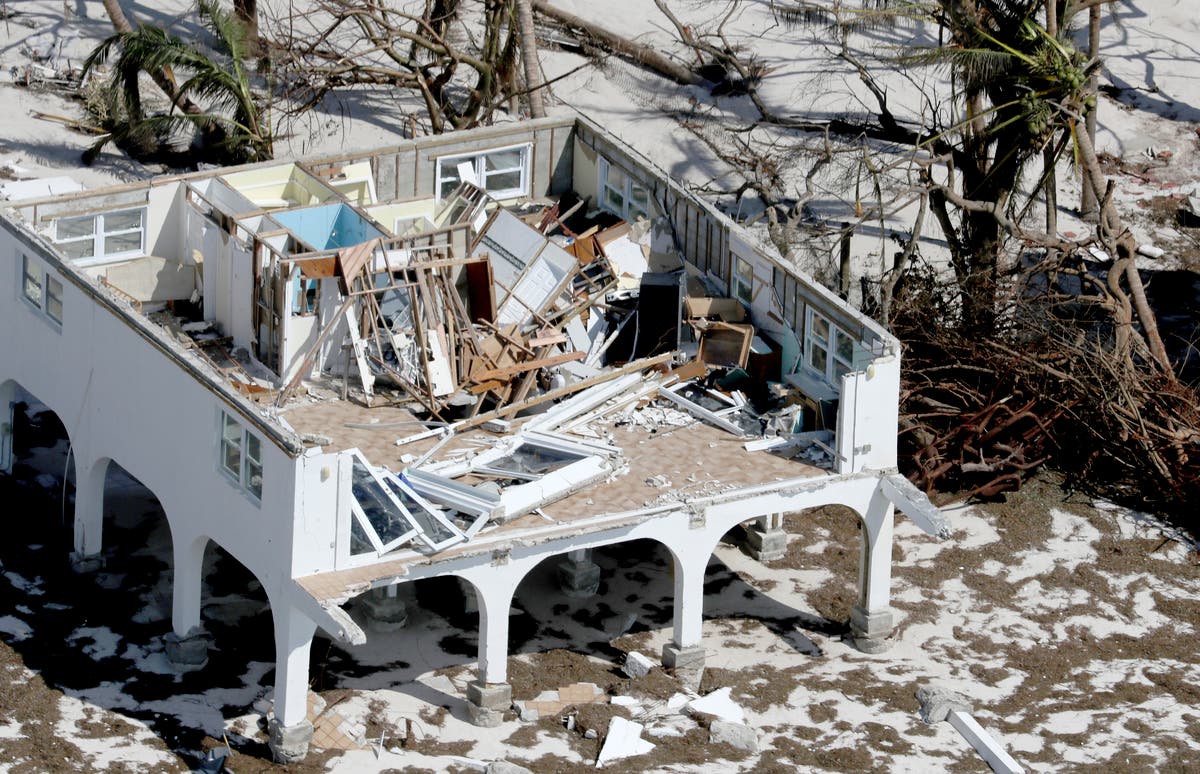
Irma roared in Sunday with 130 mph (210 kph) winds, a major hurricane. Rooftops of luxurious multistory waterfront homes along this stretch of the Keys now look as if they'd been peeled away by can openers. Every power pole has been snapped. Boats like the Keys Please now rest on dry land, heaved ashore by Irma. Condominiums are battered.
Nevertheless, some local officials say the damage doesn't appear as bad as one preliminary estimate from the Federal Emergency Management Agency that a quarter of all homes in the Keys were destroyed and nearly all the rest were heavily damaged.
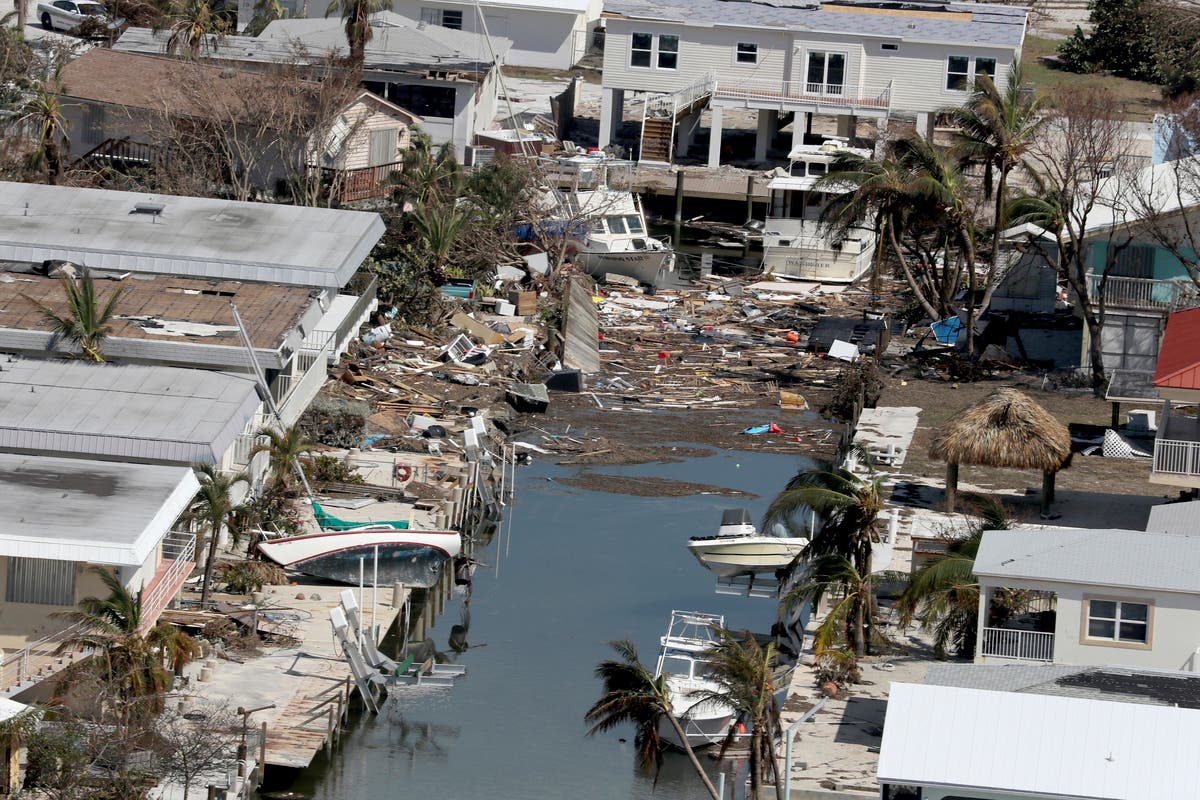
"Things look real damaged from the air, but when you clear the trees and all the debris, it's not much damage to the houses," said Monroe County Commissioner Heather Carruthers. Her county covers the entire Keys.
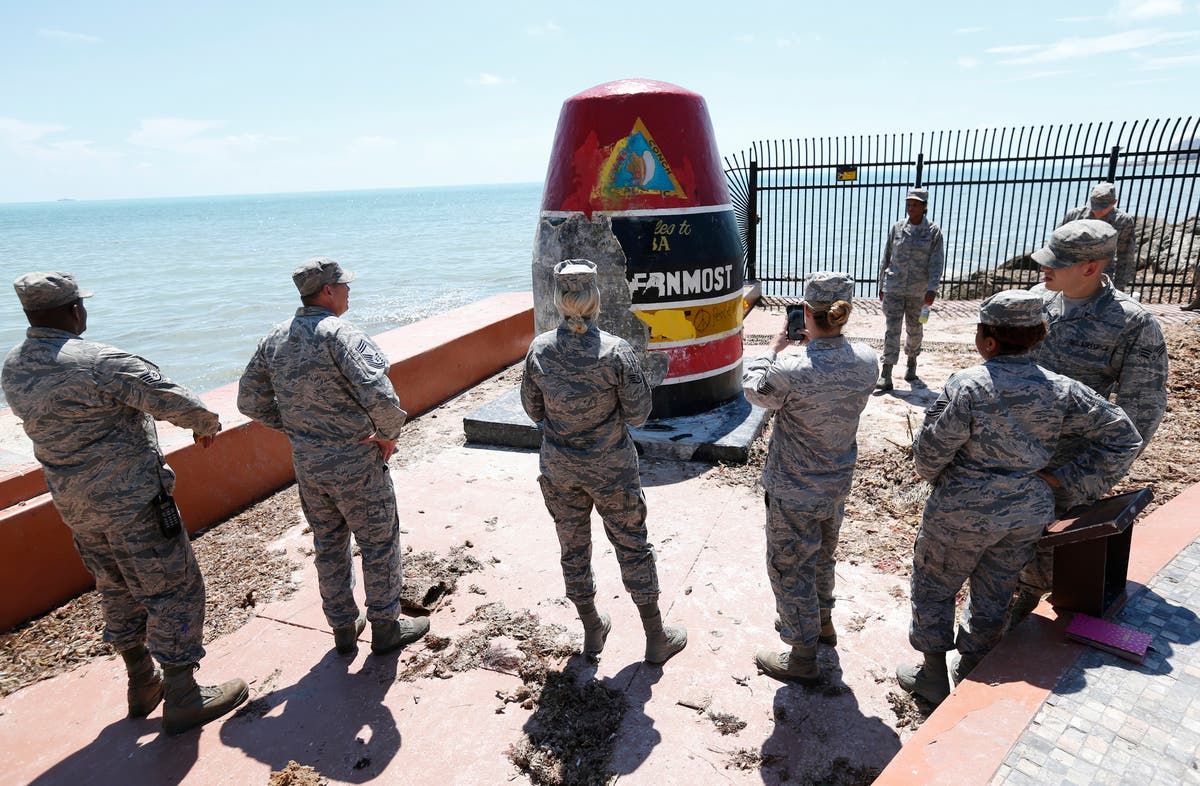
In Key West, the Southernmost Point Marker of the "Continental U.S.A." — which faces the sea — was scarred to bare metal in spots by Irma's battering.
A few people rode bicycles down Duval Street on Wednesday, but only two bars were open. The city of Ernest Hemingway fame was devoid of tourists, who flock here in good times to party and carouse.
Angel Majors said she appreciated the quiet, despite the power outage at her Key West home. Besides, she was getting to eat like a tourist: One bar offered all-you-can-eat stone crabs and lobster for $10 on Tuesday night, and Back Bar offered stone crabs for free Wednesday.
"Us locals love it. We love our tourists, but it's kind of refreshing," she said.
By JASON DEAREN, Associated Press. AP writer Jennifer Kay contributed to this report from Miami.
Al Diaz/Miami Herald via AP