Neighbor News
New Living Room Community Wellness Center Opens in Wilton Manors, Offering New Approach to Recovery
Community wellness center provides a welcoming, low-barrier space focused on connection, support and resources

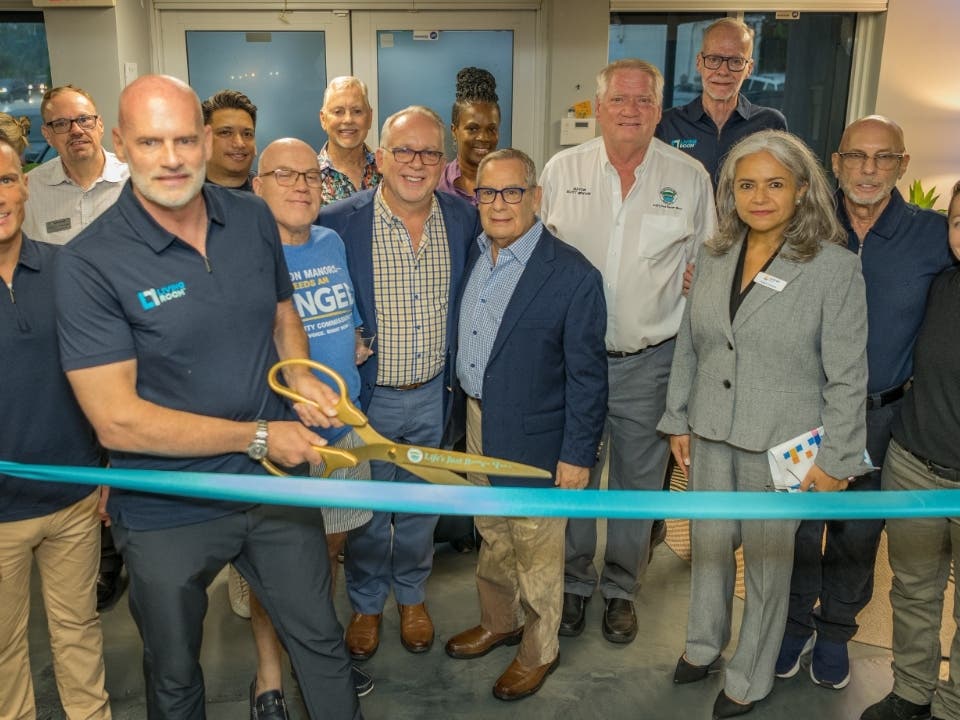


Community leaders, behavioral health professionals, advocates and residents gathered to celebrate the recent opening of Living Room, a new community wellness center in Wilton Manors designed to provide a welcoming, low-barrier space for people navigating substance use, chemsex, mental health challenges, recovery and social isolation.
Located at 2890 N. Andrews Avenue, Living Room takes a different approach to wellness and recovery, creating a place where people can seek support without a diagnosis, commitment to abstinence or identification as being “in recovery.”
The center’s philosophy is simple: Connection comes before treatment.
Find out what's happening in Miamifor free with the latest updates from Patch.
The opening celebration introduced the community to Living Room’s open access model and its commitment to creating a space that is welcoming, unconditional, discreet, grounded and expert. The center is designed to serve as a front door to support and a bridge to existing behavioral health, healthcare, recovery and social services throughout South Florida.
“Meaningful change often starts long before someone enters a treatment program,” said Michael Rohrs, executive director of Living Room. “It can start with a conversation, a meal, a support group or simply finding a place where you don't feel alone. Living Room is designed to create that first point of connection.”
Find out what's happening in Miamifor free with the latest updates from Patch.
Living Room was created in response to findings from a community needs assessment supported by The Our Fund Foundation, which examined 52 data sources and engaged 53 community participants through focus groups, provider interviews and other community input. The assessment identified a need for specialized, LGBTQ+ affirming and low-barrier resources addressing methamphetamine use, chemsex, recovery and related behavioral health challenges.
“The needs assessment confirmed what many people working in our community have been seeing firsthand,” said David Jobin, CEO of The Our Fund Foundation and a member of the Living Room Advisory Board. “There is a need for new approaches that reach people earlier, reduce stigma and recognize the complex connections between substance use, mental health, sexual health and social isolation. Living Room has the potential to become an important bridge between people and the resources they need.”
Living Room does not replace clinical treatment or existing recovery services. Instead, it is designed to help people explore their options, connect with peers and navigate the resources that best fit their individual goals.
Participants can receive resource navigation and referrals for housing, mental health services, HIV and STI testing and specialized treatment. Planned programming includes chemsex recovery groups, expert-led workshops, community meals and social activities, peer-led discussions, life-skills programming and recovery support.
The center’s approach incorporates harm reduction, motivational interviewing, peer support and recovery coaching, trauma-informed interventions, LGBTQ+ affirming care and connections to established recovery resources, including SMART Recovery and Crystal Meth Anonymous.
“People don't always see themselves reflected in traditional treatment settings,” said Rohrs. “Someone may not consider themselves an addict. They may not be ready for treatment. They may simply be questioning their relationship with substances, feeling isolated or looking for someone to talk to. Living Room gives them a place to start without judgment.”
The center also plans to build partnerships with treatment providers, healthcare organizations, recovery organizations, HIV service providers and social service agencies to strengthen connections across the community.
Living Room will measure its impact through participant outcome data and standardized assessment tools, including connections to services, mental well-being, recovery outcomes and reliance on crisis services.
“We want to know whether we're making a meaningful difference,” said Rohrs. “That means listening to the people we serve, measuring outcomes and continually improving how we respond to the needs of our community.”
Living Room welcomes people who are exploring change, seeking information, supporting a loved one, considering recovery or simply looking for community.
No labels. No judgment. No prerequisites.
Just connection, support and community.