Politics & Government
Ocean Drive Liquor Vote Would Kill 5.5K Jobs: Study
City voters are set to vote on the referendum on Nov. 7 but a study released Thursday said that the city stands to lose about $19 million.


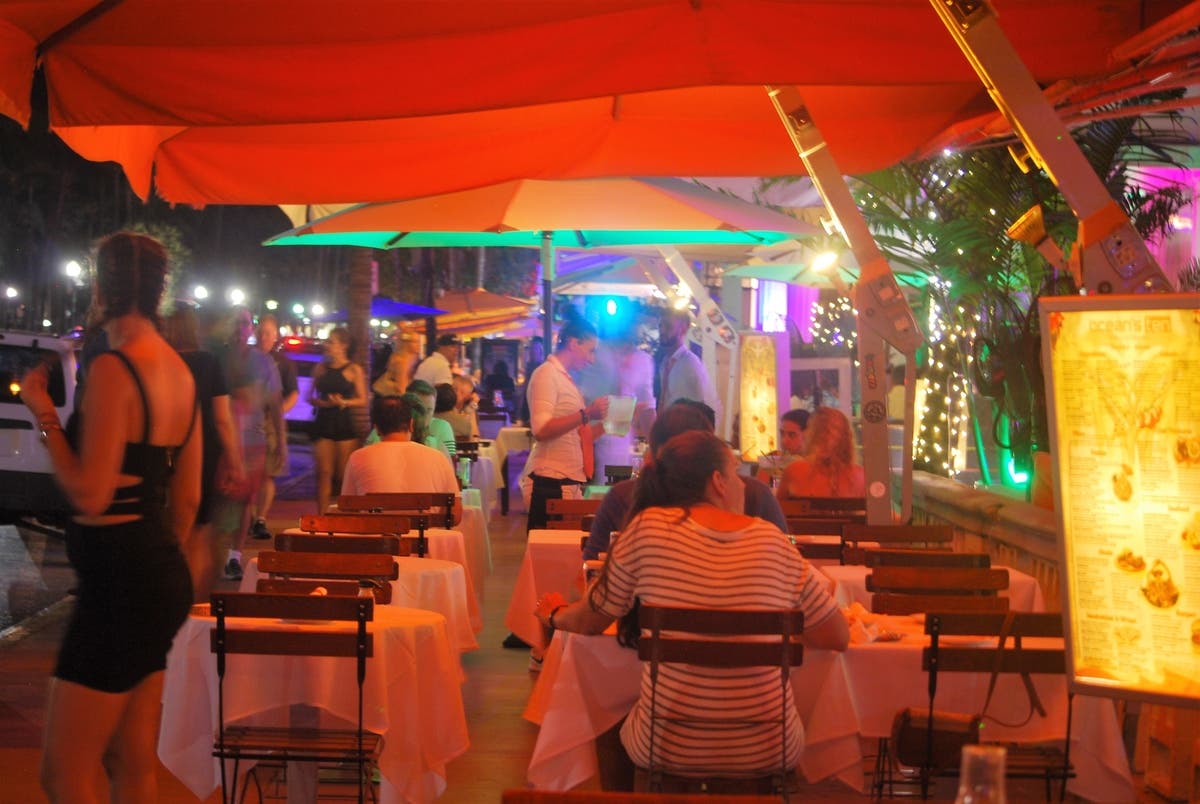
MIAMI BEACH, FL — The proposed Ocean Drive liquor referendum would potentially cost the city of Miami Beach about 5,500 jobs and millions of dollars in tax revenue, according to the findings of a study commissioned by the Florida Restaurant & Lodging Association. The findings released Thursday also found that restaurants, bars and hotels stand to lose more than $340 million each year in sales, while the city would lose more than $19 million in property, resort and sales taxes. City voters are set to vote on the referendum on Nov. 7.
See also FIU Study On Ocean Drive Liquor Vote Finds Little Impact
If approved by voters, the measure would allow commissioners to roll back final alcohol sales from 5 a.m. to 2 a.m. along Ocean Drive between 5 and 15 Streets. The iconic strip is world famous for its pulsing nightlife but also has been the scene of a number of violent crimes over the years. The referendum would continue to allow indoor sales of alcohol in hotels.
Find out what's happening in Miami Beachfor free with the latest updates from Patch.
“The ballot referendum which will ban alcohol sales on just a few businesses on Ocean Drive will have far-reaching negative economic effects for Miami Beach taxpayers and businesses," said economist Hank Fishkind whose firm conducted the study. "After a full economic impact study, we found that direct and cascading revenue losses to local businesses will top $340 million dollars. This loss in sales from tourists will result in millions in lost tax revenue for the city, a significant loss in jobs and lower property values.” (Sign up for our free Daily Newsletters and Breaking News Alerts for the Miami Beach Patch.)
Find out what's happening in Miami Beachfor free with the latest updates from Patch.
Miami Beach Mayor Philip Levine called for the restriction after a series of vicious Memorial Day incidents that marred the holiday weekend.
"Ocean Drive's raucous atmosphere negatively impacts residents and erodes the Miami Beach brand, all year long," Levine said earlier. "I want to bring back Ocean Drive to its glory days, so it can be enjoyed by families and residents."
Mitch Novick, whose Sherbrooke Hotel is just off Ocean Drive on Collins Avenue told Patch that he supports the change in serving hours and has gotten into well publicized disputes with his business neighbors over his stand. At one point Novick was arrested for taking a dirty towel from the rear of Mango's Tropical Cafe. The charges were later dropped but Novick released surveillance video showing he had returned the towel.
"Nearly three years ago I began a mission to change the dismal state of Ocean Drive which is essentially turned into a 24 hour carnival-like, crime-ridden circus," he said.
But the Florida Restaurant & Lodging Association study found that the proposed change in serving hours is likely to have little effect on crime.
"Research by noted crime expert Ronal Serpas concludes that the city’s crime problems are unrelated to the club operations from 2 a.m. through 5 a.m.," the study reported. "Mr. Serpas determined that the ban is
unlikely to reduce crime in any meaningful fashion."
On the other hand, the study found that the proposed change in liquor sales would negatively affect the city's tourism industry, including:
- There will be cascading losses in sales to nearby hotels and restaurants with an estimated 15 percent drop in Ocean Drive restaurant sales and 10 percent reduction for nearby business sales, resulting in upward of $341 million in lost income to local restaurants, clubs, and hotels.
- The city will see a $19.6 million decline in tax dollars usually paid by tourists.
- The loss of sales and profits realized as a direct result of the ban translates to a loss of some 5,500 jobs in city bars, restaurants and hotels.
“This ordinance will severely alter a formula that has proven successful and allowed hotels and restaurants to flourish," said Carol Dover, president and CEO of the Florida Restaurant & Lodging Association.
The study concluded that the referendum would damage the city's "global reputation as a unique, exciting, fun place to visit and to party late into the night" and found that Miami Beach clubs that would be directly impacted are vital to the area’s reputation and to its economic functioning.
"Essentially, the clubs act as the area’s main attractions and they are the key element that differentiates the area from other beach-oriented communities," the study charged.
Ocean Drive Photo by Paul Scicchitano
Get more local news delivered straight to your inbox. Sign up for free Patch newsletters and alerts.