Community Corner
Land Development Code Rewrite Removes Important Citizen Advisory Committee
Formed in 1976, the Pasco County Historical Preservation Committee will be disbanded under the current land development code rewrite proposal.
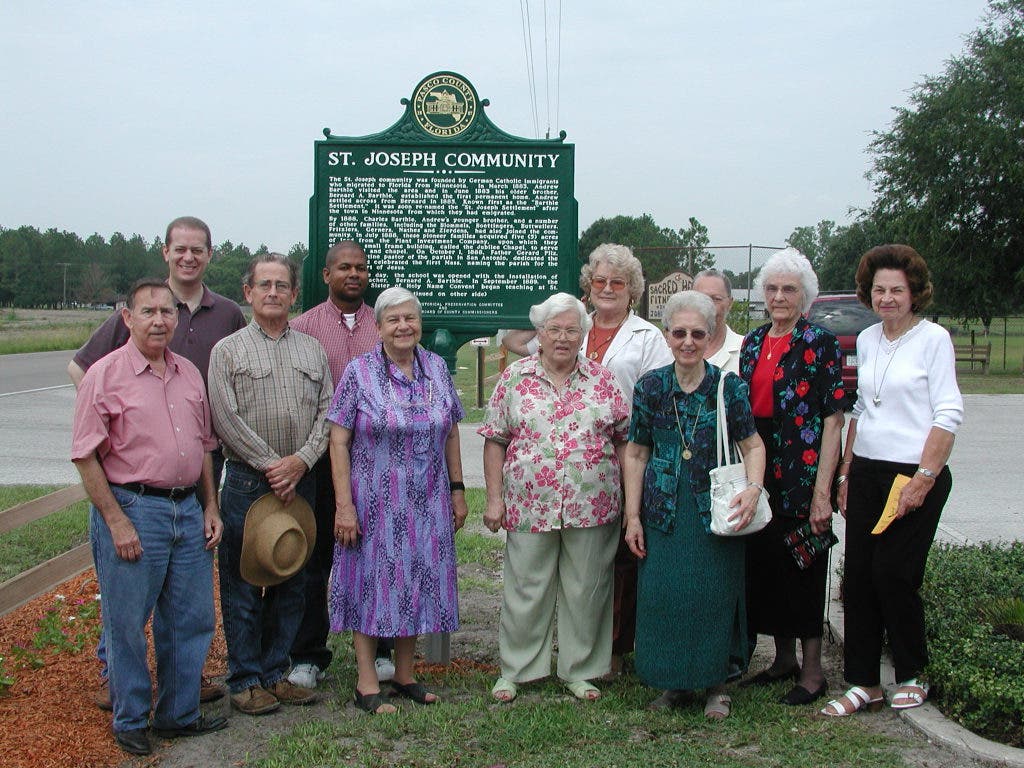


Required by law, Pasco County’s Land Development Codes are lengthy ordinances that set the standards for zoning and development, and the preservation of natural and historic resources throughout the county.
Since 2008, county staff has been working to revise these codes, and after numerous meetings and discussions with stakeholders consisting of developers and groups like the Pasco County Economic Development Council, these streamlining revisions are nearly complete and ready for commission’s approval.
But, one not so subtle change in our codes is the removal and disbanding of the Pasco County Historical Preservation Committee.
Find out what's happening in New Port Richeyfor free with the latest updates from Patch.
The county’s historical preservation committee was established Oct. 19, 1976, through a resolution where county commissioners desired to create such a committee to work towards the preservation of historical sites and the collection and dissemination of historical data about our county.
According to the resolution, the preservation committee was to operate in the same manner that every other county citizen advisory committee does. Commissioners provided a budget and gave its members the duty to formulate detailed procedures by which historic sites could gain entrance to a local historic registry and for subsequent eligibility and placement of historic markers by the committee.
Find out what's happening in New Port Richeyfor free with the latest updates from Patch.
This committee not only established our local registry of historic places but it also developed a mechanism by which it could inventory sites and add them to the registry.
In July 1981, county commissioners saw an increased need for the committee and authorized five additional at-large-members.
The committee grew to about 20 individuals who represented every municipality, chamber of commerce, unincorporated area, and historical organization in the county.
Over the last 35 years, the Pasco County Historical Preservation Committee has been responsible for the research, wording, and placement of more than 65 historic markers countywide - these markers are ultimately approved by county commissioners.
In 1992, the committee released its first book titled The Historic Places of Pasco County - its inventory of historic sites in the county.
Today, the 230-page orange book contains information about the historic sites from the committee's initial inventory and is still considered the official local registry.
But not all sites currently listed in the book have historic markers, and the committee's work is far from done.
Over the years, the relationship between the Pasco County Historical Preservation Committee and the county attorney’s office has been strained - the committee was stripped of its abilities to add new historic sites to the registry without a property owners’ consent.
This sentiment seemed to go against the very desires county commissioners expressed in their 1976 resolution establishing such a committee.
County attorneys felt inclusion of a property on the local registry violated the rights of what the owners could and couldn't do with their property.
However, these same attorneys failed to realize that property owners are already told what they can and can't do with their property through the very land development codes being revised and through zoning restirictions enforced by the county everyday. Not to mention that the state level registry of historic sites does not require the consent of a property owner, nor does it affect their rights as a property owner.
So how is the county-level inclusion any different?
In short, it's not. The inclusion of a property or site on any registry is only meant to record the site and encourage private owners to preserve those sites through potential incentives.
In 2008, about the same time land development code revisions started and our economy took a dump, county commissioners removed the preservation committee's annual budget of $2,500 - used to place one or two historic markers per year.
Under the current code rewrite proposal, the former responsibilities of our historical preservation committee will be given to the county administrator or his designee.
This includes the research, writing, and placement of the county’s historic markers, designation of new sites, and the removal of any previously recorded sites from the local registry - certainly not a county administrator’s top priority.
When asked about his thoughts of the committee being disbanded, charter member Eddie Herrmann said, “I think the committee should not be disbanded even if there is no funding. I have been a member from the outset and think the committee has served the county well and should continue to do so.”
Preservation committee co-chairwoman Joy Lane-Hetz felt much the same and said, "we feel we are in a better position to represent our county's history since many of our members are pioneer families and are actively involved with our history. The committee should be retained and continue to exist as it is, regardless of our funding - what is to happen when funding is available?"
At minimum, county commissioners should retain their citizen advisory committee and keep the current historic marker program in tact.
To date, members of the historical preservation committee have not been notified by the commissioners who appointed them, informing them of the potential changes affecting their services on such a committee.
According to county staff, after the proposed changes have been made, members of the committee will be notified that their services are no longer needed.
According to the Pasco County’s website, “The scope of the re-write will include removing inconsistencies, consolidating like subject matter, and grouping information in a fashion that streamlines and facilitates ease of use.
In addition, the Board of County Commissioners has directed the County Attorney to develop certain subject specific ordinances.”
And, much to the defense of county staff, while the county’s preservation committee has been removed from the codes, there have been other significant changes to the historic preservation elements including a new section for cemeteries.
The first of two public hearings on the land development code re-write was held Aug. 9, but was continued to Sept. 23.
The final hearing and adoption has been scheduled for Oct. 18, but continuation can be expected.