Health & Fitness
I Can’t Ignore This! - Treating Attention-Maintained Dangerous Behaviors
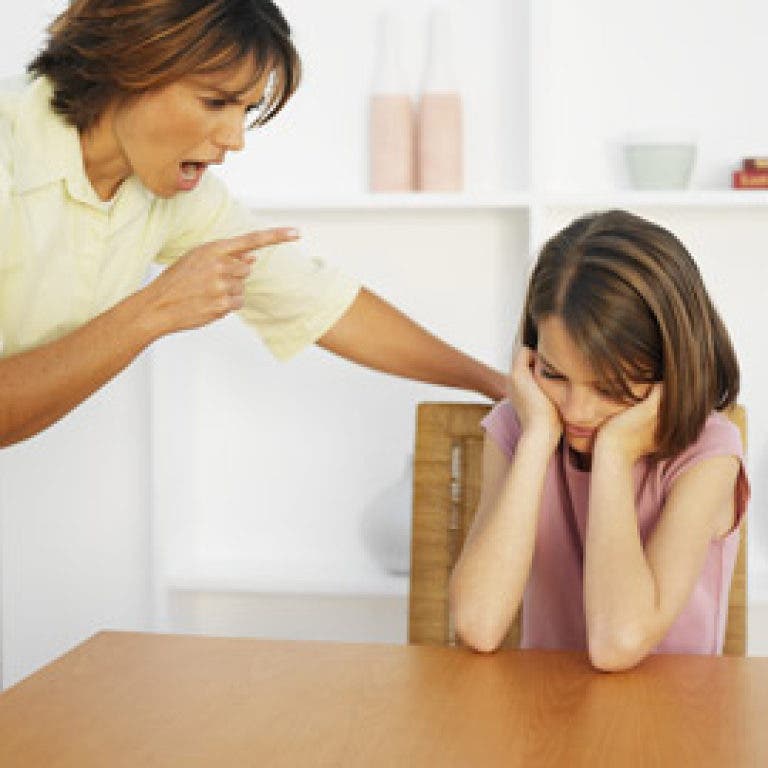
This blog discusses treatment options for dangerous behaviors that children may exhibit in an attempt to gain attention.
Written by Ed Littleton, M.S., BCBA
Before we create any type of intervention in order to reduce a problem behavior, we first look at determining the function of the behavior. Behavior occurs for a reason – typically to gain access to attention or desired items, to escape or postpone an undesirable event or activity, or for sensory reasons (something about the behavior “feels good”). One of the most common and effective behavioral interventions involves the use of extinction. Extinction occurs when a reinforcer for a particular behavior is no longer delivered following the behavior. For more information on extinction visit Catherine Czerwonka’s blog here.
Find out what's happening in New Tampafor free with the latest updates from Patch.
Since we are talking about attention maintained behaviors, the use of extinction would simply mean ignoring it. Since attention is the reinforcer, that is what we need to withhold. This gets complicated and potentially dangerous, however, when we are talking about behavior that could harm the child or those around him. It is complicated for two reasons, the first being some behaviors (self-injury, aggression, elopement, etc.) are simply too dangerous to ignore completely and secondly, because using extinction often results in an extinction burst. An extinction burst occurs during the initial time period of implementation when the frequency and sometimes intensity of the behavior spikes up before reducing over time. This occurs because the child feels he or she has to work harder at the behavior in order to gain the attention they previously got, but are no longer receiving. So obviously, with behaviors like self-injury and aggression, an extinction burst could cause potential harm to the child or someone else around them.
Now let’s look at how we can incorporate some interventions for attention maintained behaviors that may pose a safety risk. Since we are going to be removing the attention following the negative behaviors, it is important to shift that attention to now follow any appropriate alternative behaviors or any significant amount of time where the negative behaviors don’t happen (i.e child usually hits someone every 5 mins, but goes 5 min without hitting, they should receive positive attention). As mentioned above, we are talking about behaviors that can not be completely ignored; however we can remove all verbal attention. For example, if the child begins hitting, you can step in and block the behavior, but will not give any verbal attention or reprimands (i.e “stop hitting”, “don’t do that”). There are also safety measures we can take if we have to ignore. For example, if a child engages in head banging, a helmet can be used. This allows the behavior to be ignored while still protecting the child from injury. Pillows or soft objects can be use to block aggression and property damage without having to use verbal attention or the physical attention that comes with full restraints and holds. We would also want to pair these interventions with a more appropriate replacement behavior, so we can teach the child an appropriate way to communicate that they would like to receive our attention.
Find out what's happening in New Tampafor free with the latest updates from Patch.
While these are some guidelines on how to treat behaviors that may not be able to be completely ignored, if you have any questions or are interested in services in order to help reduce such behaviors, please leave a comment or contact Behavioral Consulting of Tampa Bay at 813-814-2000.