Community Corner
ICYMI: Puss Caterpillars Pack a Venomous Punch
Floridians are being warned to steer clear of the fuzzy caterpillars that can produce serve reactions in some people.


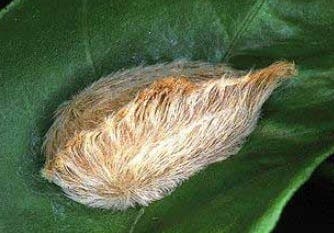
While northerners welcome fall by waiting for colorful leaves to drop from trees, Floridians have to watch out for puss caterpillars falling from theirs.
The fuzzy, unusual creatures have two seasons each year – once in spring and again in fall. And, while some caterpillars might be fun to touch and hold, officials say it’s best to stay away from these particular creatures.
“Under the soft hairs are stiff spines that are attached to poison glands,” the University of Floridaexplained in a report about the state’s stinging and venomous caterpillars. “When touched, these poisonous spines break off in the skin and cause severe pain.”
Find out what's happening in New Tampafor free with the latest updates from Patch.
Known to thrive in citrus and oak trees and other broadleaf shrubs and trees, these caterpillars can cause severe reactions in some people, the Florida Poison Information Center – Tampa, warns.
Aside from the distinct furry, flat, beige appearance of these creatures, officials say those who run into them are likely to notice right way courtesy of the pain the venom-filled spines produce.
Find out what's happening in New Tampafor free with the latest updates from Patch.
“It is instant and immediate and it’s very intense,” Dr. Glenn Hardesty told First Coast News. As summer comes to a close, Hardesty told First Coast News that the number of people getting stung is on the rise. Most people who are stung run into puss caterpillars while working outside, but they are also known to fall out of trees.
Tampa’s poison center recommends anyone that comes in contact with puss caterpillars put tape over the area that’s effected and strip it off repeatedly to remove the spines. Ice can help reduce the stinging, as can a baking soda paste. In some cases, medical attention may be required.
Puss caterpillars eventually become southern flannel moths, which have a range that spans as far north as New Jersey and west into Texas, according to the University of Florida.
Photo Credit: A puss caterpillar/University of Florida
Get more local news delivered straight to your inbox. Sign up for free Patch newsletters and alerts.