Crime & Safety
Law Enforcement Officials Remind Motorists To 'Move Over'
Florida is among 43 states that have passed laws requiring motorists to move over or slow down for the safety of law enforcement officers.


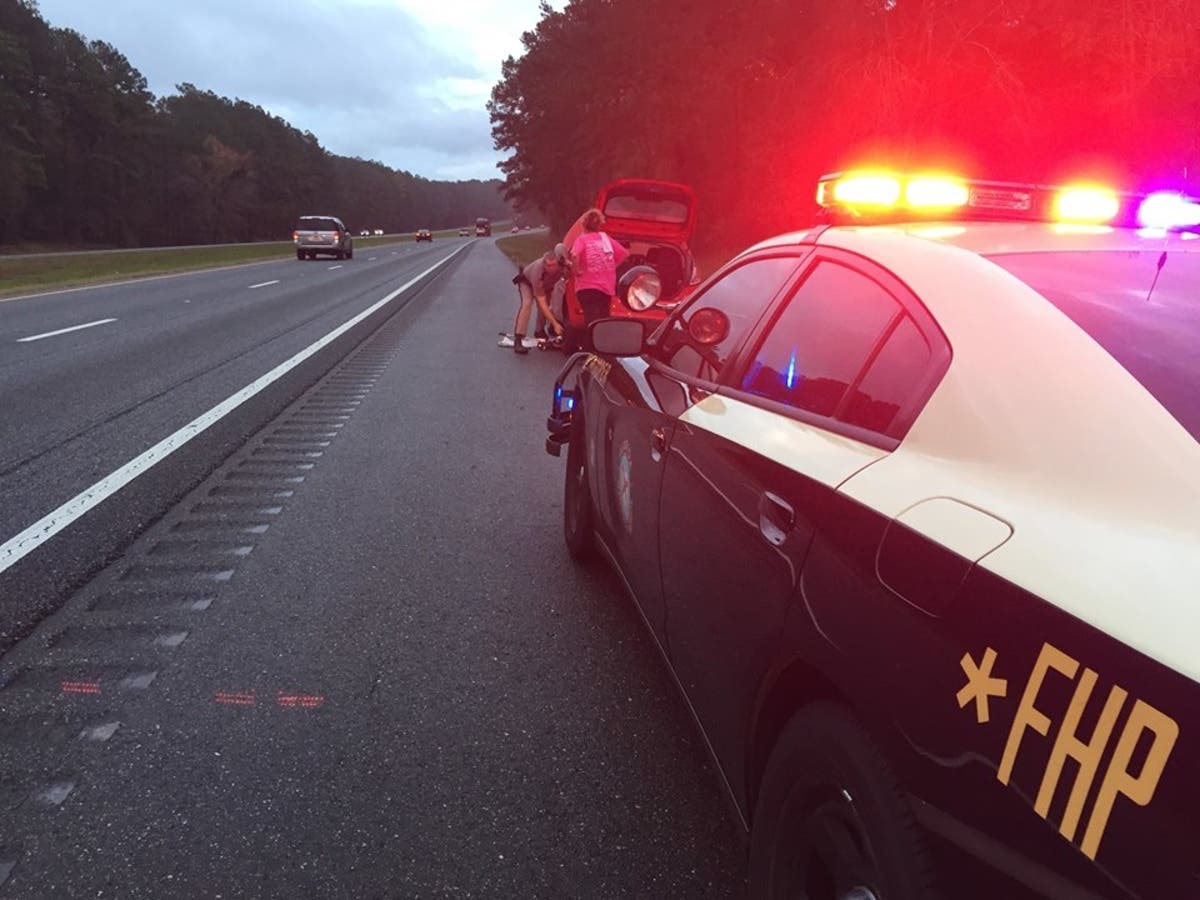


TAMPA, FL – It’s one of the rules of the road taught in every high school driver’s education class. Nevertheless, a poll by the National Safety Commission revealed that 71 percent of American’s have never heard of “Move Over” laws.
Florida is among 43 states that have passed laws requiring motorists to move over and change lanes for the safety of law enforcement officers stopped on roadsides.
According to the National Law Enforcement Officers Memorial Fund, more than 150 law enforcement officers have been killed since 1999 after being struck by vehicles along America’s roadways.
Find out what's happening in New Tampafor free with the latest updates from Patch.
To reduce those statistics, the NSC has launched a nationwide public awareness campaign to protect emergency personnel performing duties along roadways.
The Florida Department of Highway Safety and Motor Vehicles, Highway Patrol, Department of Transportation, AAA, Florida Sheriff’s Association and Florida Police Chief’s Association
are joining the effort by promoting Move Over Month this month. Throughout January, the law enforcement agencies are reminding motorists to move over for emergency and service vehicles stopped along roadways.
Find out what's happening in New Tampafor free with the latest updates from Patch.
Florida’s Move Over Act was enacted in 2002 to protect emergency workers. While most drivers understand that they are required to pull over to allow emergency vehicles with flashing lights and sirens to pass, the majority aren’t aware of the equally important law requiring them to switch to another lane to maintain a safe distance from employees who have exited their vehicles to perform duties along roads.
State law requires vehicles to move over a lane for emergency vehicles, sanitation vehicles, utility service vehicles or wreckers stopped on the side of the road. If a driver cannot move over, they should slow down 20 miles per hour below the posted speed limit as they drive by.
Information regarding the Move Over Act is now included in all driver's education learning materials and on exams for new drivers. The biggest violators, therefore, are drivers age 30 to 60 who received their driver’s licenses before the law went into effect.
According to a study by the Transportation Research Board in 2012, nearly 76 percent of drivers were aware of the need to protect law enforcement, emergency personnel and utility workers by moving over a lane. However, only 5.8 percent realized the need to slow to 20 mph below the speed limit when it isn’t possible to move over.
Failure to abide by the Move Over Act resulted in the deaths of Florida Highway Patrol Trooper Chelsea Richard, motorist George Phillips and tow truck driver John Duggan in 2014.
In 2016, tow truck drivers Danny Ray Hand, Troy McGuire and Rogelio Perez-Borroto died from crashes when motorists failed to move over.
Recently compiled statistics reveal that Move Over Act violations caused more than 121 crashes with more than 80 injuries in 2017.
Additionally, nearly 17,000 drivers were cited last year for violating the law. Failing to move over can result in fines and points on a driving record.
Throughout the month, law enforcement agencies throughout the state will be educating the public on the Move Over Act as well as vigorously enforcing the law.
For more information, visit the Move Over, America website.
Photos via Florida Highway Patrol
Get more local news delivered straight to your inbox. Sign up for free Patch newsletters and alerts.