Neighbor News
What Are the Best Months to Book a Kilimanjaro Climb to Avoid Crowds?
Find the best months to climb Kilimanjaro for fewer crowds, better weather, and a quieter trek up Africa's highest peak.
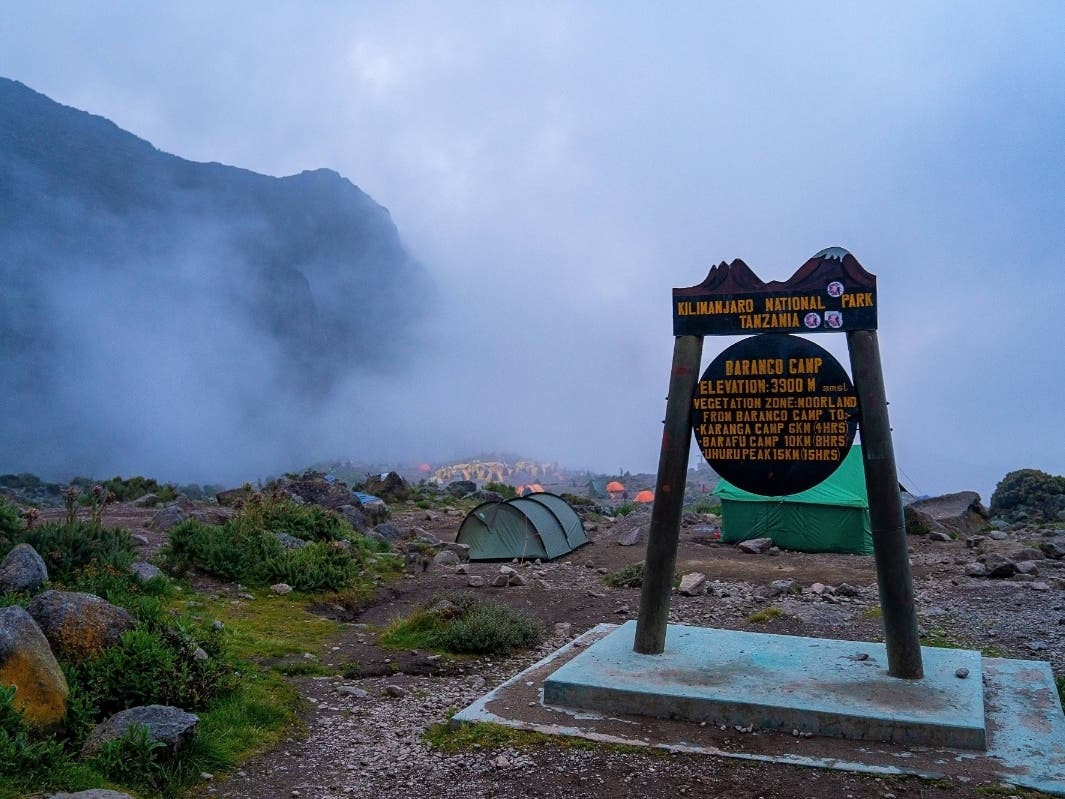
If your goal is to find the Best time to climb Kilimanjaro without dealing with busy trails, the sweet spots are usually March, early June, and November. These shoulder periods sit just outside the peak climbing window, which means few people on the mountain, but still workable conditions.
That said, timing Kilimanjaro isn’t just about avoiding crowds. Based on real climbing seasons and weather patterns on Kilimanjaro, you’re always balancing three things: weather, visibility, and how many other climbers you’ll be sharing the route with. Get that balance right and the whole experience feels completely different.
Kilimanjaro Climbing Seasons and Crowd Patterns
Kilimanjaro doesn’t run on one fixed best season. It shifts throughout the year, and those shifts directly affect how busy the mountain gets.
Find out what's happening in Palm Beachfor free with the latest updates from Patch.
Here’s how the seasons typically break down:
- June to October – dry, clear, and by far the busiest period
- January to February – good weather, moderate traffic
- March to May – long rains, few climbers, tougher conditions
- November – short rains, quiet trails, mixed weather
- Shoulder months fall between these and often offer the best balance
Now here’s the part many people don’t realize, the months with the best weather are exactly the one everyone else choose. That’s why July through September can feel surprisingly crowded, especially on popular routes like Machame.
Find out what's happening in Palm Beachfor free with the latest updates from Patch.
Quieter months don’t mean empty mountains, but they do change the pace. Camps feel less packed, trails open up, and summit night doesn’t turn into a slow-moving line of headlamps.
Best Months to Climb Kilimanjaro to Avoid Crowds
If you’re trying to avoid the busy periods without walking straight into the worst weather, a few months stand out more than others.
These are the ones worth looking at closely:
- March – few climbers, green scenery, but expect some rain
- Early June – right before peak season kicks in
- Late October – crowds start thinning out after the busy period
- November – very quiet, but the weather can be unpredictable
- Early December – calm before the holiday rush begins
Here’s where people usually get stuck: they assume avoiding crowds means sacrificing the experience. That’s not entirely true.
March and November, for example, can feel more raw and less polished but also more personal. You are not competing for space at campsites or waiting behind groups on narrow sections of trail.
Experienced climbing experts recommend aiming for these shoulder windows if you care about the feel of the climb, not just ticking off the summit. Few people around you change everything from how peaceful the days feel to how manageable summit night becomes.
Weather, Booking Strategy, and What Actually Makes a Difference
Timing a Kilimanjaro Climb is not just about picking a month; it is about how that month fits into your overall plan.
Here are a few things that quietly make a big difference:
- Dry seasons bring clear skies and better summit visibility
- Rainy periods reduce crowds but make trails wet and slow
- Booking 3–6 months ahead gives you better route and date options
- Routes like Lemosho or Rongai tend to feel less crowded
- Full moons and holidays attract more people
- Starting mid-week often means few groups on your route
According to standard Kilimanjaro expedition practice, experienced climbers do not just chase perfect weather, but they balance conditions with timing.
For example, you could climb in peak season and still avoid most crowds simply by choosing a quiet route or starting on a less popular day. On the other hand, you could pick a quiet month but still feel crowded if your date aligns with a busy window.
It’s not one decision; it is a combination of small ones. And honestly, that is where most people miss the mark. They focus on the best month instead of how the whole climb is structured.
Finding the Right Time to Climb Kilimanjaro
The best time to climb Kilimanjaro depends on what matters most to you. If you want the best weather, you’ll share the mountain. If you want space and a quiet experience, you’ll need to accept a bit more unpredictability.
There’s no perfect month, but there is a right balance.
At African Scenic Safaris, our team works closely with climbers to plan Kilimanjaro expeditions at the right time of year, helping you find that balance between weather, crowd levels, and overall experience.
If you’re thinking about climbing, it’s worth getting the timing right from the start. It won’t just affect your photos or comfort; it shapes the entire feel of the mountain from day one to summit night.