Health & Fitness
Holiday Hazards for Pets
Some common holiday hazards that can harm your pets & how to avoid them.
The holidays are filled with fun and excitement, and often many things that are not normally in our homes. Some may be hazardous to our pets, so here are some things to know to help keep your fur kids safe.
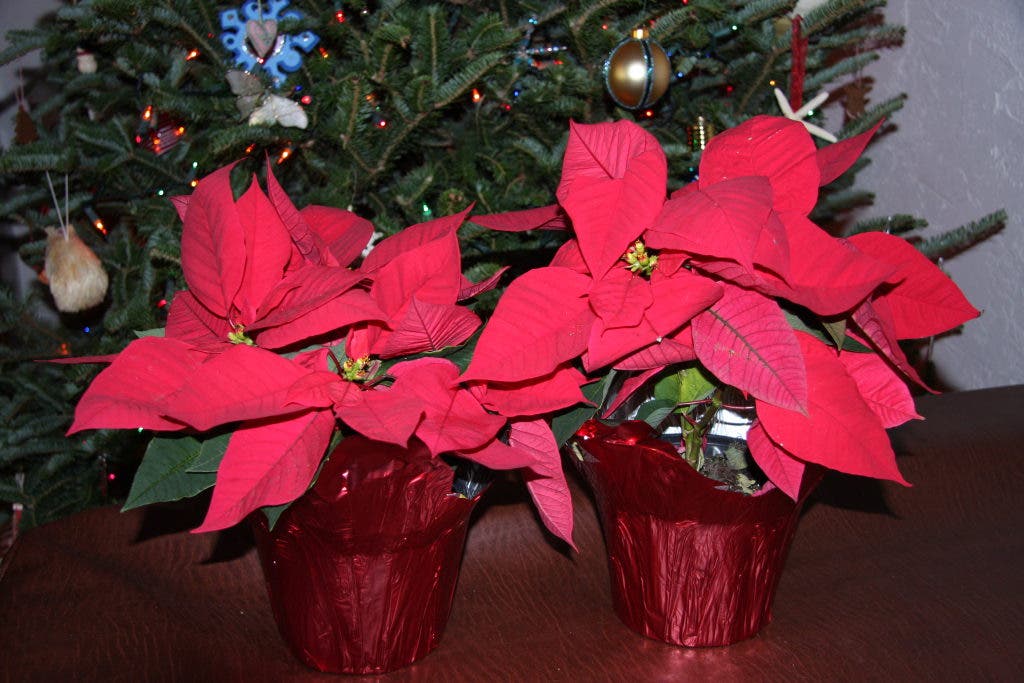
Plants: Though they have a bad reputation, modern poinsettia plants are only mildly toxic as compared to the original native plants. Far more worrisome are holiday bouquets containing lilies, holly or mistletoe. Lilies, including tiger, Asiatic, stargazer, Easter and day lilies, are the most dangerous plants for cats. The ingestion of one to two leaves or flower petals is enough to cause sudden kidney failure in cats. Plant bulb kits are also popular gift items and may include Amaryllis and other lilys and Narcissus from the daffodil family. As noted, the lilies are extremely toxic to cats and daffodil bulbs are toxic to both dogs and cats. Other yuletide plants such as holly berries and mistletoe can also be toxic to pets and should be avoided. The Christmas tree itself is pretty benign although ingestion of large amounts of tree needles can cause stomach upset. If you put any additive into the tree water, please cover that to keep your pets out. Untreated water is not typically a concern. One good resource for plant toxicity concerns is this ASPCA Poison Control Link.
Holiday Ornaments: Holiday decorations such as snow globes or bubble lights may contain poisonous chemicals. If your pet chews on them the liquid inside could be could be dangerous to their health. Methylene chloride, the chemical in bubble lights, can result in depression, aspiration pneumonia and irritation to the eyes, skin and gastrointestinal tract.
Find out what's happening in Palm Harborfor free with the latest updates from Patch.
Tinsel: If you own a cat or young puppy, forgo the tinsel. What looks like a shiny toy to your cat can prove deadly if ingested. Tinsel does not pose a poisoning risk but can cause severe damage to a pet’s intestinal tract if swallowed. Ultimately, the pet faces the risk of severe injury to, or rupture of their intestines, and treatment involves abdominal surgery to remove the offending tinsel.
Antifreeze poisoning: Although we don't worry too much about changing our antifreeze in December in Florida, you may be surprised to discover where this dangerous chemical lurks! Recently, imported snow globes were found to contain antifreeze (ethylene glycol.) As little as one teaspoon of antifreeze when ingested by a cat or a tablespoon or two for a dog (depending on their size), can be fatal. Immediate treatment with an antidote is critical, even if the pet acts fine initially.
Find out what's happening in Palm Harborfor free with the latest updates from Patch.
Holiday lights: These strands of lights can be a tempting item for chewing, especially for puppies and kittens. Be sure to check the cord near the back of the tree to see if they have chewed on it and move any cords out of reach wherever possible. If your pet is suddenly drooling, pawing at their mouth or unable to eat, they may have electrical burns and should be taken to a veterinarian immediately.
Liquid Potpourri: Filling your house with the smell of nutmeg or pine for the holidays may seem inviting, but if you heat your scented oils in a simmer pot, know that they can cause serious harm to your cat; even a few licks can result in severe chemical burns in the mouth, fever, difficulty breathing, and tremors. Dogs aren’t as sensitive, but it’s still better to be safe than sorry, so scent your home with a non-toxic candle (or air freshener) kept safely out of animal’s (and children's) reach.
Holiday Foods: With the holiday season comes a delightful variety of baked goods, chocolate confections and other rich, fattening foods. However, it is not wise (and in some cases is quite dangerous) to share these treats with your pets. Keep your pet on his or her regular diet over the holidays and do not let family and friends sneak in treats.
Foods that can present particular health problems:
- Foods containing grapes, raisins and currants (such as fruit cakes) can result in kidney failure in dogs. Even small amounts can be dangerous!
- Chocolate and cocoa contain theobromine, a chemical that is very toxic to dogs and cats. Ingestion in small amounts can cause vomiting and diarrhea but larger amounts can cause seizures and heart arrhythmias. Dark chocolate is more toxic than milk chocolate, but all forms of chocolate should be avoided!
- Many sugarless gums and candies contain xylitol, a sweetener which is toxic to dogs. It can cause a life-threatening drop in blood sugar and liver failure.
- Leftover, fatty meat scraps can lead to pancreatitis (which can be life-threatening), abdominal pain, vomiting and bloody diarrhea.
May your holidays be filled with joy and hugs to all the fur kids!